Why Silver Shines When Inflation Re-Accelerates


Understanding the Appeal of Silver
In times of economic uncertainty, investors often turn to precious metals as a safe haven. Among these, silver shines particularly bright when inflation re-accelerates. This phenomenon has historical roots and logical underpinnings that make silver an attractive option during such periods.
Silver offers a unique blend of properties: it is both a precious metal and an industrial commodity. This dual nature provides a hedge against inflation while also capitalizing on economic growth. When inflation rises, the purchasing power of currency decreases, and tangible assets like silver tend to appreciate.
The Role of Silver in an Inflationary Environment
Inflation can erode the value of cash and fixed-income investments. However, silver has traditionally been viewed as a store of value. During inflationary periods, the demand for silver often increases as investors seek to protect their wealth.
Several factors contribute to silver's appeal during inflation:
- Intrinsic Value: Silver does not rely on financial institutions or governments, making it a stable investment.
- Limited Supply: The finite nature of silver ensures its value remains relatively stable over time.
- Industrial Demand: As an industrial metal, silver benefits from economic growth, providing an additional layer of security.
Comparing Silver to Gold
While gold is often the go-to metal during economic instability, silver offers several advantages. It is more affordable and accessible, allowing a broader range of investors to participate. Furthermore, silver's industrial applications create additional demand, unlike gold, which is primarily a store of value.
Silver's price movements can be more volatile than gold's, but this volatility also presents opportunities for higher returns. Investors willing to navigate these fluctuations can potentially benefit from significant gains.
Strategies for Investing in Silver
When considering silver as an investment during inflationary times, several strategies can be employed:
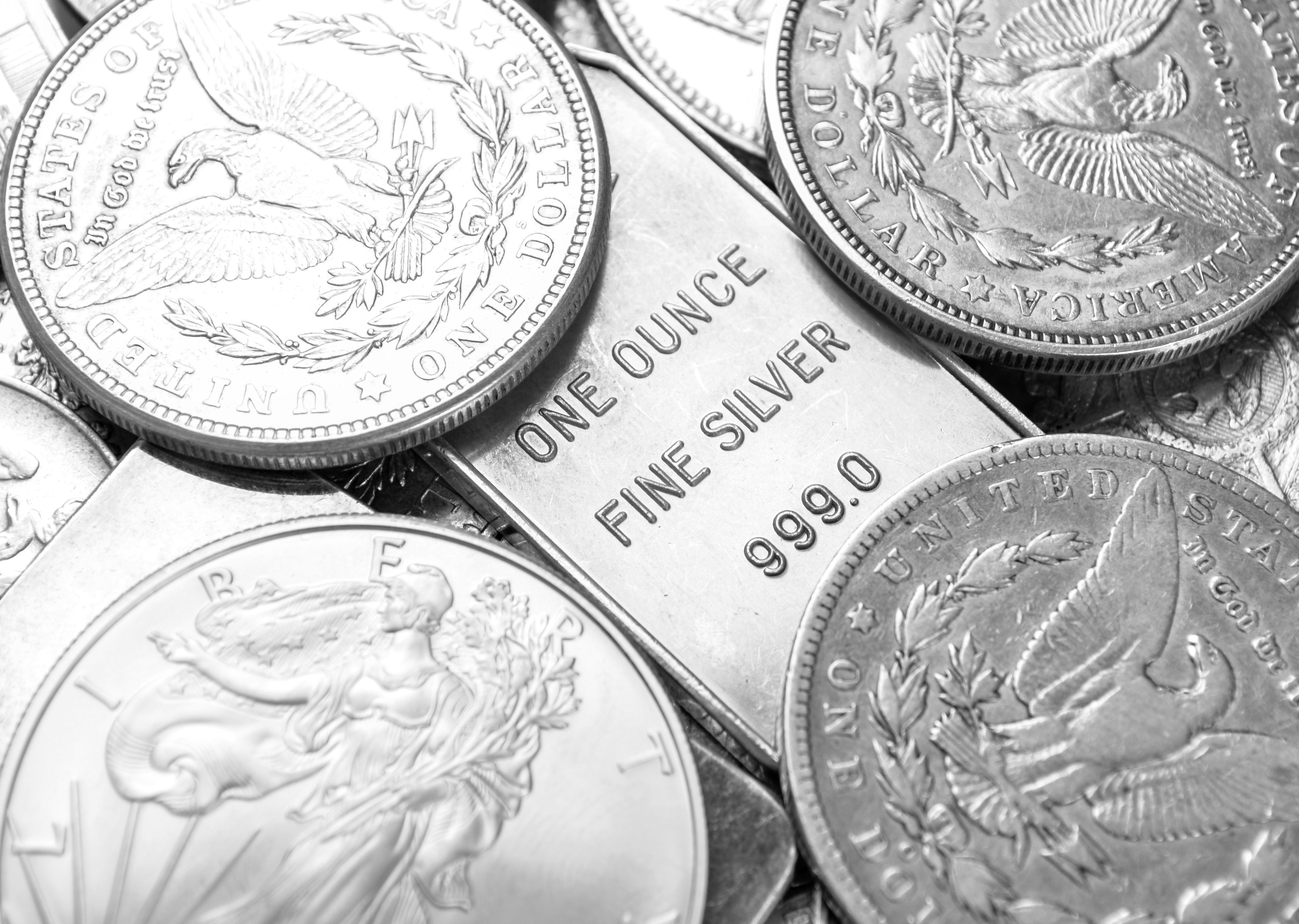
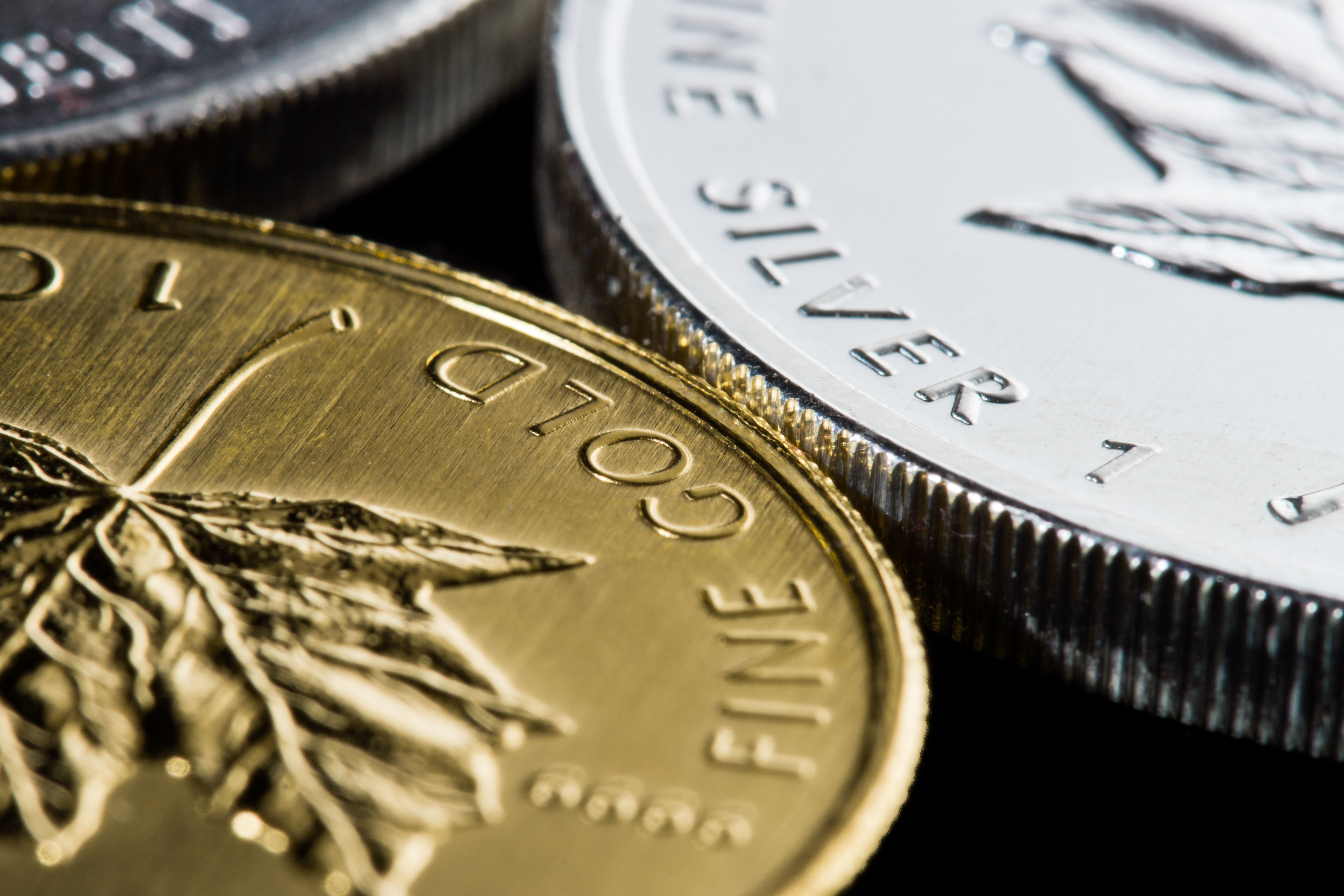
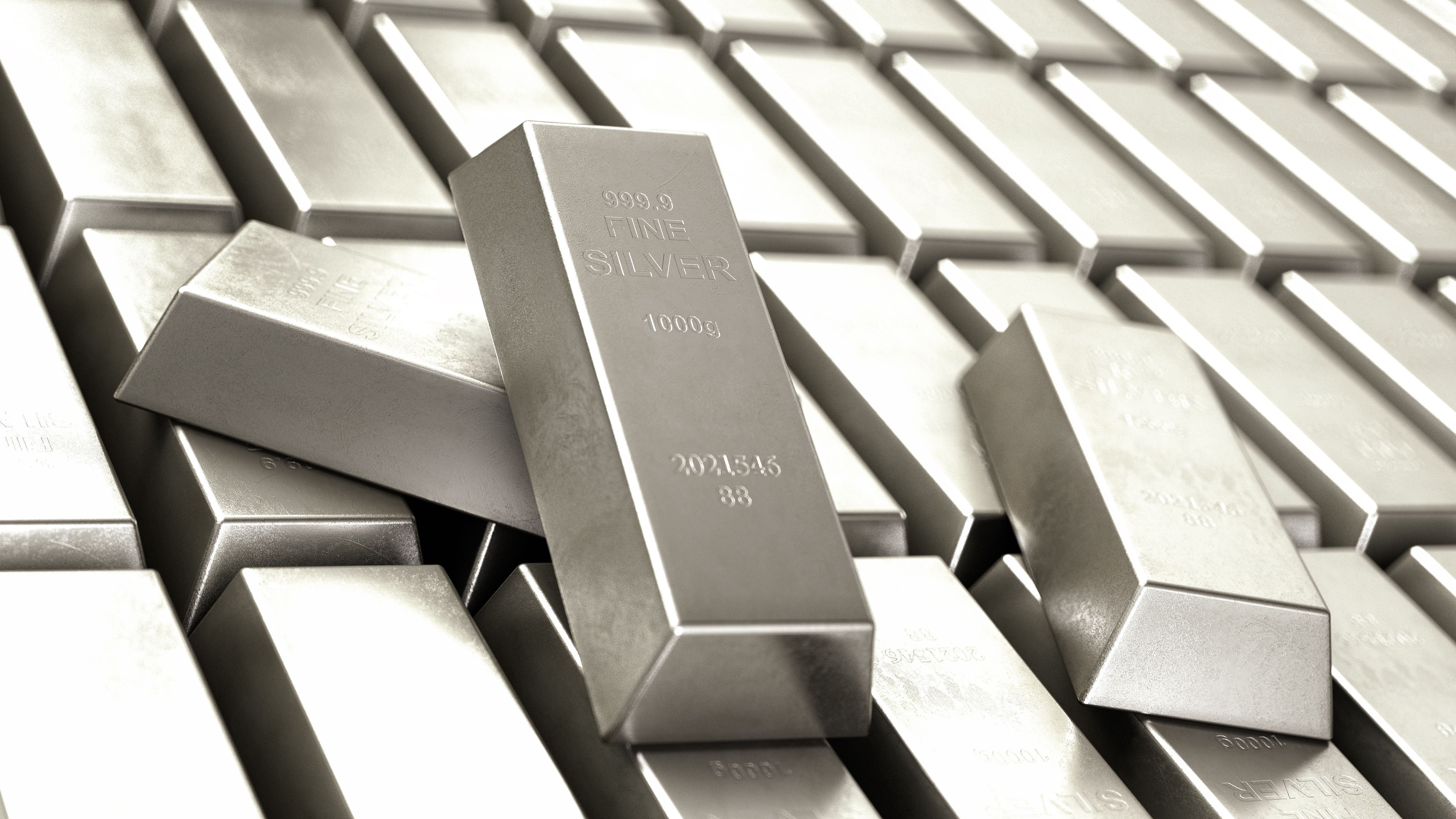
- Physical Silver: Owning physical silver in the form of coins or bars provides direct exposure and can be a tangible asset to hold.
- Silver ETFs: Exchange-traded funds offer a convenient way to invest in silver without the need for physical storage.
- Mining Stocks: Investing in companies that mine silver can be a way to leverage silver's price movements, though it introduces additional risks.
The Long-Term Outlook for Silver
Looking ahead, silver's role in various industries, including technology and renewable energy, suggests continued demand. As economies strive for sustainability, silver's use in solar panels and electronics could support its value even if inflation stabilizes.
In conclusion, silver's unique attributes make it a compelling choice for investors looking to hedge against inflation. Its historical performance, combined with its industrial applications, positions it as a versatile asset in a diversified portfolio.
By understanding the dynamics of silver in an inflationary environment, investors can make informed decisions that align with their financial goals and risk tolerance. Whether through physical ownership or financial instruments, silver offers a beacon of stability in uncertain economic times.