Why Investors Turn to Metals During Housing Market Bubbles


Understanding Housing Market Bubbles
Housing market bubbles occur when the prices of real estate rise rapidly, driven by speculative demand rather than fundamental value. This unsustainable growth eventually leads to a sharp decline, causing significant financial repercussions. During such volatile times, investors often seek refuge in more stable assets.
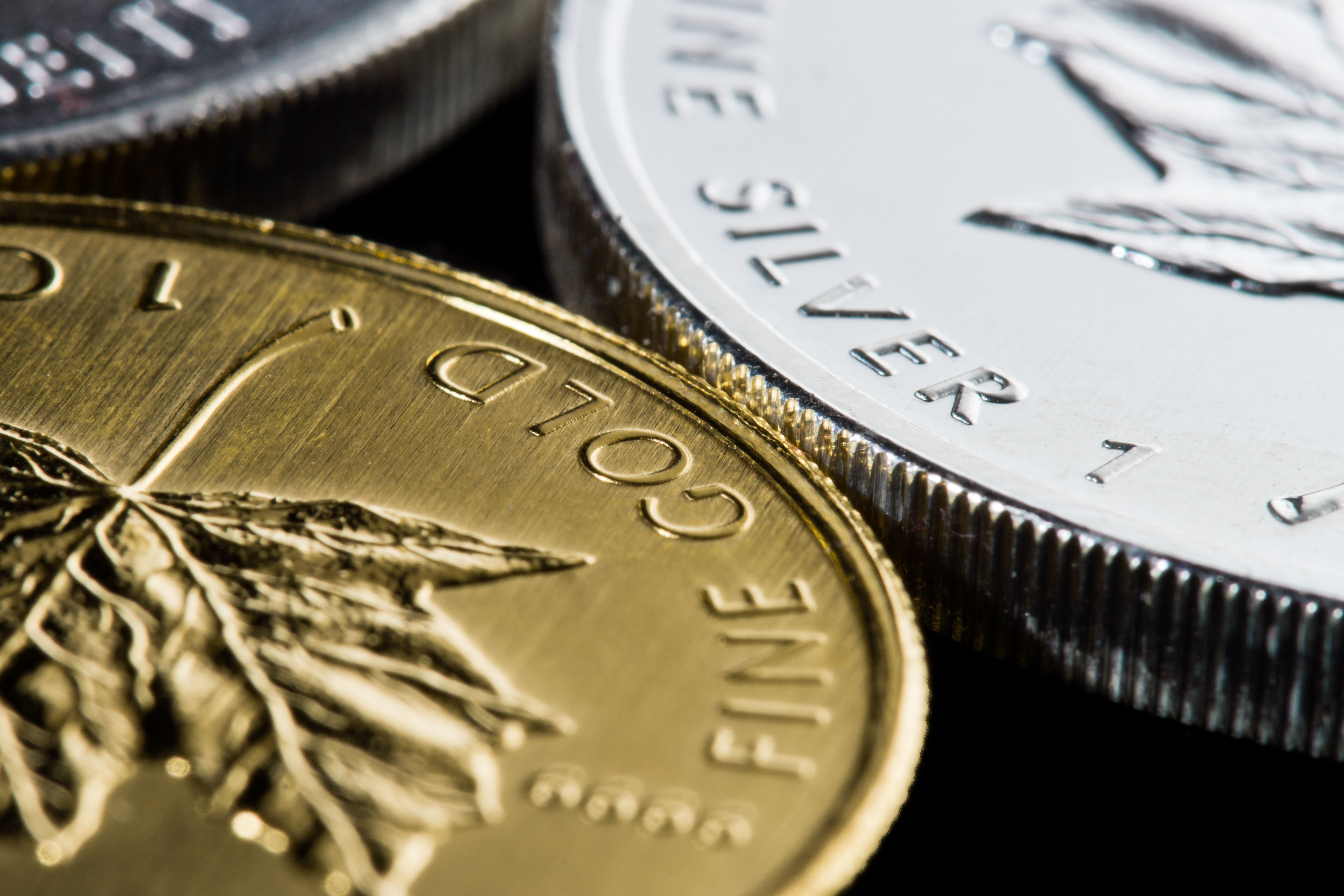
One such asset class that gains attention during these periods is metals. Precious metals like gold and silver have long been considered safe havens due to their intrinsic value and historical resilience in economic downturns.
The Appeal of Precious Metals
Precious metals offer a unique blend of benefits that make them attractive to investors facing housing market bubbles. One of the primary reasons is their ability to retain value. Unlike paper currencies or real estate, metals have an inherent value that doesn’t diminish over time.
Additionally, metals are highly liquid assets. They can be easily bought and sold in various forms across global markets, offering investors flexibility and security. This liquidity ensures that investors can quickly access their funds if needed, without the risk of significant devaluation.

Diversification and Risk Management
Investing in metals provides diversification to an investment portfolio. During a housing market bubble, the correlation between real estate and other financial assets can increase, leading to a higher risk of simultaneous declines. Metals, on the other hand, often move independently of these markets, helping to balance the portfolio.
Moreover, metals act as a hedge against inflation. When currency values decline due to inflationary pressures, the price of precious metals typically rises, preserving purchasing power. This characteristic makes them a vital component of a risk management strategy.
Historical Performance
Historically, metals have performed well during periods of economic instability. For example, during the 2008 financial crisis, both gold and silver saw substantial price increases as investors fled to safer assets. This pattern of performance reinforces their reputation as reliable investments during uncertain times.
Market Accessibility
The market for precious metals is more accessible than ever. Investors can choose from a variety of purchasing methods, including physical bars and coins, exchange-traded funds (ETFs), and mining stocks. Each option offers different levels of risk and convenience, catering to a broad range of investment strategies.
Furthermore, technological advancements have made it easier to track and trade metals online, providing investors with real-time data and enhanced transparency.
Conclusion
As housing market bubbles create uncertain economic landscapes, the appeal of precious metals as a stable investment grows. Their ability to preserve value, provide liquidity, and enhance portfolio diversification makes them an attractive option for investors seeking to safeguard their wealth.
While no investment is without risk, incorporating metals into a diversified portfolio can offer a level of security and peace of mind that is particularly valuable during turbulent financial times.