Understanding the Metals Supply Chain: Its Impact on Your IRA Value


Introduction to the Metals Supply Chain
The metals supply chain is a crucial component of the global economy, influencing various sectors from construction to technology. As an investor, understanding this supply chain can provide insights into how it affects the value of your Individual Retirement Account (IRA). Changes in supply and demand, geopolitical factors, and technological advancements all play a role in shaping metal prices and, consequently, the value of related investments.
Key Components of the Metals Supply Chain
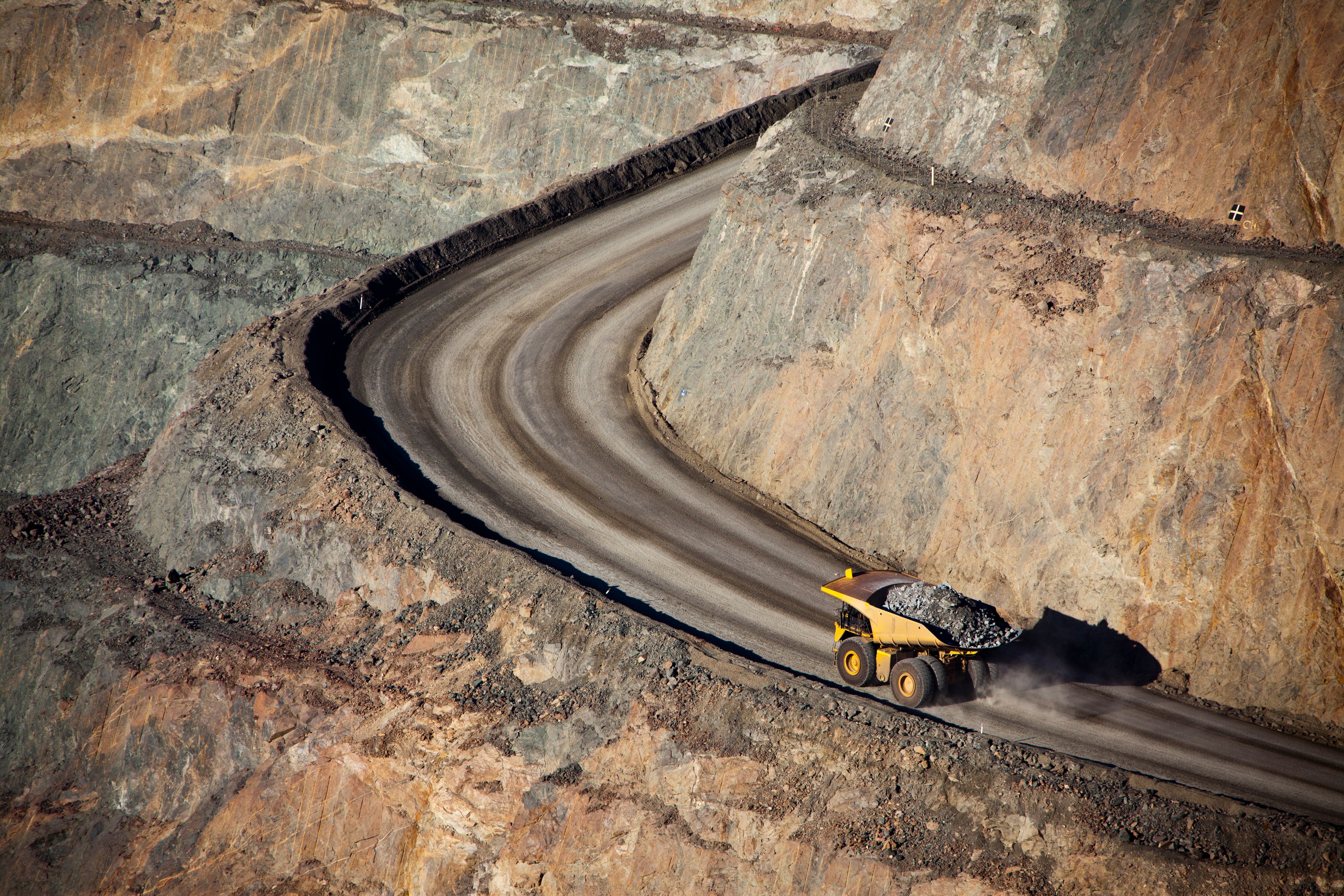
The supply chain for metals is complex and involves several stages. It begins with mining and extraction, where raw materials are sourced from the earth. This is followed by refining and processing, where metals are purified and formed into usable products. The final stages include distribution and sales to various industries and consumers.
Each stage of this process can impact metal prices. For instance, disruptions in mining operations due to environmental regulations or political unrest in a region can lead to supply shortages, driving prices up. Conversely, technological advancements in mining or processing can increase supply, potentially lowering prices.
Factors Influencing Metal Prices
Several factors influence the price of metals, which in turn affects the value of your IRA investments. One significant factor is the global demand for metals. Economic growth in major markets like China and India can lead to increased demand, pushing prices higher. On the other hand, economic slowdowns can reduce demand and cause prices to fall.
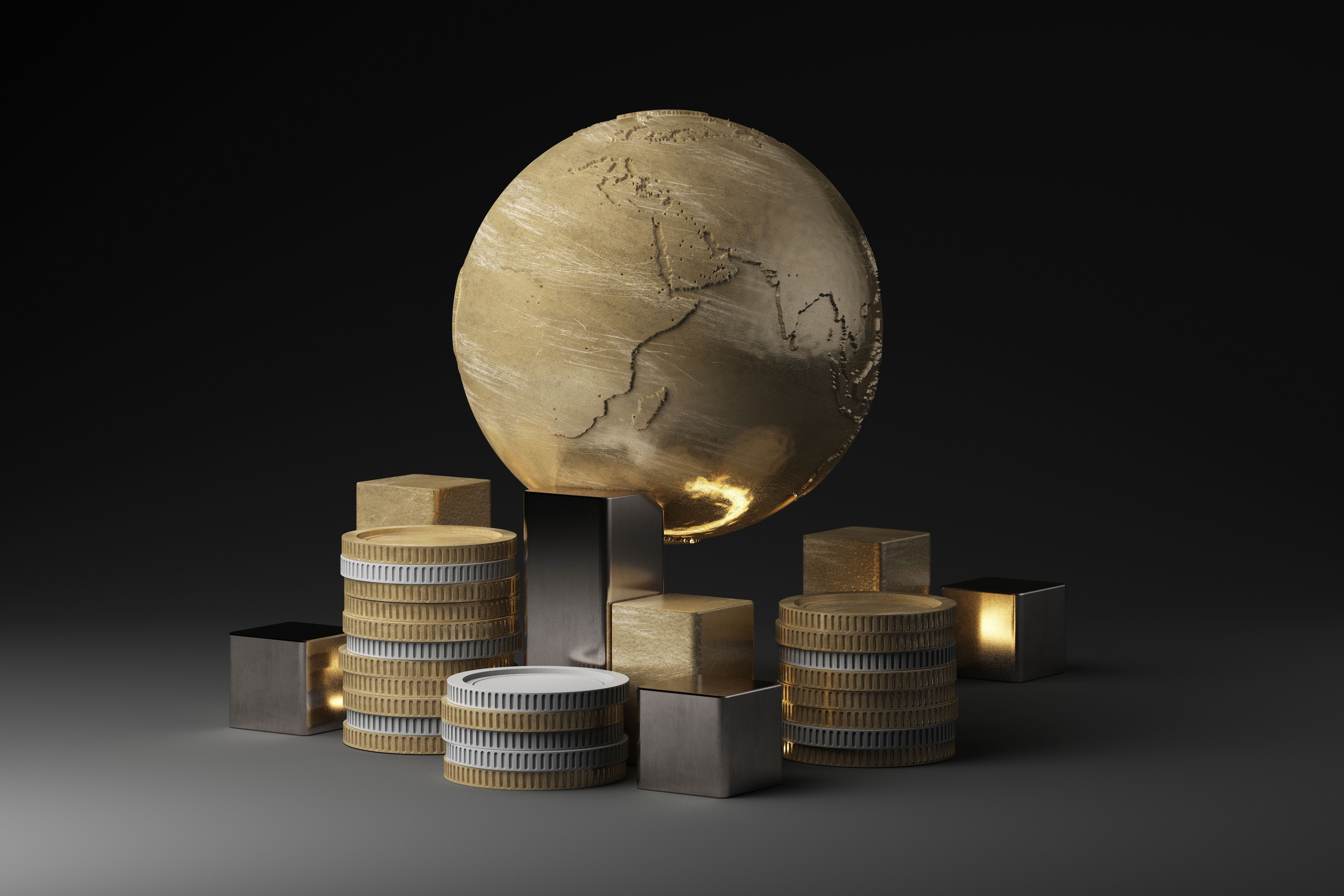
Another factor is the strength of the US dollar. Metals are typically traded in dollars, so a stronger dollar can make metals more expensive for foreign buyers, reducing demand and prices. Conversely, a weaker dollar can boost demand and prices.
Impact on IRA Investments
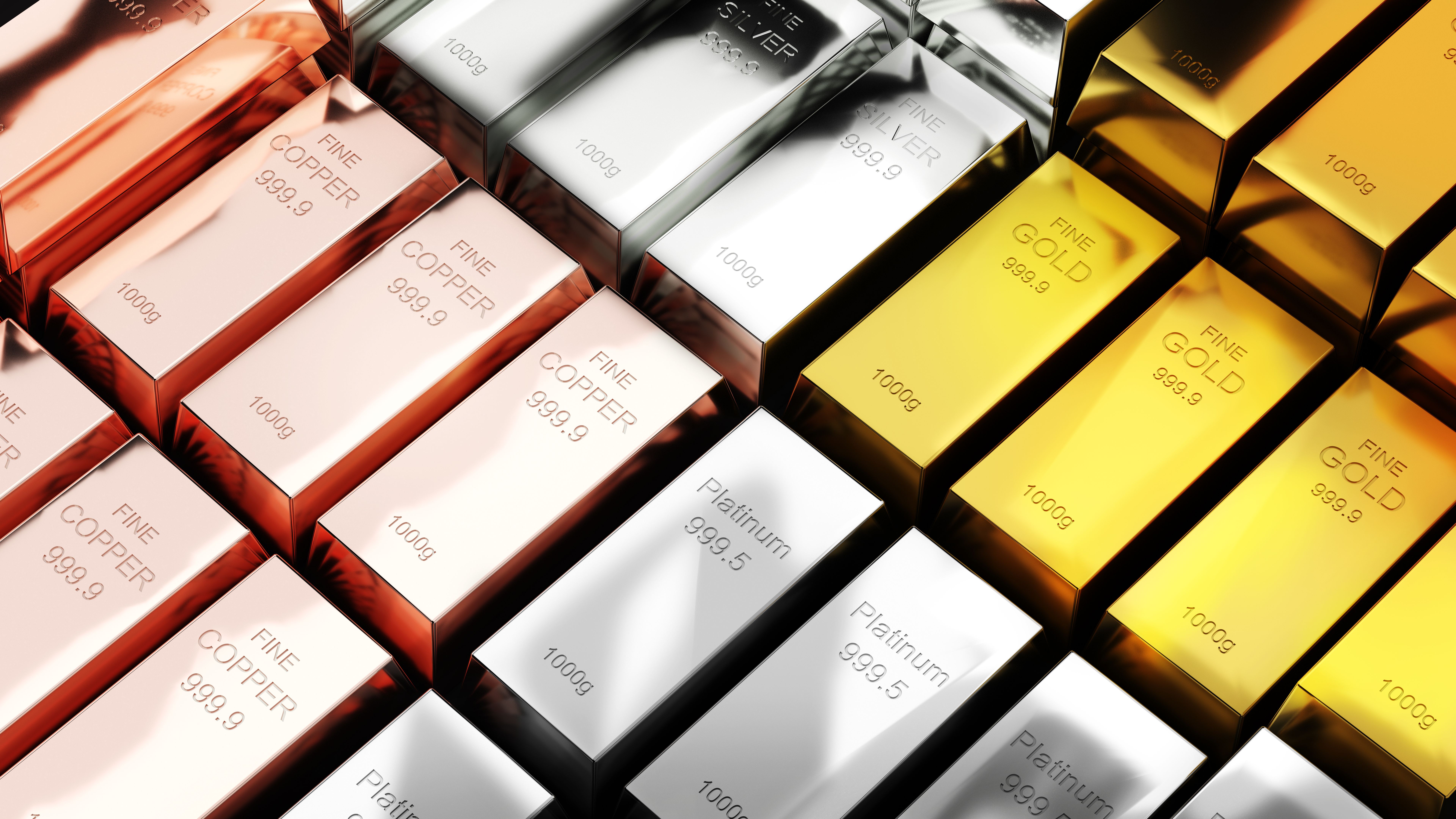
Investments in metals can be a part of a diversified IRA portfolio. Metals like gold, silver, platinum, and palladium are often seen as safe-haven assets, providing a hedge against inflation and currency fluctuations. The value of these investments can be directly influenced by changes in metal prices, which are in turn affected by the supply chain dynamics.
For instance, if there is a supply shortage due to geopolitical tensions in a mining region, metal prices may rise, increasing the value of related investments in your IRA. Conversely, an oversupply or a decrease in demand could lead to lower prices and reduced investment value.
Strategies for Managing Risk
To manage the risks associated with investing in metals, consider diversifying your portfolio across different asset classes. This can help mitigate the impact of volatility in metal prices. Additionally, staying informed about global economic trends and supply chain developments can provide valuable insights for making informed investment decisions.
Working with a financial advisor experienced in commodity markets can also be beneficial. They can help you understand the nuances of the metals market and guide you in aligning your investment strategy with your financial goals.
Conclusion
The metals supply chain plays a significant role in determining the value of metal-related investments in your IRA. By understanding the factors that influence metal prices and how they affect your portfolio, you can make more informed investment decisions. Whether you're looking to protect your assets against inflation or seeking to capitalize on global economic trends, having a clear view of the metals supply chain is essential for maximizing your IRA's potential value.