Understanding the Link Between Oil and Gold Prices


Understanding the Link Between Oil and Gold Prices
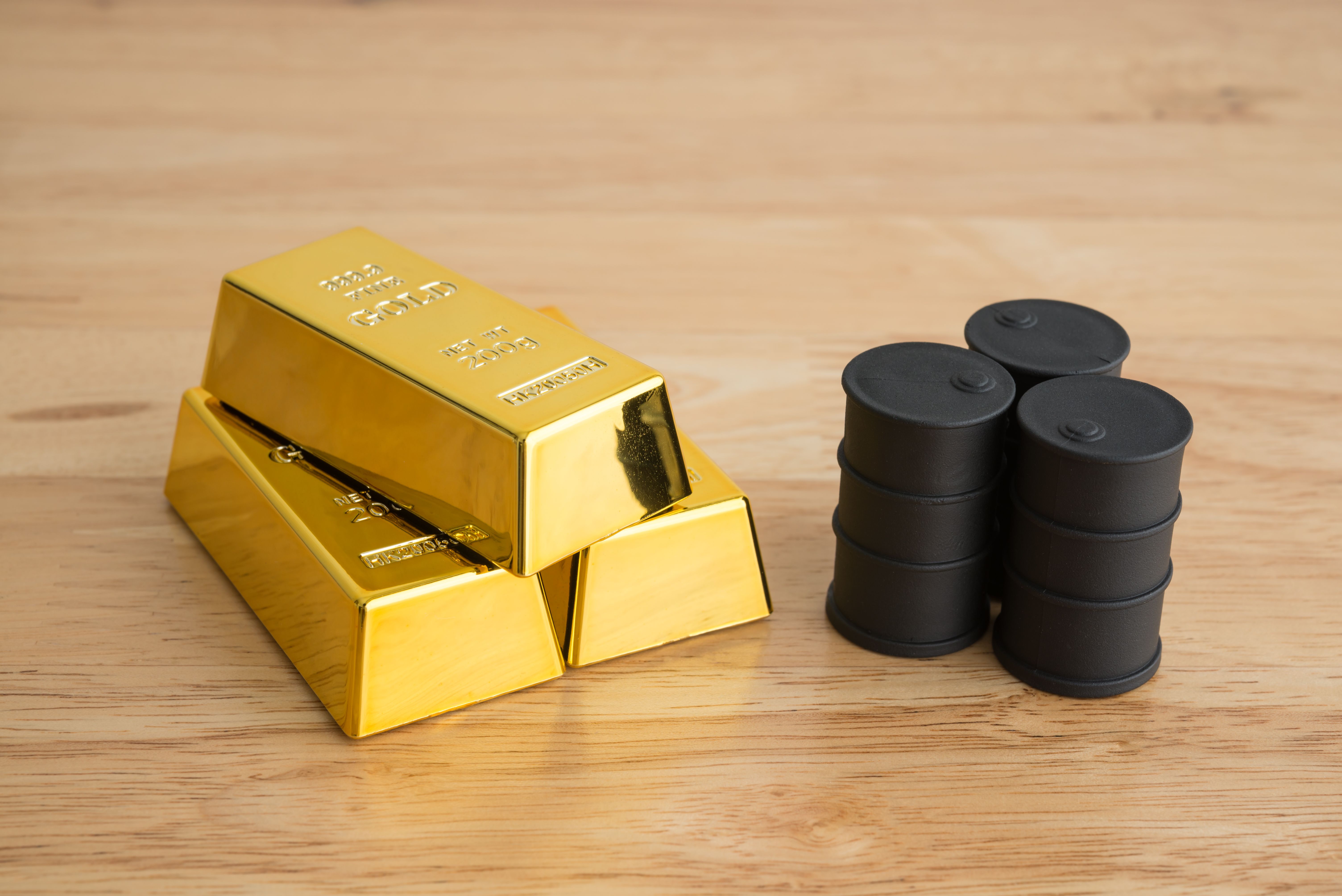
Oil and gold are two of the most crucial commodities in the global market, each playing a significant role in shaping economies and influencing investment strategies. Understanding the relationship between their prices can provide valuable insights for investors, policymakers, and businesses. While these commodities might seem unrelated at first glance, several factors intertwine their market values.
Supply and Demand Dynamics
The prices of both oil and gold are deeply affected by supply and demand dynamics. Oil prices are primarily driven by the production levels of major oil-producing countries and the global demand for energy. Similarly, gold prices fluctuate based on mining output and the demand for gold in jewelry and investment sectors. Changes in supply or demand for one commodity can indirectly affect the other, especially in economies heavily reliant on these resources.
For instance, a surge in oil prices can lead to increased transportation and manufacturing costs, potentially affecting gold mining operations and the overall supply. Conversely, a decline in gold prices might impact the economic stability of mining regions, influencing their oil consumption patterns.
Inflation and Currency Movements
Both oil and gold are sensitive to changes in inflation and currency values. Oil is often priced in U.S. dollars, so a strong dollar can make oil more expensive for other countries, reducing demand and lowering prices. Gold, on the other hand, is viewed as a hedge against inflation and currency devaluation, which can increase its attractiveness during economic instability.
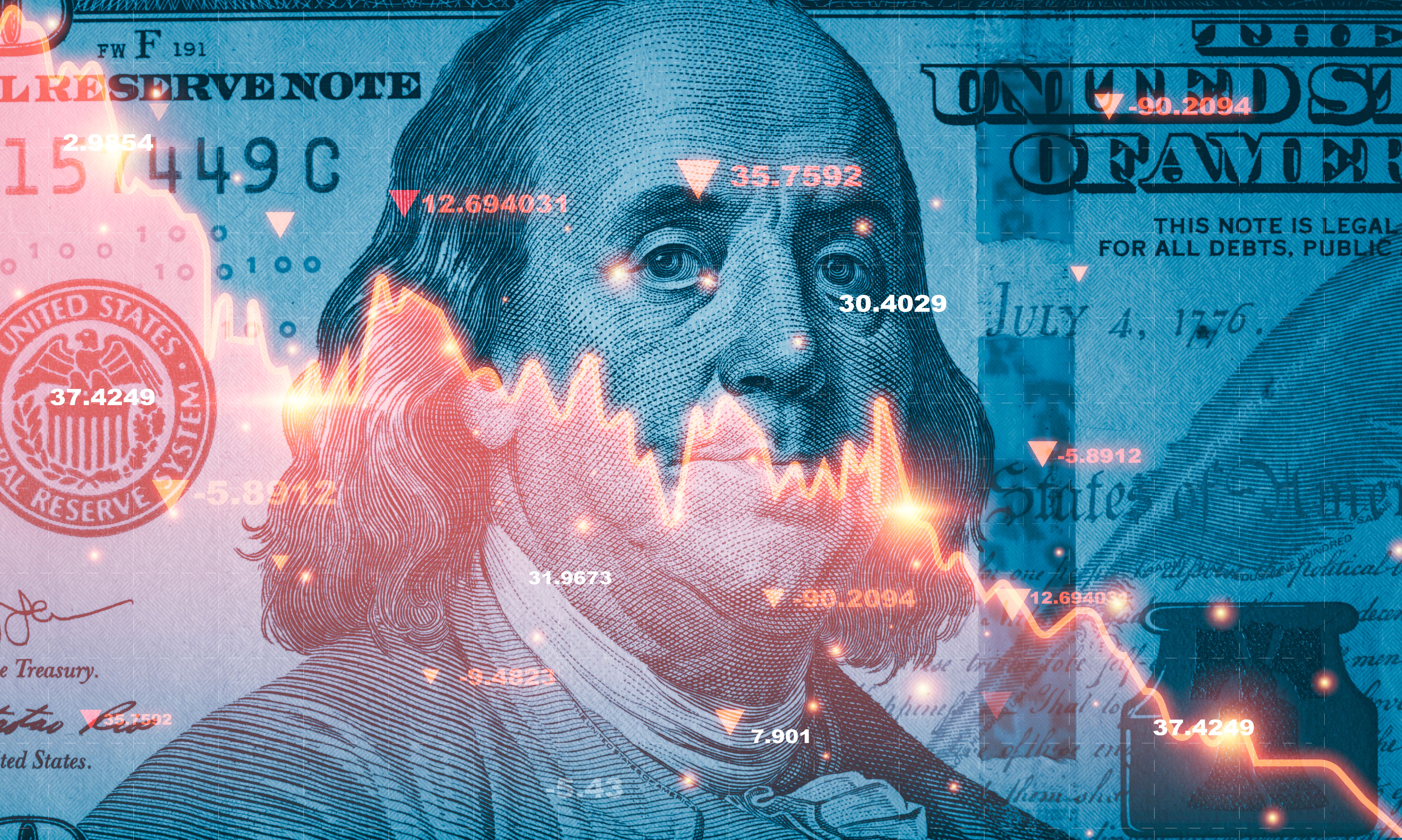
When inflation rises, central banks may increase interest rates to stabilize the economy. This action can strengthen a currency, impacting oil prices while simultaneously making gold more appealing to investors looking to preserve wealth.
Geopolitical Tensions
Geopolitical tensions can significantly influence the prices of oil and gold. Conflicts or political instability in oil-rich regions can lead to supply disruptions, causing oil prices to spike. Such events often increase the demand for gold as a safe-haven asset, driving up its price.
Investors closely monitor geopolitical developments, as these can create opportunities or risks in the commodities market. A heightened level of uncertainty can lead to simultaneous increases in both oil and gold prices, reflecting their interconnected nature.
Market Speculation and Investor Behavior
Market speculation also plays a crucial role in the pricing of oil and gold. Traders and investors often react to news, forecasts, and economic indicators, leading to price volatility. Speculative activities can amplify price movements, creating opportunities for profit but also increasing risk.
Investor behavior is influenced by perceptions of future economic conditions. If investors anticipate economic growth, they may invest more in oil, expecting higher demand. Conversely, during times of financial uncertainty, they might turn to gold as a safe investment, impacting its price.
Conclusion
Understanding the link between oil and gold prices requires a comprehensive view of various economic, geopolitical, and market factors. While they operate in different markets, the interconnectedness of these commodities through inflation, supply and demand, and geopolitical events highlights the complexity of global economics. For investors and businesses, keeping an eye on these dynamics can provide strategic advantages in navigating the volatile commodities market.