Understanding the Importance of Precious Metals in Today's Economy


Introduction to Precious Metals
Precious metals like gold, silver, and platinum have been valued for centuries, playing a crucial role in economies worldwide. Their intrinsic value and rarity make them a reliable store of wealth, especially in times of economic uncertainty. Understanding their importance in today's economy is essential for investors and financial enthusiasts alike.
The Historical Significance of Precious Metals
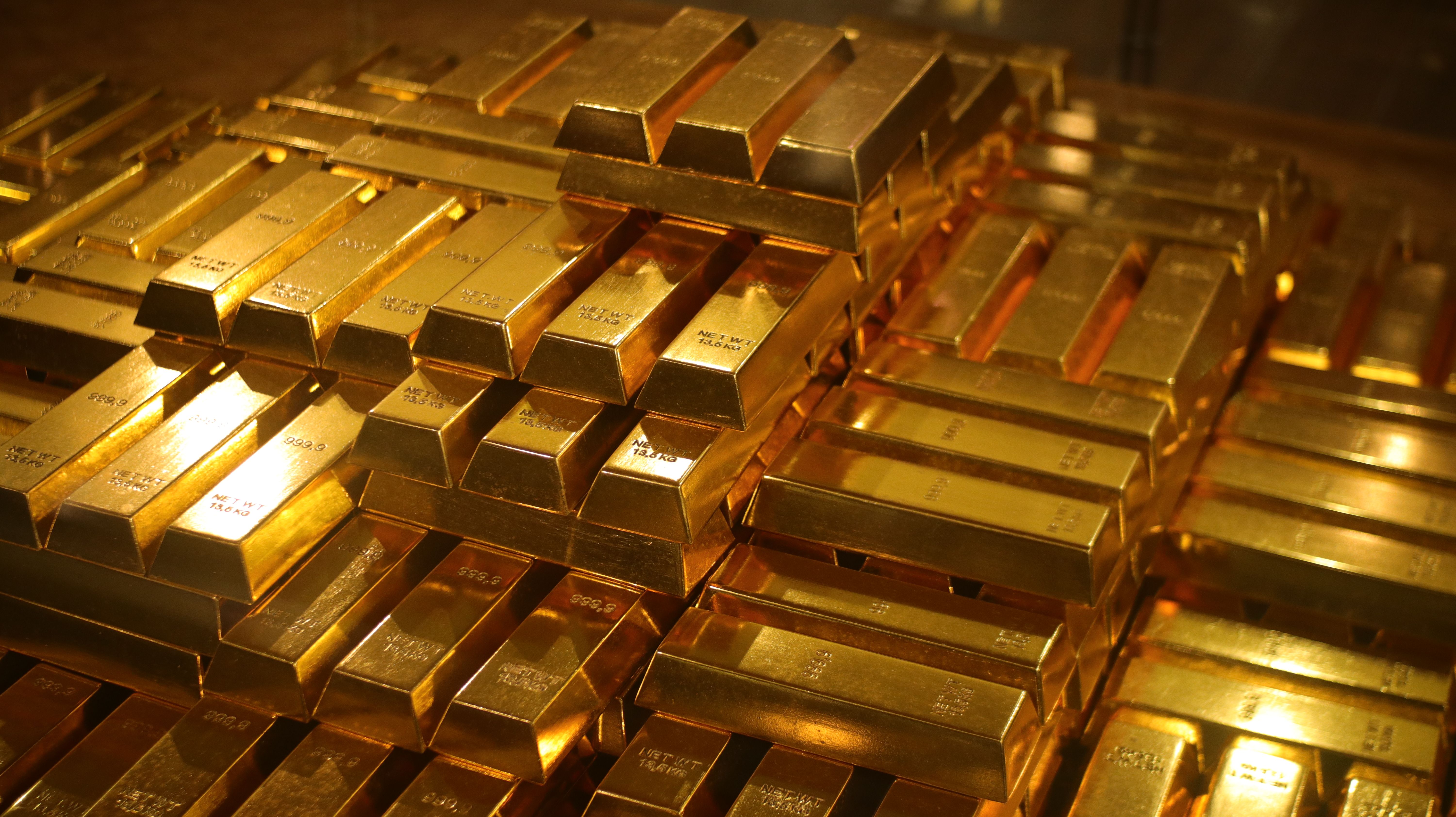
Historically, precious metals have been used as currency and a standard for monetary systems. Gold and silver coins were once the backbone of global trade. This long-standing history underpins their continued relevance, as they provide a stable hedge against inflation and currency fluctuations.
Many central banks still hold large reserves of gold as part of their financial strategy, reinforcing its status as a safe-haven asset. This strategic reserve acts as a protective buffer, maintaining economic stability during turbulent times.
Precious Metals as Investment
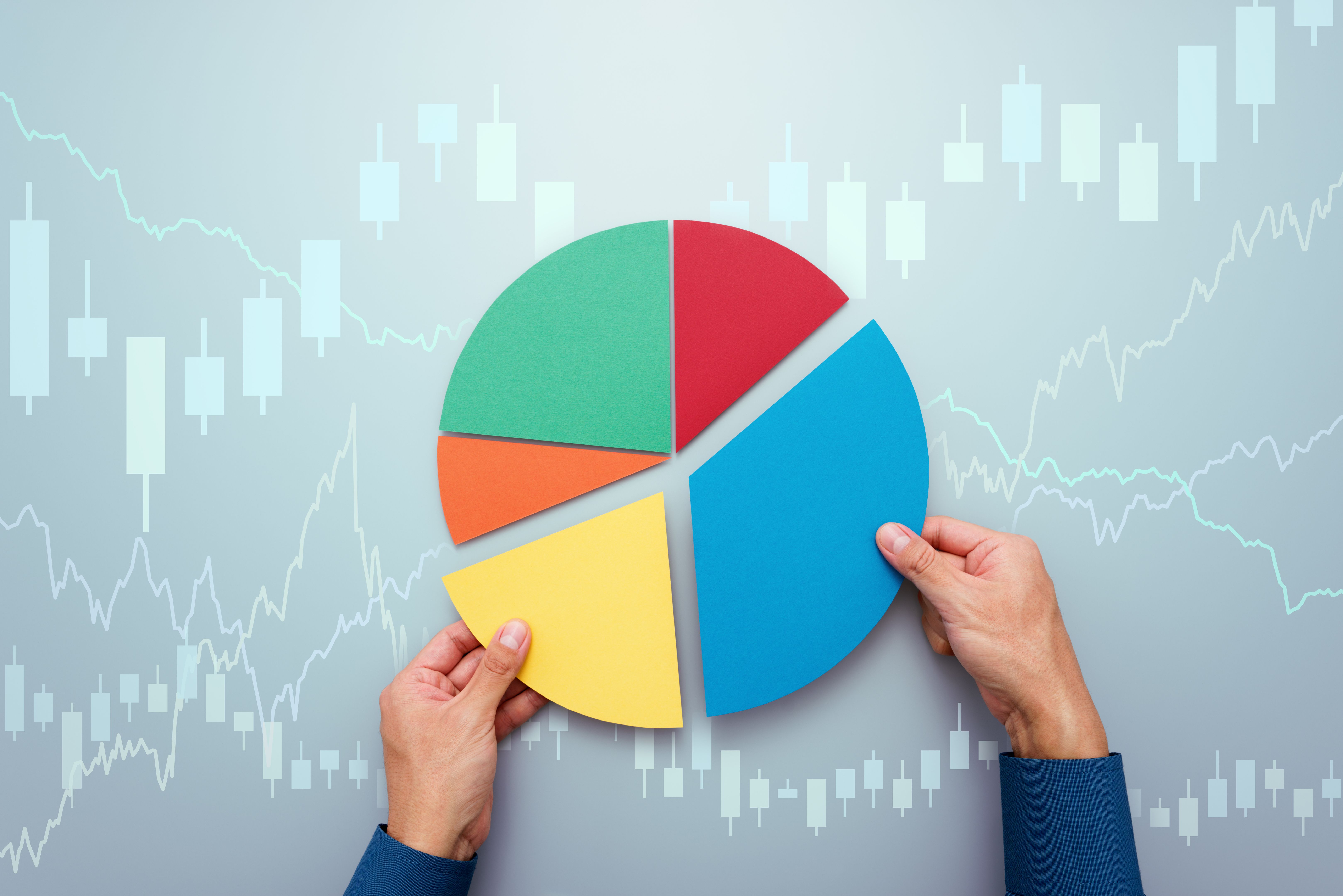
Investing in precious metals offers diversification for any portfolio. Unlike stocks and bonds, which can be volatile, precious metals often retain or increase in value during economic downturns. This characteristic makes them an attractive option for risk-averse investors.
Factors Influencing Precious Metal Prices
Multiple factors can influence the price of precious metals. These include geopolitical tensions, inflation rates, and currency strength. For instance, when a country's currency weakens, the demand for gold typically rises as people seek more stable assets.
Supply and demand dynamics also play a significant role. Mining production, technological advancements, and industrial use can all impact the availability and price of these metals.
Industrial and Technological Applications
Beyond investment, precious metals are vital in various industries. Silver, for example, is used in electronics, solar panels, and medical devices due to its excellent conductivity and antibacterial properties. Platinum is crucial in automotive catalytic converters, helping reduce emissions.
Environmental and Ethical Considerations
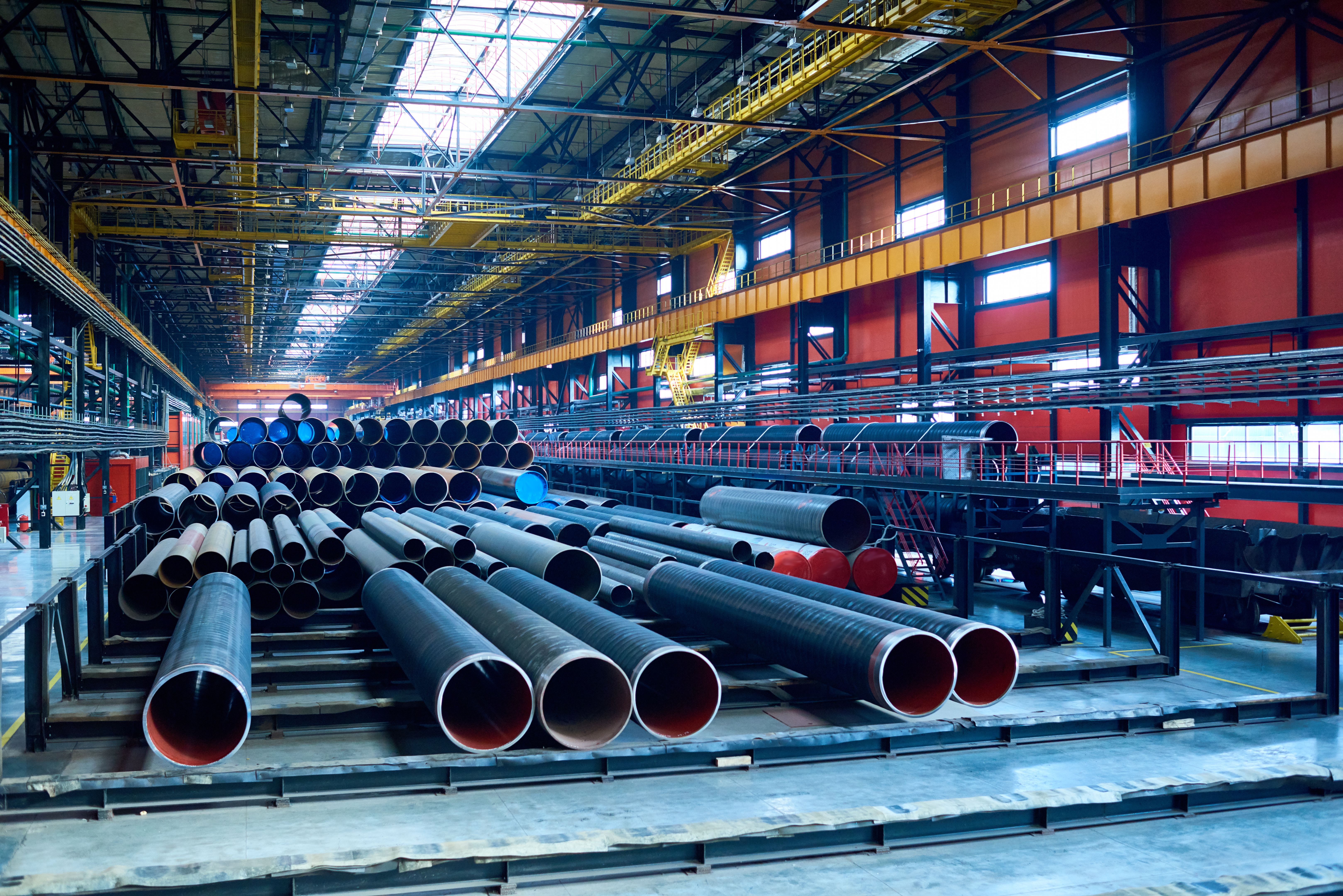
While precious metals offer numerous benefits, their extraction has environmental and ethical implications. Mining can lead to habitat destruction, pollution, and human rights concerns. Sustainable practices and recycling are increasingly important to mitigate these effects.
Investors are now more inclined to consider the environmental and ethical impact of their investments, prompting industries to adopt greener practices and improve transparency.
Conclusion
Understanding the importance of precious metals in today's economy involves recognizing their historical significance, investment potential, industrial applications, and environmental impact. As global economic conditions fluctuate, these metals will likely continue to play a pivotal role in financial strategies and industrial advancements.