Understanding the Impact of a Physical Silver Shortage


The Basics of Silver Supply and Demand
Silver is a precious metal that plays a crucial role in various industries, from electronics to jewelry. The supply of silver is primarily determined by mining activities, while demand is influenced by both industrial use and investment. Understanding the dynamics between supply and demand is essential to comprehend the potential impact of a physical silver shortage.
In recent years, the demand for silver has been rising steadily, driven by technological advancements and increased investment interest. Meanwhile, the supply has not kept pace, leading to concerns about potential shortages in the market.
Factors Contributing to a Silver Shortage
Declining Mine Production
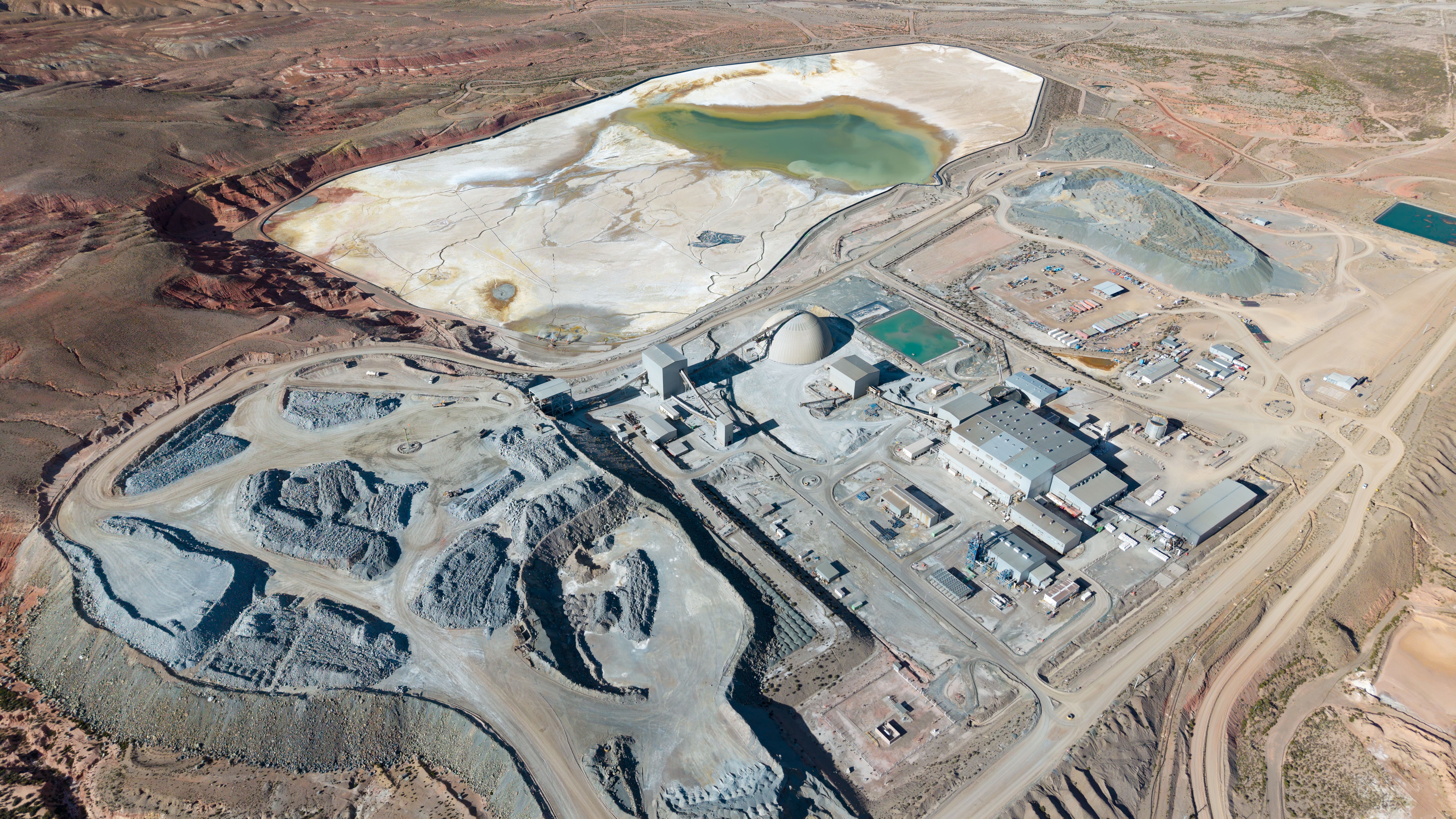
One significant factor contributing to a potential silver shortage is declining mine production. Many of the world's silver mines are aging, and the rate of new discoveries has slowed. This decline in production can lead to a gap between supply and demand.
Rising Industrial Demand
Silver's unique properties make it indispensable in various industries, including electronics, solar energy, and medical applications. As these industries grow, so does their demand for silver. This rising industrial demand is a major driver behind the concerns of a shortage.
Economic and Market Implications
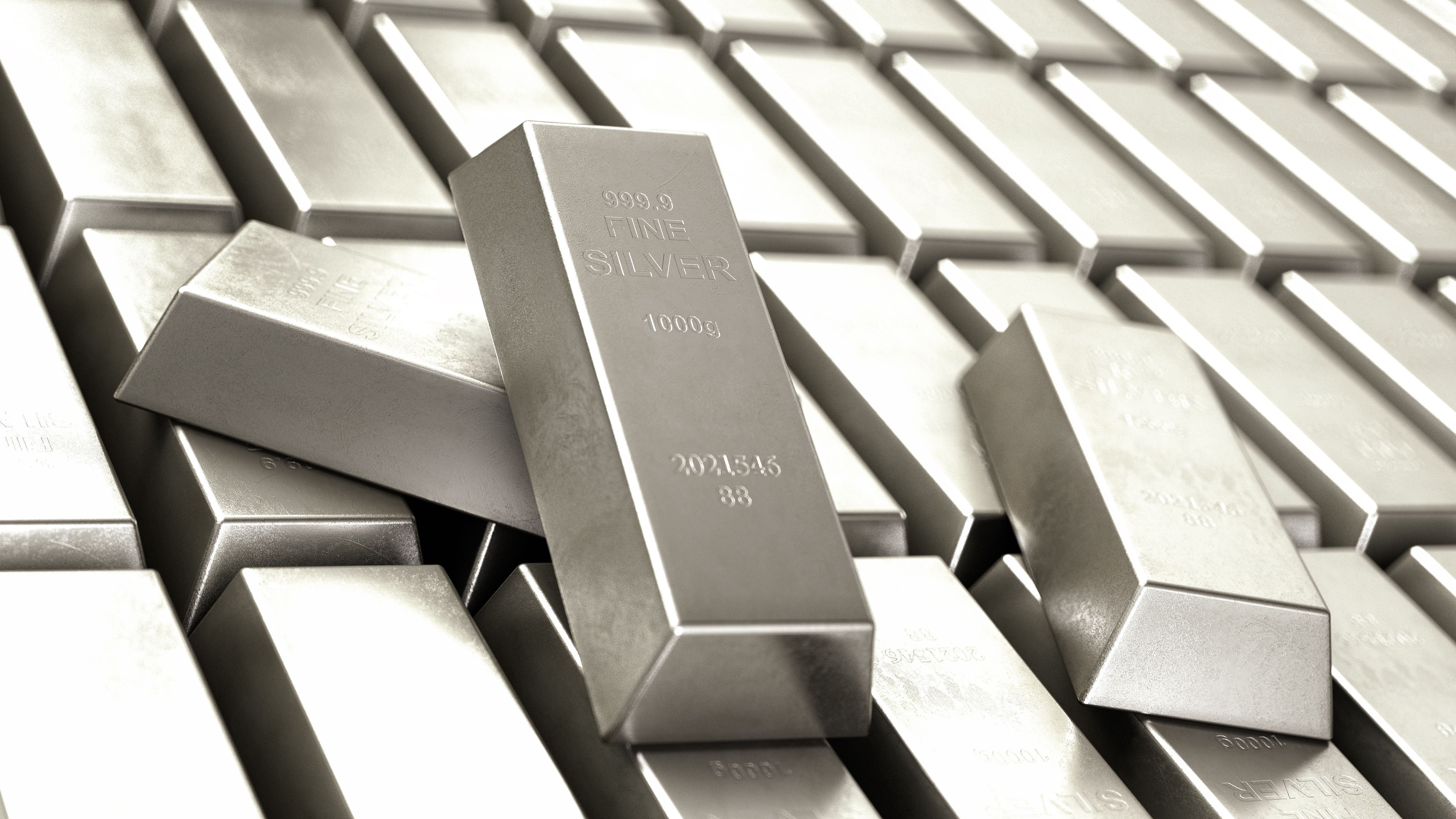
A physical silver shortage can have significant economic implications. For one, it can lead to increased prices, affecting both consumers and manufacturers. Industries that rely heavily on silver may experience higher production costs, which can be passed on to consumers in the form of higher prices for goods and services.
Moreover, a shortage can also impact investors. Silver is often seen as a safe-haven asset, and a shortage could drive increased investment interest, further pushing up prices. This can create a feedback loop, where increased investment demand exacerbates the shortage.
Strategies for Mitigating Shortage Risks
To mitigate the risks associated with a physical silver shortage, industries and investors can consider several strategies. For industries, improving recycling processes can help recover silver from used products, reducing reliance on new supply.
Investors, on the other hand, may consider diversifying their portfolios to include other precious metals or alternative investments. This strategy can help reduce exposure to the volatility that a silver shortage might cause.
The Role of Government and Policy
Governments can play a crucial role in addressing potential silver shortages. By investing in mining technology and encouraging exploration, they can help increase the supply of silver. Additionally, policies that promote recycling and sustainable use of resources can also contribute to alleviating shortage concerns.
International cooperation may also be necessary to ensure a stable supply of silver, as the metal is a globally traded commodity. Collaborative efforts can help balance supply and demand on a global scale.
Conclusion
Understanding the impact of a physical silver shortage requires a comprehensive look at both the supply and demand dynamics of the market. With rising industrial demand and declining production, the potential for a shortage is a real concern. However, through strategic planning and policy interventions, the risks can be managed effectively.
Whether you're an investor, a manufacturer, or simply interested in the market, staying informed about these dynamics is crucial. As the market evolves, keeping an eye on silver's supply and demand will be essential for making informed decisions.