Understanding the Divide: Paper Silver vs. Physical Silver


Introduction to Silver Investment
Investing in silver has long been a popular choice for diversifying portfolios and hedging against inflation. However, when considering silver investments, it's essential to understand the difference between paper silver and physical silver.
What is Paper Silver?
Paper silver refers to silver investments that exist in the form of financial instruments. These include exchange-traded funds (ETFs), futures contracts, and other derivatives. Investors don't own the actual metal but rather a claim or a promise of its equivalent value.
Advantages of Paper Silver
There are several advantages to investing in paper silver:
- Liquidity: Paper silver can be easily bought and sold on financial markets.
- Convenience: No need to store or insure physical silver.
- Flexibility: Enables investors to trade in smaller denominations.

Understanding Physical Silver
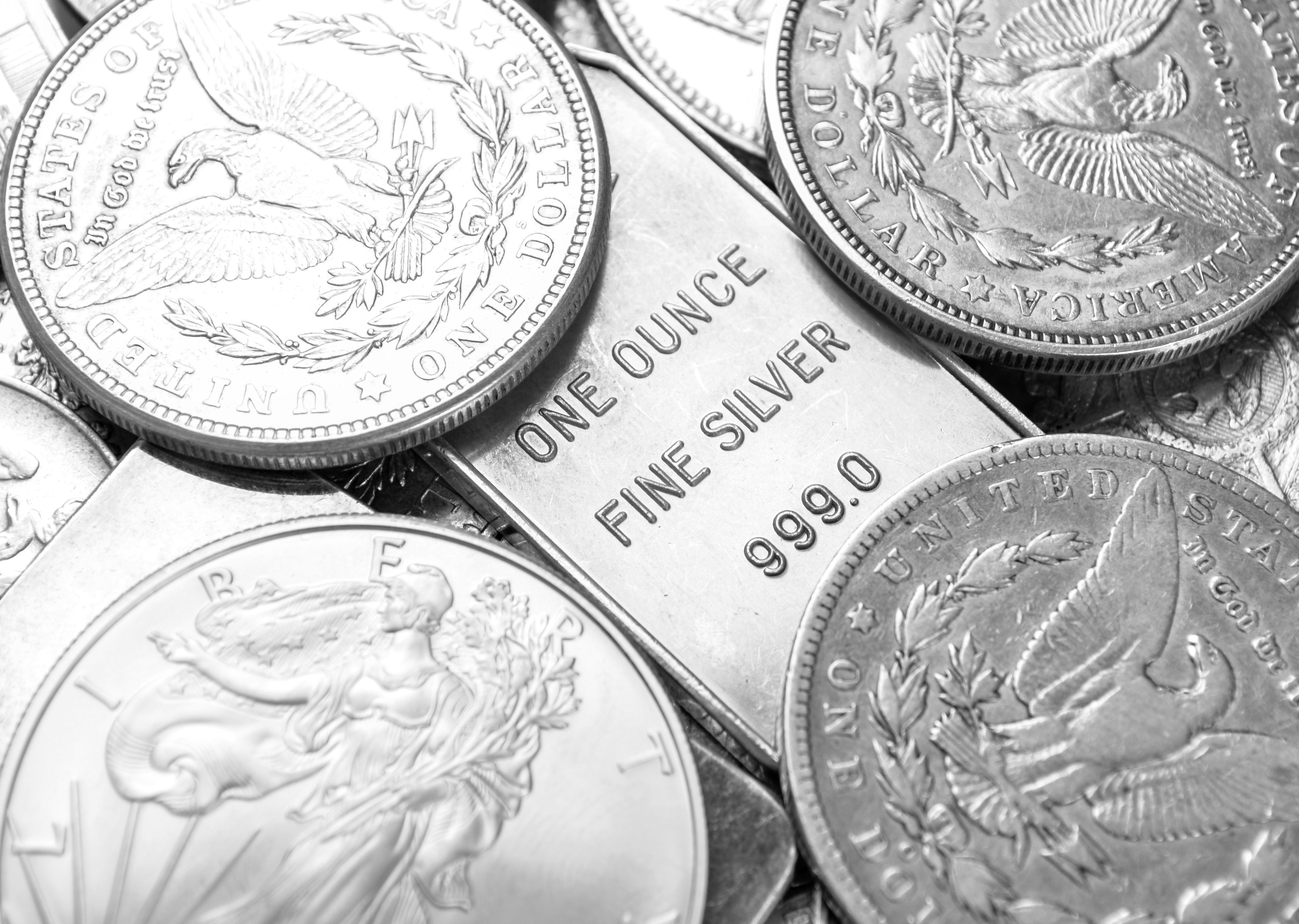
Physical silver refers to tangible silver in the form of coins, bars, or bullion. This type of investment means you own the actual metal and can store it in a safe or deposit box.
Benefits of Physical Silver
Owning physical silver comes with its own set of benefits:
- Tangible Asset: Provides a sense of security as you hold the actual metal.
- No Counterparty Risk: Physical ownership means no reliance on a third party's promise.
- Historical Value: Long-standing value retention and appeal.
Comparing Paper Silver and Physical Silver
When deciding between paper and physical silver, consider the following factors:
- Investment Goals: Determine if you're looking for short-term gains or long-term stability.
- Risk Tolerance: Understand your comfort level with market volatility and potential counterparty risks.
- Storage and Security: Evaluate your ability to securely store physical silver.
Conclusion
Both paper and physical silver offer unique advantages and potential drawbacks. By understanding the differences, investors can make informed decisions that align with their financial goals. Whether you opt for the convenience of paper silver or the tangible assurance of physical silver, both can play a valuable role in a diversified investment strategy.