Understanding Market Forces and Their Impact on Precious Metals


Understanding the dynamics of market forces is crucial for anyone involved in the investment and trading of precious metals. These forces can significantly influence prices, making it essential for investors to stay informed and strategic.
Supply and Demand
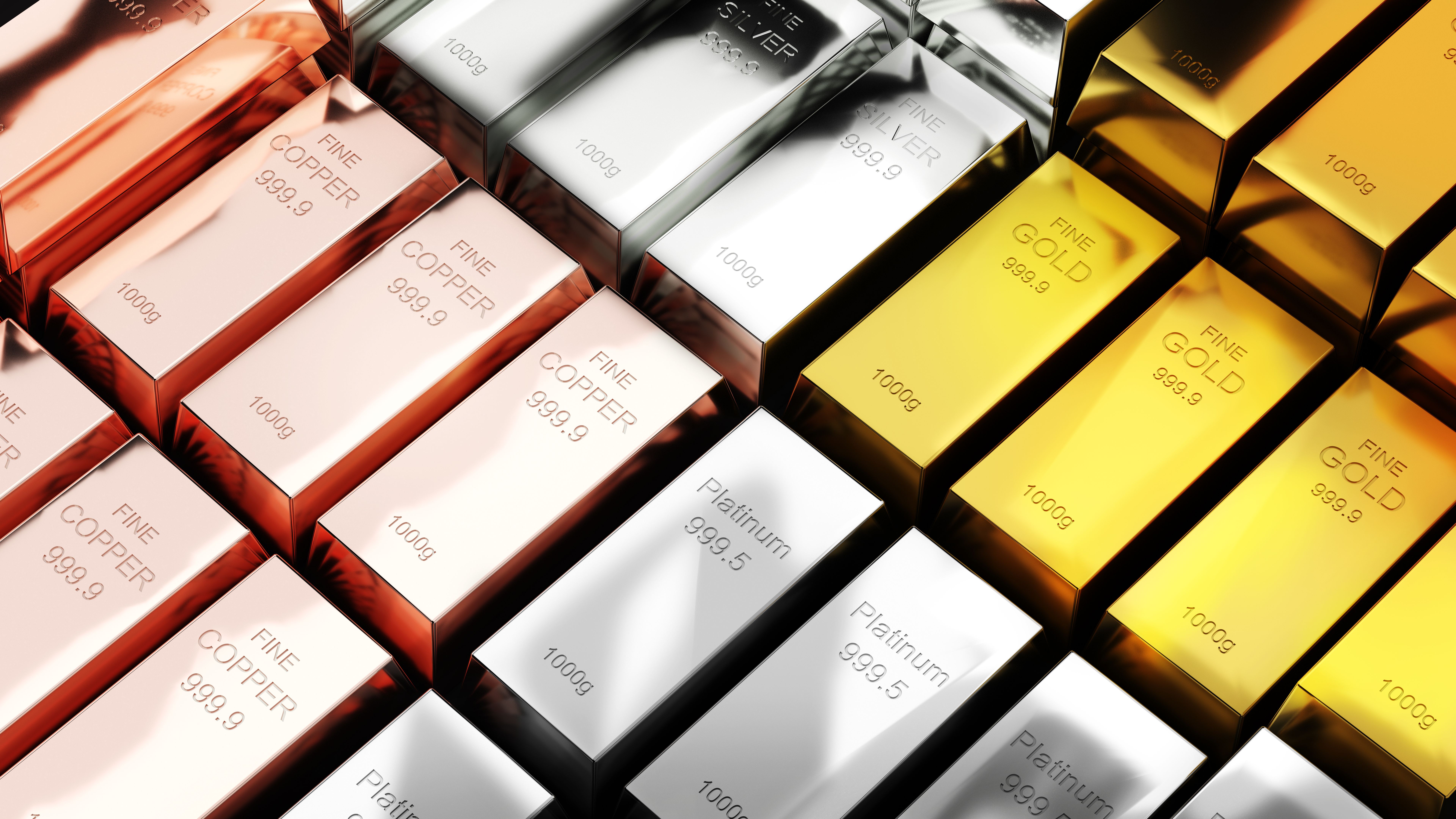
The basic economic principle of supply and demand plays a pivotal role in determining the value of precious metals. When demand for metals like gold, silver, or platinum increases and supply remains constant, prices tend to rise. Conversely, if supply increases significantly without a corresponding increase in demand, prices may drop.
Factors such as mining activities, production costs, and technological advancements can affect supply. On the demand side, investor interest, industrial usage, and jewelry manufacturing are key drivers.
Global Economic Conditions
Global economic health is another critical factor impacting precious metal prices. In times of economic uncertainty or inflation, investors often turn to precious metals as a safe haven, driving up demand and prices. Conversely, when the economy is stable and thriving, the appeal of these metals may diminish.
Economic indicators such as GDP growth, employment rates, and interest rates are closely monitored by investors to gauge potential impacts on precious metal markets.
Currency Fluctuations
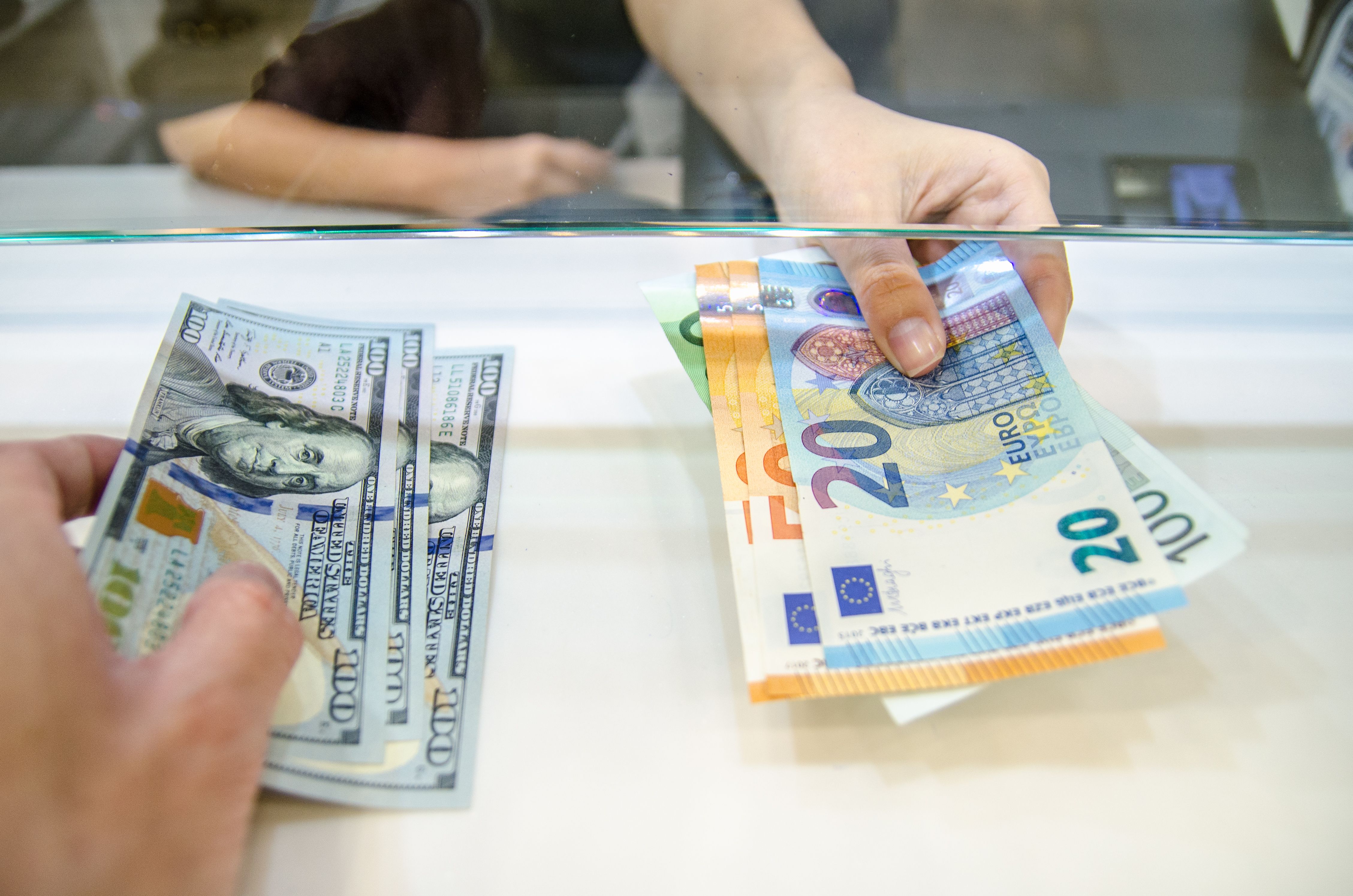
Currency values, particularly the US dollar, have a direct impact on precious metal prices. Since these metals are often priced in dollars, a stronger dollar can make them more expensive for foreign investors, potentially reducing demand. Conversely, a weaker dollar can make metals more attractive.
Geopolitical Events
Geopolitical tensions and events can create uncertainty in global markets, often leading to increased demand for precious metals. Situations like political unrest, wars, or trade disputes can drive investors towards metals as a means of preserving wealth.
This flight to safety can lead to sudden spikes in precious metal prices, reflecting the market's response to perceived risks.
Technological and Industrial Demand
The role of technology and industry in driving demand for precious metals cannot be overlooked. For instance, silver is widely used in electronics and solar panels, while platinum is essential in catalytic converters for vehicles.
As technology evolves and industries grow, the demand for these metals can increase, influencing their market value. Investors should keep an eye on emerging technologies that may impact demand.
Conclusion
Understanding the multifaceted market forces that impact precious metals is essential for making informed investment decisions. By staying abreast of supply and demand dynamics, economic conditions, geopolitical events, and technological advancements, investors can better navigate the complexities of the precious metals market.
Ultimately, a well-rounded approach that considers these factors can help investors capitalize on opportunities and mitigate risks in this ever-evolving market.