Understanding Global Trade: The Effects of Tariffs and Policies


Introduction to Global Trade
Global trade involves the exchange of goods and services across international borders. It is a complex system influenced by various factors, including tariffs and policies that can significantly impact economies worldwide. Understanding these elements is crucial for businesses and policymakers alike.
What Are Tariffs?
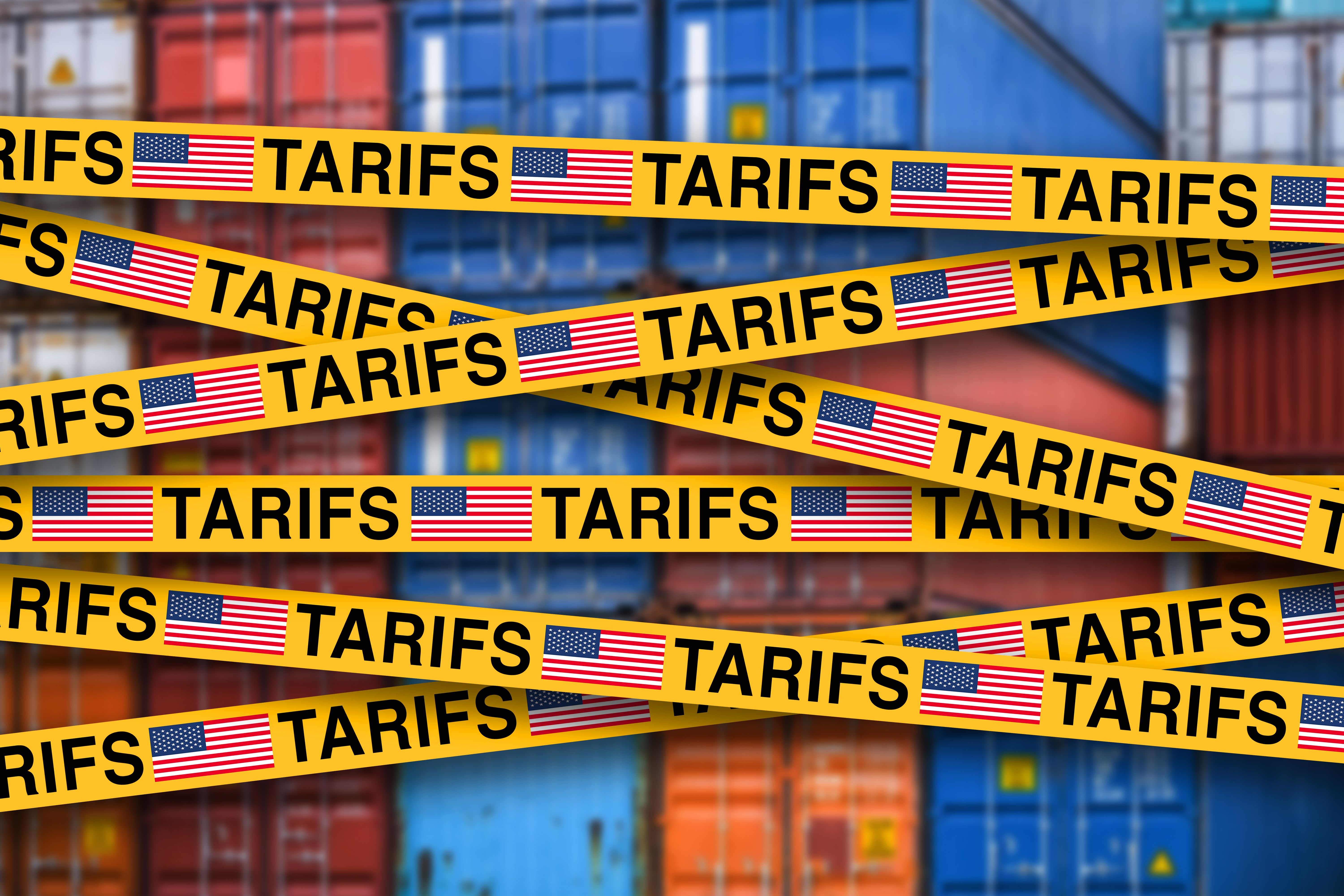
Tariffs are taxes imposed on imported goods and services. Governments use them to control the flow of foreign products into their markets, protecting local industries and generating revenue. The effects of tariffs on trade can vary, often leading to higher prices for consumers and strained relations between trading partners.
Effects of Tariffs on Global Trade
Tariffs can lead to a reduction in trade volume as they make foreign goods more expensive. This can benefit domestic producers by reducing competition but can also harm consumers who face higher prices. Additionally, tariffs can lead to trade wars, where countries retaliate against each other's trade barriers, further complicating international relations.
The Role of Trade Policies
Trade policies are regulations and agreements that govern international trade. They include tariffs, trade agreements, and quotas, all designed to promote or restrict trade to achieve specific economic goals. These policies can shape the global trade landscape by influencing market access and competitiveness.
Trade Agreements
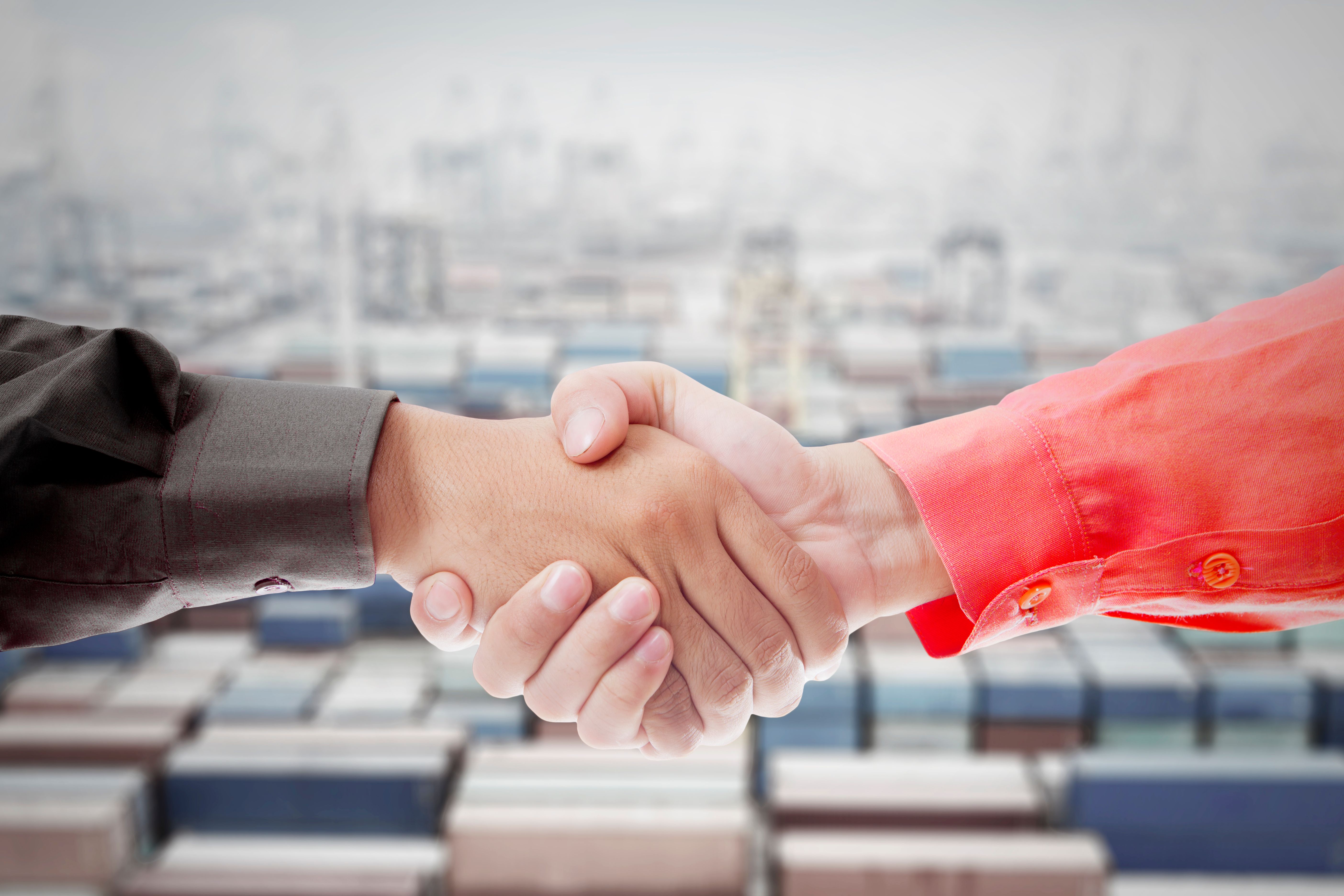
Trade agreements between countries aim to reduce trade barriers and facilitate smoother exchanges. They can take the form of bilateral or multilateral agreements, like the North American Free Trade Agreement (NAFTA) or the European Union (EU). These agreements often lead to increased trade and economic growth by creating more opportunities for businesses.
Impact of Protectionism
Protectionism refers to policies that restrict imports to protect domestic industries. While it can safeguard local jobs, it often leads to inefficiencies and higher costs for consumers. Protectionist policies can also result in retaliatory measures from other nations, disrupting global trade dynamics.
Conclusion
Understanding the effects of tariffs and trade policies is essential for navigating the complexities of global trade. While these tools can protect domestic interests, they must be balanced with the benefits of free trade to ensure a thriving global economy. Businesses and policymakers must stay informed and adaptable to the ever-changing trade landscape.