Understanding De-Dollarization: Impacts on Your Savings


Understanding De-Dollarization: Impacts on Your Savings
In recent years, the term de-dollarization has gained traction in global economic discussions. It refers to the process of countries reducing their reliance on the US dollar for international trade and finance. This shift can have significant implications for your personal savings, as well as the global economy.
De-dollarization is driven by several factors, including geopolitical shifts, economic sanctions, and the desire for financial independence. Countries like China and Russia have been at the forefront of this movement, seeking to diminish their reliance on the dollar by increasing the use of their own currencies or other alternatives.
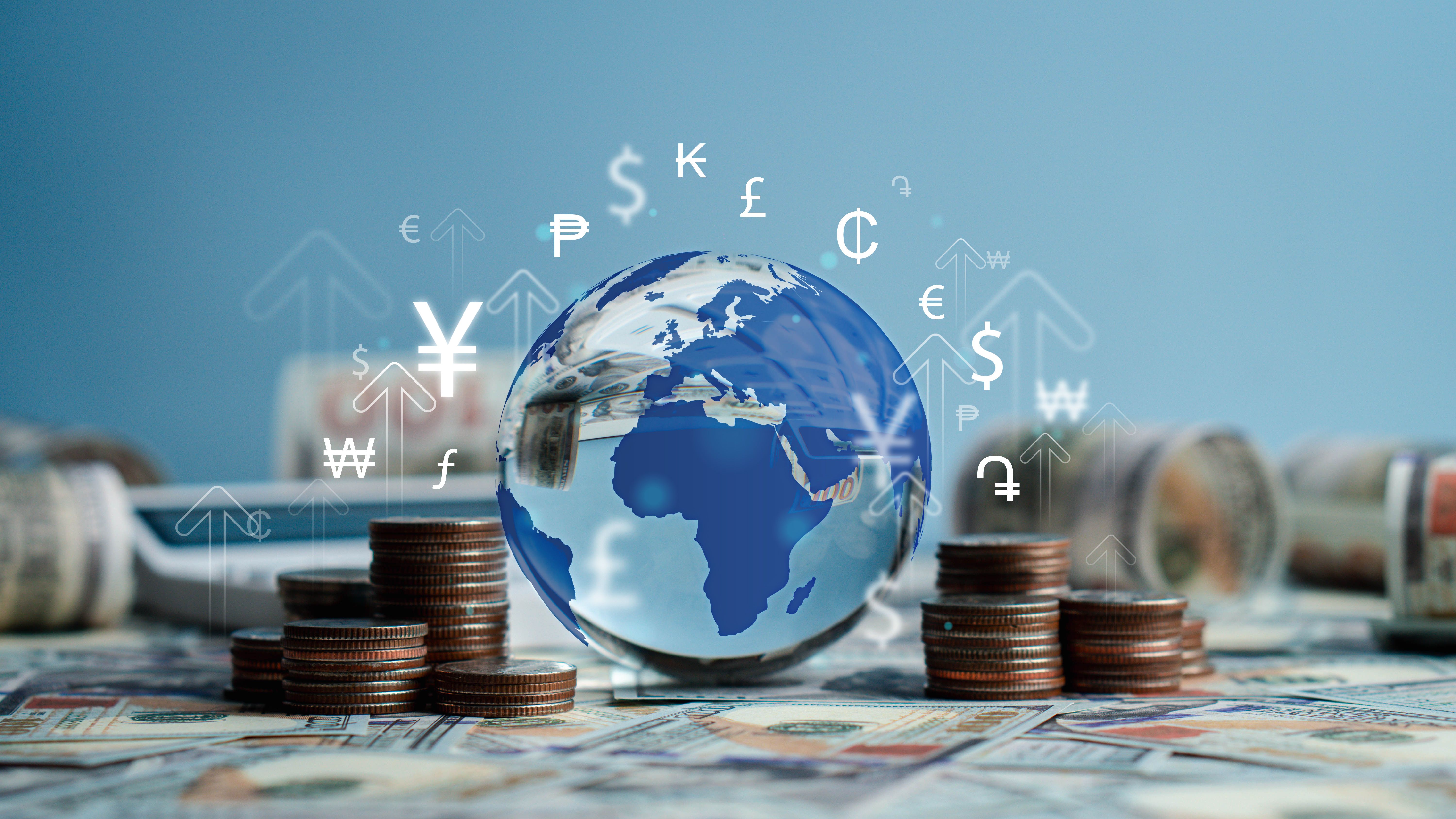
What De-Dollarization Means for the Global Economy
The shift away from the dollar can lead to various changes in the global economy. As countries diversify their foreign exchange reserves, the demand for the US dollar may decrease. This process can impact the dollar's value, influencing inflation rates and international trade dynamics.
Moreover, de-dollarization could foster the rise of new financial hubs and increase the adoption of alternative currencies. This might lead to a more multipolar currency system, potentially reducing the dominance of the US dollar in global markets.
Implications for Your Savings
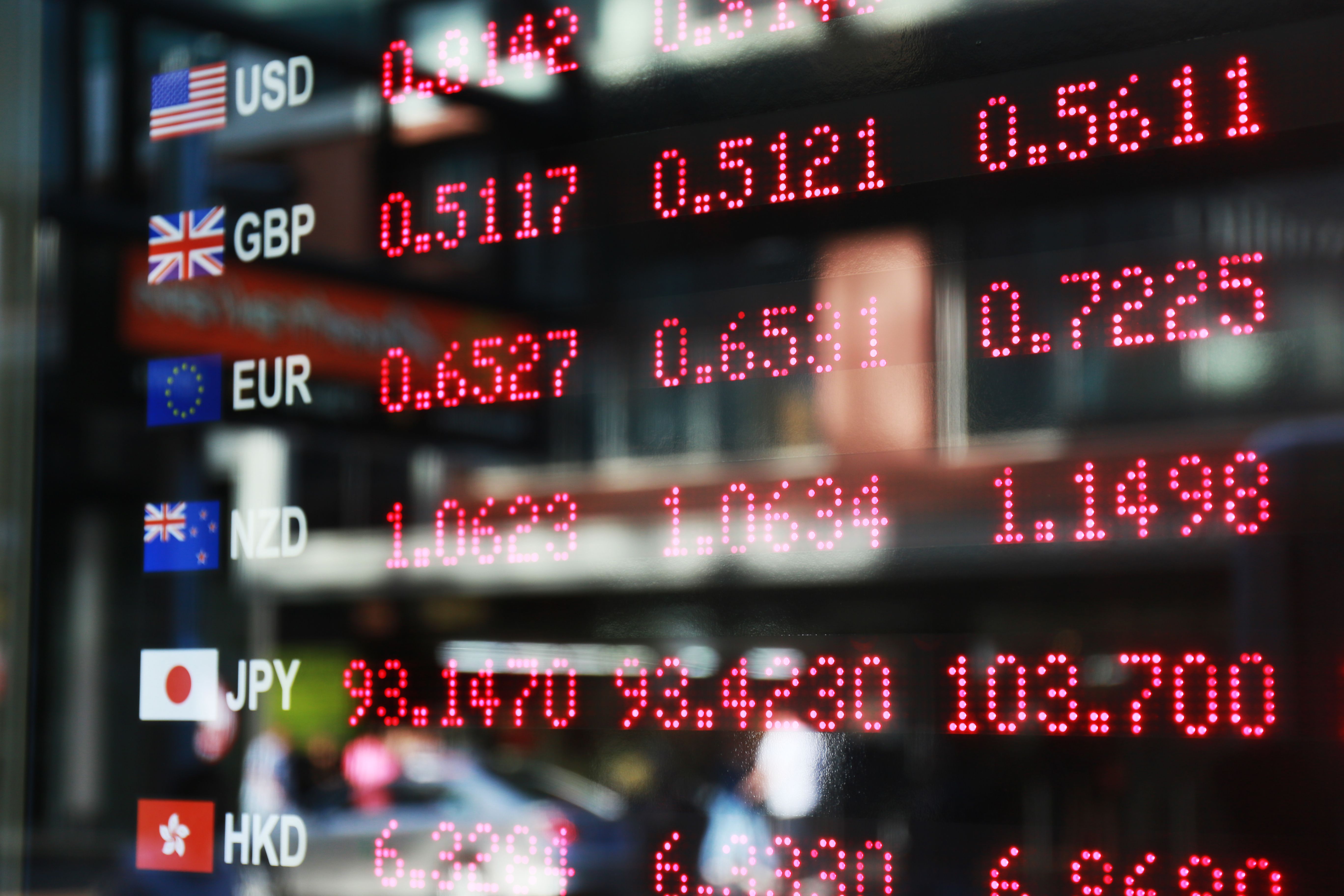
As de-dollarization progresses, it's essential to understand how it might affect your savings. A decline in the dollar's global influence could lead to fluctuations in its value, impacting the purchasing power of your savings. This means that inflation rates could vary, affecting your savings' real value over time.
It's vital to stay informed about these changes and consider diversifying your investment portfolio. By including a mix of assets denominated in various currencies, you can potentially mitigate risks associated with currency fluctuations.

Strategies to Protect Your Savings
To safeguard your financial future in the face of de-dollarization, consider the following strategies:
- Diversification: Invest in a range of assets, such as stocks, bonds, and real estate, across different currencies and regions.
- Stay Informed: Keep abreast of global economic trends and currency movements to make informed financial decisions.
- Consult Professionals: Seek advice from financial advisors to tailor your investment strategy to your specific needs and risk tolerance.
By being proactive and informed, you can better navigate the potential impacts of de-dollarization on your savings.
The Future of the Dollar
While de-dollarization is gaining momentum, the US dollar remains a dominant global currency. It still accounts for a significant portion of international trade and finance. However, the landscape is evolving, and it's crucial to remain adaptable to these changes.
The future of the dollar will depend on various factors, including geopolitical developments and the effectiveness of alternative currencies. Keeping a close eye on these trends will allow you to make strategic financial decisions.

In conclusion, understanding de-dollarization and its potential impacts on your savings is essential in today's interconnected world. By staying informed and diversifying your investments, you can better protect your financial future amidst the evolving global economic landscape.