The History of Gold: From Ancient Times to Modern Investments


Gold has fascinated humanity for thousands of years, serving as a symbol of wealth, power, and prestige. This precious metal has played a significant role in various cultures, economies, and industries worldwide. Understanding the history of gold provides insight into its enduring value and significance.
The Ancient Allure of Gold
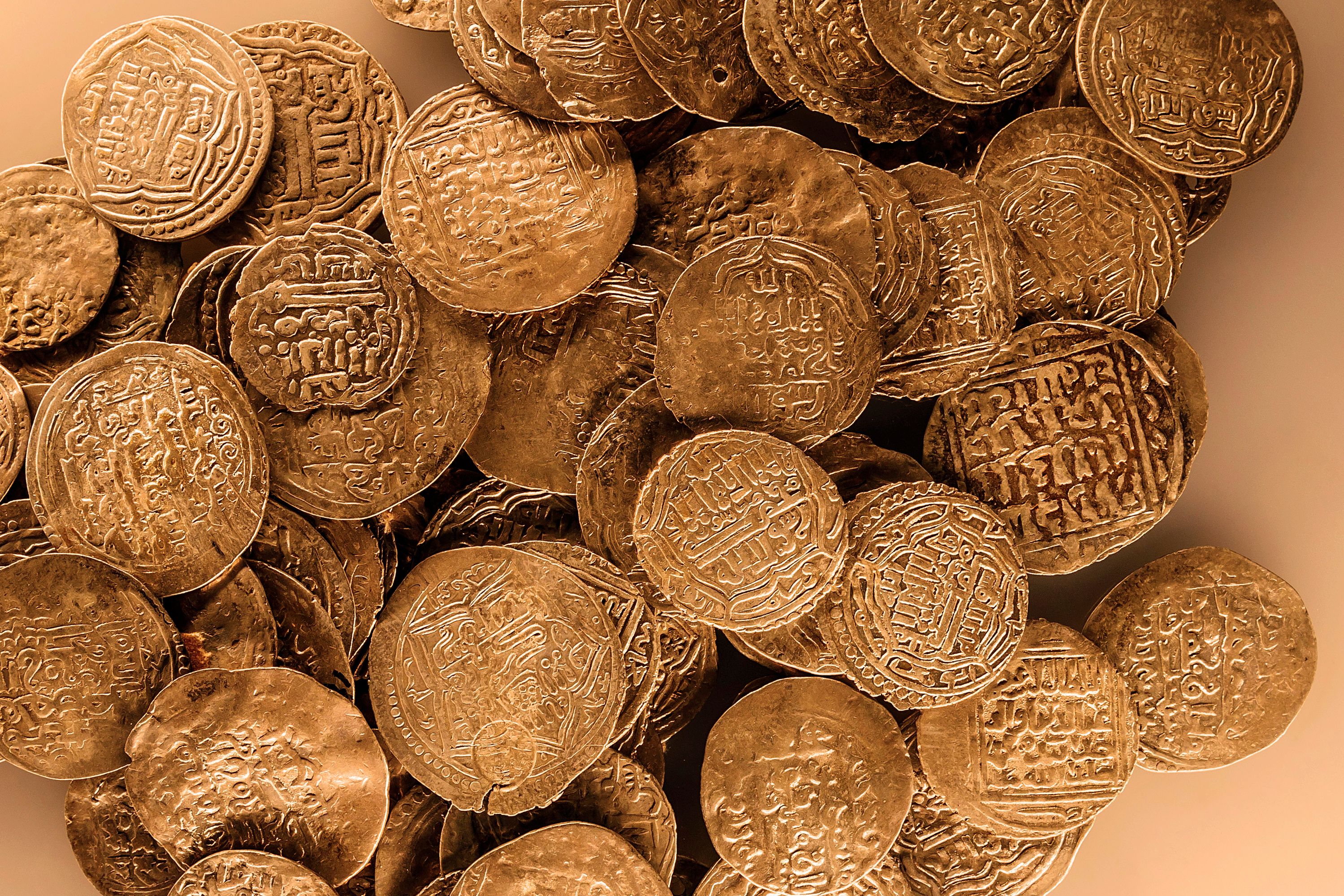
Gold's allure dates back to ancient civilizations, where it was often associated with gods and immortality. The Egyptians, for example, crafted intricate jewelry and artifacts from gold, believing it to be the flesh of the gods. In Mesopotamia, gold was used in trade and as a status symbol.
In ancient Greece, gold was considered a symbol of social status and was used in coins to facilitate trade. The Romans expanded on this, establishing gold as a standard for currency, a practice that influenced future economies. Gold was also prominent in ancient Chinese and Indian cultures, where it was used in religious ceremonies and as a form of currency.
The Middle Ages and Exploration
During the Middle Ages, gold remained a symbol of wealth and power. European monarchs and the Church sought control over gold resources, leading to the establishment of gold mines across the continent. The era of exploration in the 15th and 16th centuries further fueled the quest for gold.

Explorers like Christopher Columbus and Hernán Cortés were driven by the promise of gold in the New World. This led to the colonization of vast territories and the extraction of gold from the Americas, significantly impacting indigenous populations and reshaping global trade networks.
Gold in the Modern Era
The discovery of gold in California in 1848 sparked the famous Gold Rush, drawing thousands of prospectors seeking fortune. This event underscored gold's economic importance and its role in shaping migration and settlement patterns in the United States.
In the 19th and 20th centuries, gold became central to the global economy through the gold standard. Countries pegged their currencies to a fixed amount of gold, providing economic stability. However, the gold standard was eventually abandoned in favor of more flexible monetary systems.

Gold as a Modern Investment
Today, gold remains a popular investment option, valued for its stability and ability to hedge against inflation. Investors often turn to gold during times of economic uncertainty, viewing it as a safe haven asset.
Gold is traded in various forms, including bullion, coins, and exchange-traded funds (ETFs). Its global demand continues to rise, driven by factors such as jewelry production, technology, and central bank reserves.
The Future of Gold
While the future of gold is uncertain, its historical significance and enduring value suggest it will continue to play a vital role in global economies. As technology and markets evolve, gold's adaptability will likely ensure its relevance for generations to come.
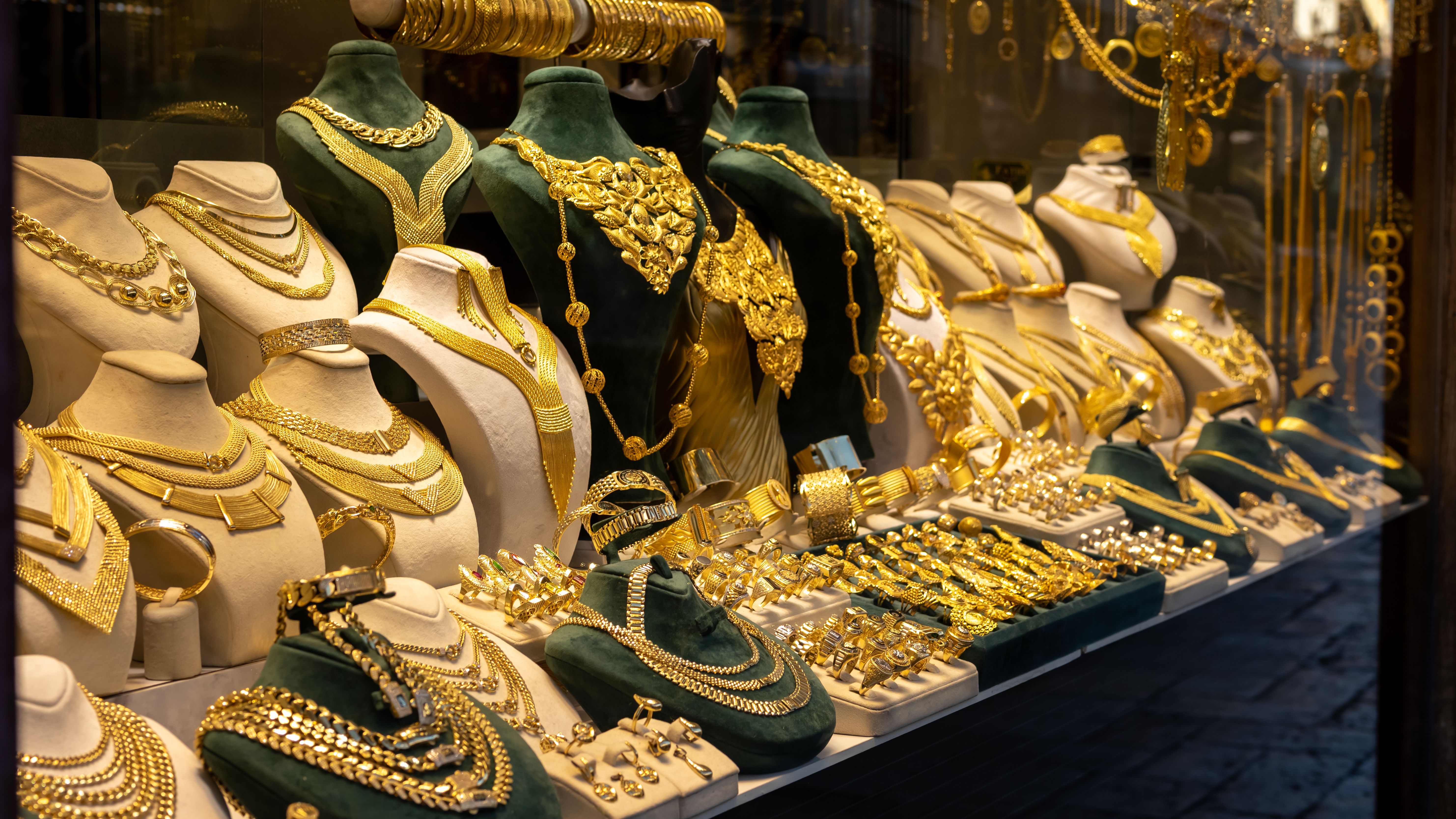
Gold's rich history reflects its importance in human civilization, from ancient deities to modern investment portfolios. Its legacy as a symbol of wealth and stability endures, making it a timeless asset that captures the imagination and trust of people around the world.