The Evolution of the Banking Industry


The Early Days of Banking
The banking industry has undergone significant transformations since its inception. In the early days, banking was a simple affair involving safekeeping of valuables and lending based on personal trust. Ancient civilizations, such as Mesopotamia and Egypt, had rudimentary banking systems, where temples served as safe havens for deposits.

The Rise of Modern Banking
The 17th century marked the rise of modern banking, with the establishment of the Bank of England in 1694. This era saw the introduction of banknotes, which revolutionized monetary transactions. The concept of central banking began to take shape, providing a more stable financial environment.
During the Industrial Revolution, banks played a critical role in financing new industries and infrastructure projects. This period highlighted the importance of banks in economic development and set the stage for their expansion.
Technological Advances
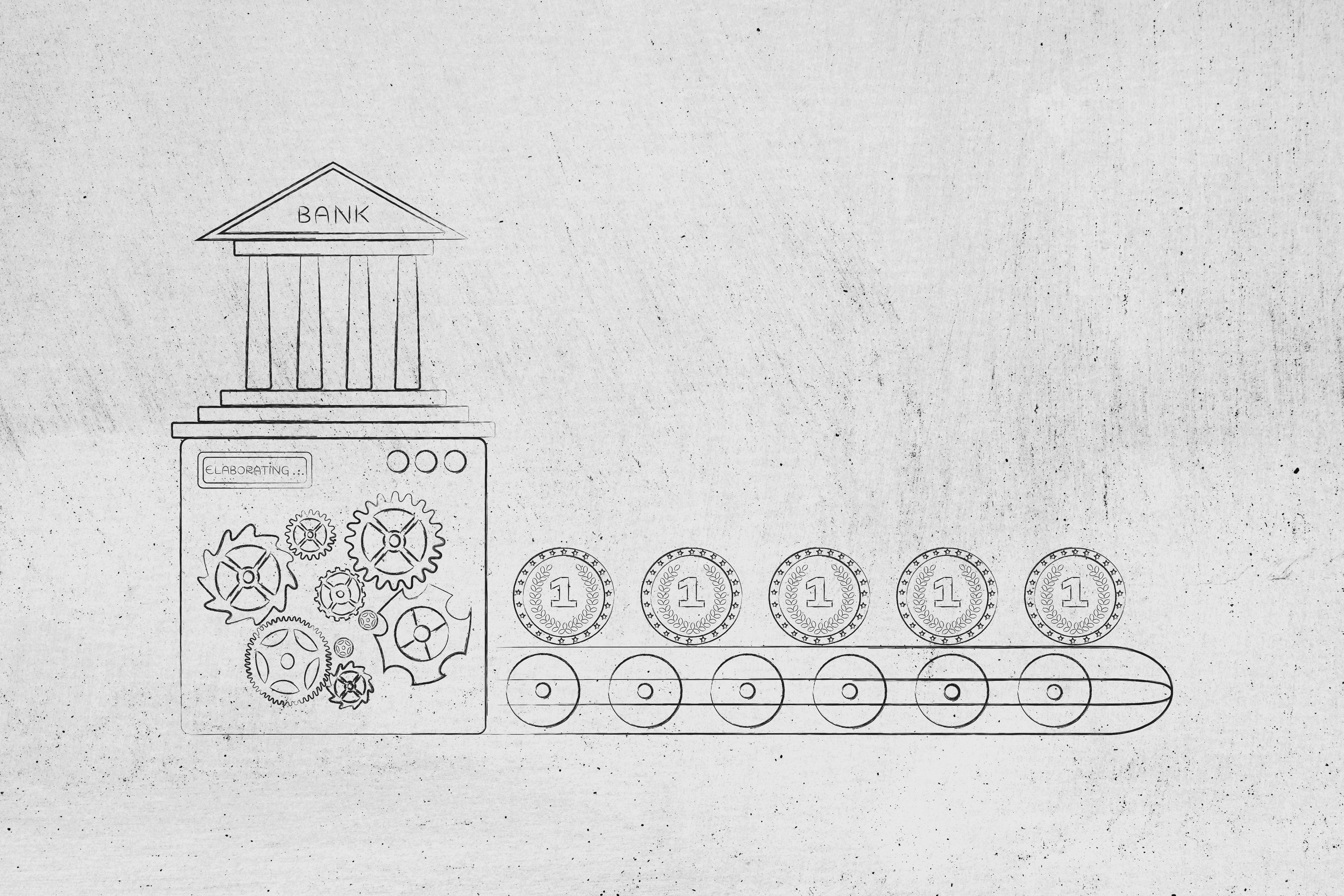
The late 20th and early 21st centuries witnessed remarkable technological advancements that reshaped the banking landscape. The introduction of Automated Teller Machines (ATMs) in the 1960s allowed customers to access their funds conveniently, anytime and anywhere.
The development of online banking in the 1990s further enhanced customer convenience by allowing transactions to be conducted from home. This shift towards digital banking marked a significant departure from traditional brick-and-mortar branches.

The Digital Revolution
Today, the banking industry is in the midst of a digital revolution. Mobile banking apps have become ubiquitous, offering a wide range of services at the touch of a button. Customers can now transfer money, pay bills, and even apply for loans on their smartphones.
In addition, the advent of blockchain technology and cryptocurrencies is challenging traditional banking models. Decentralized financial systems are emerging, offering alternatives to conventional banking services.

Challenges and Opportunities
As banks continue to embrace digital transformation, they face several challenges, including cybersecurity threats and regulatory compliance. However, these challenges also present opportunities for innovation and growth.
For instance, banks are leveraging artificial intelligence and machine learning to enhance customer experiences and streamline operations. These technologies enable personalized banking services and improved risk management.

The Future of Banking
Looking ahead, the future of banking promises to be dynamic and customer-centric. Open banking initiatives are encouraging collaboration between banks and fintech companies, leading to the development of innovative financial products.
Environmental, social, and governance (ESG) considerations are also becoming integral to banking strategies, as institutions seek to foster sustainable growth and positive societal impact.
Ultimately, the evolution of the banking industry is a testament to its resilience and adaptability. As technology continues to advance, banks will need to remain agile to meet the changing needs of their customers.