Silver vs. Cash: Understanding the Hidden Value Erosion


The Basics of Silver and Cash
When it comes to investments, many people are familiar with the concept of cash as a primary asset. However, silver, often overshadowed by its more glamorous cousin gold, offers unique advantages. Understanding the differences between silver and cash can help investors make informed decisions about their portfolios.
Silver serves as a hedge against inflation, while cash can lose value over time due to rising prices and economic shifts. This is a critical factor that investors should consider when evaluating the long-term value of their assets.
Inflation and Its Impact on Cash
Inflation is the gradual increase in prices and the corresponding decline in purchasing power. When inflation occurs, the value of cash decreases. This means that the same amount of money will buy fewer goods and services over time. This is particularly concerning for those who hold large amounts of cash without any strategy to counteract inflation.
For example, if inflation averages 3% per year, $100 today will only be worth $97 in purchasing power next year. Compounded over many years, this can result in significant value erosion, which poses a risk to cash-based savings.
Silver as a Hedge Against Inflation
Unlike cash, silver can act as a hedge against inflation. Silver's intrinsic value tends to rise during periods of economic uncertainty, making it a more stable asset in turbulent times. Historically, precious metals like silver have been seen as a safe haven, preserving wealth even when the value of currency drops.

Investing in silver can provide a tangible asset that often appreciates in value, especially during inflationary periods. This makes it an attractive option for those looking to diversify their investment portfolios and protect their wealth.
The Hidden Costs of Holding Cash
While cash is liquid and easily accessible, it comes with hidden costs that can erode its value. These include not only inflation but also opportunity costs. By holding cash, investors might miss out on potential returns from more lucrative investments such as silver or stocks.
- Inflation reduces purchasing power.
- Opportunity costs from not investing in higher-yield assets.
- Potential bank fees and service charges.
Silver Investment Strategies
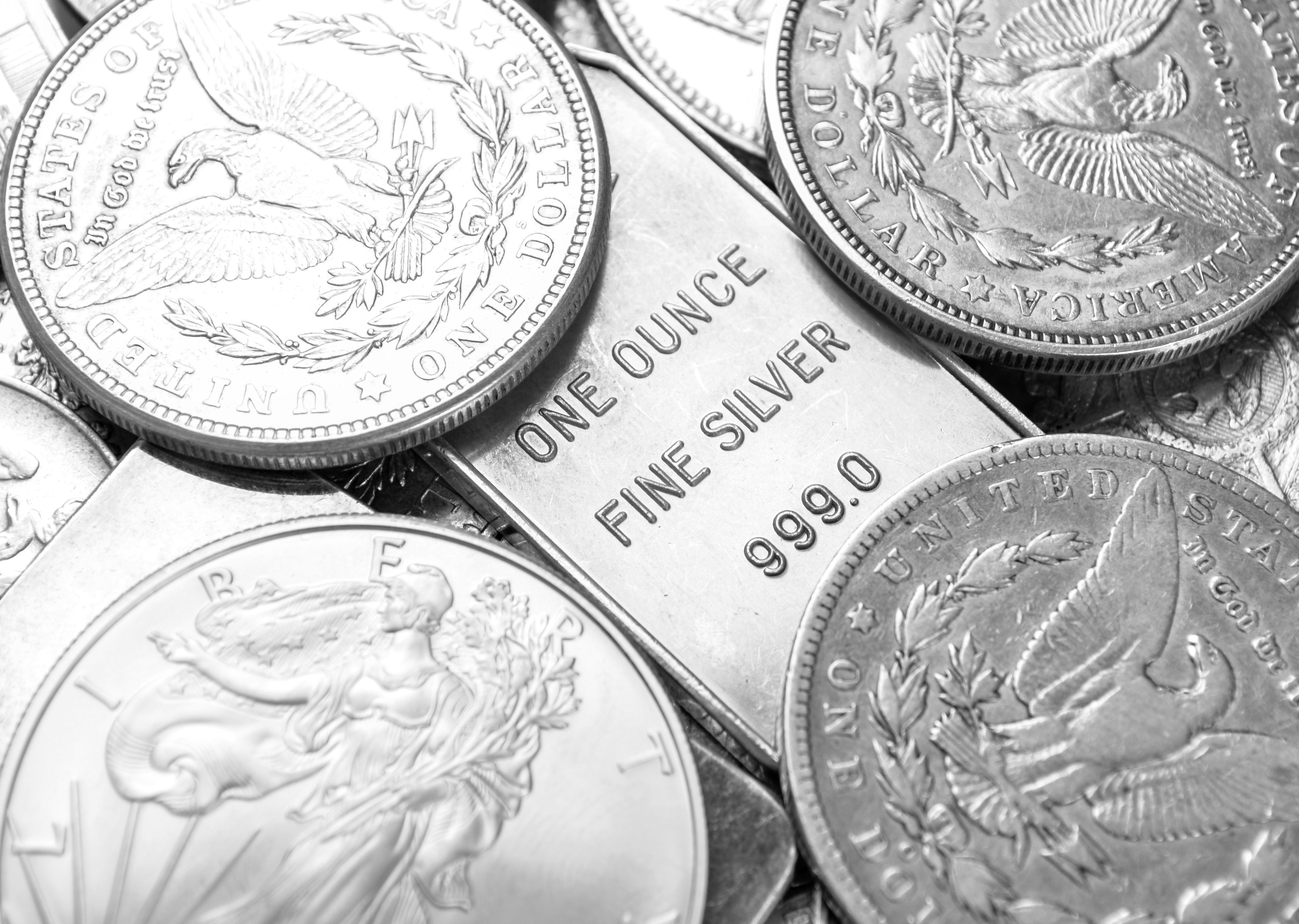
Investing in silver can be done in various forms. Physical silver, such as coins and bars, offers a tangible asset that can be stored and used as a direct hedge against currency devaluation. Additionally, silver ETFs and mining stocks provide exposure to silver prices without the need to store physical metal.

- Physical Silver: Coins and bars.
- Silver ETFs: Exchange-traded funds tracking silver prices.
- Mining Stocks: Shares in companies that produce silver.
Conclusion: Balancing Silver and Cash
Balancing silver and cash in an investment portfolio requires understanding the unique benefits and risks associated with each asset. While cash offers liquidity, silver provides a hedge against inflation. By strategically allocating resources between these assets, investors can protect their wealth and potentially enhance their financial stability.