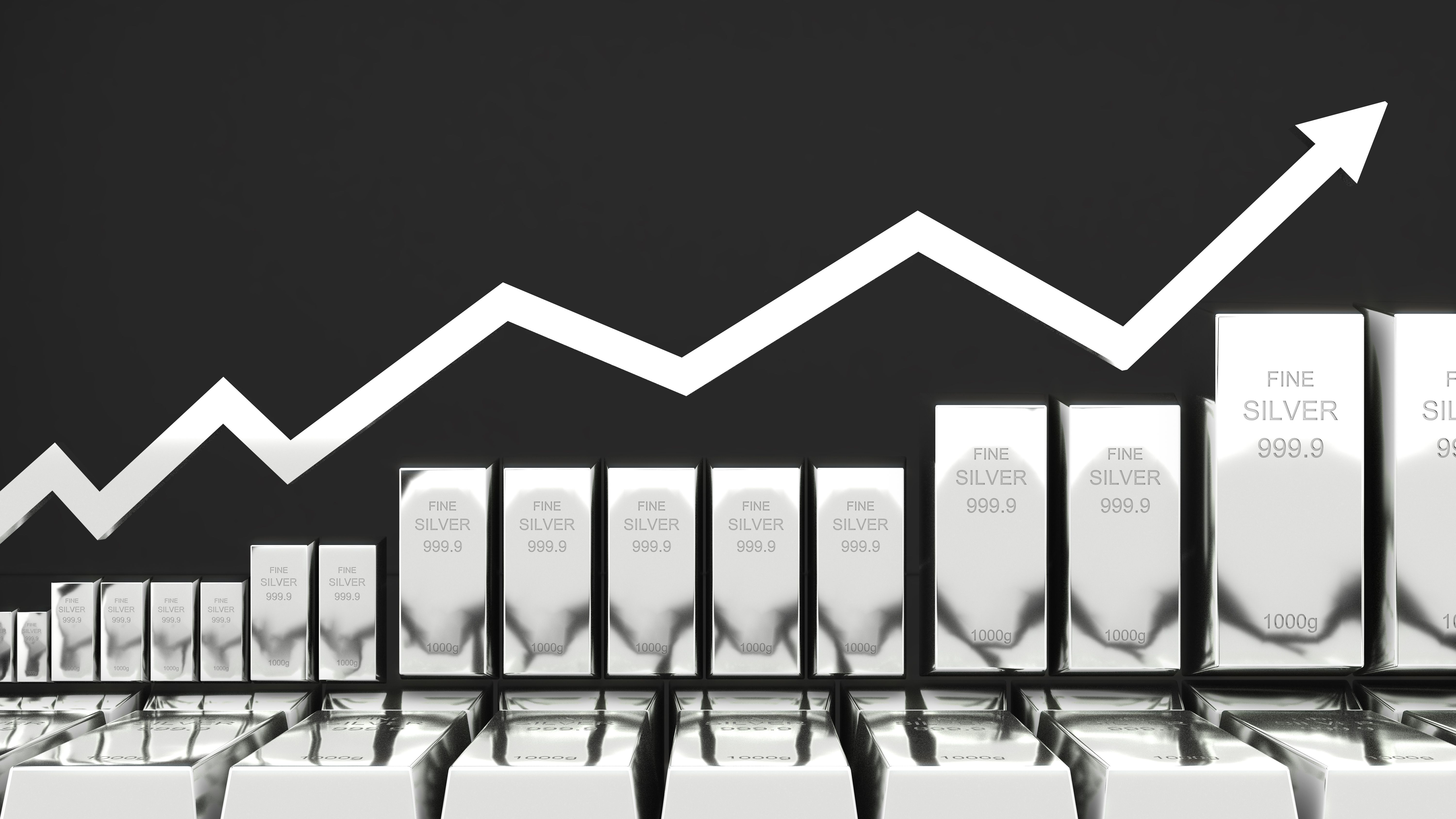
Silver's Role in Times of Economic Uncertainty


Understanding Silver's Historical Importance
Throughout history, silver has played a crucial role as a store of value and medium of exchange. Its unique properties and historical significance make it a popular choice for investors, especially during times of economic uncertainty. As a tangible asset, silver provides a hedge against inflation and currency fluctuations.
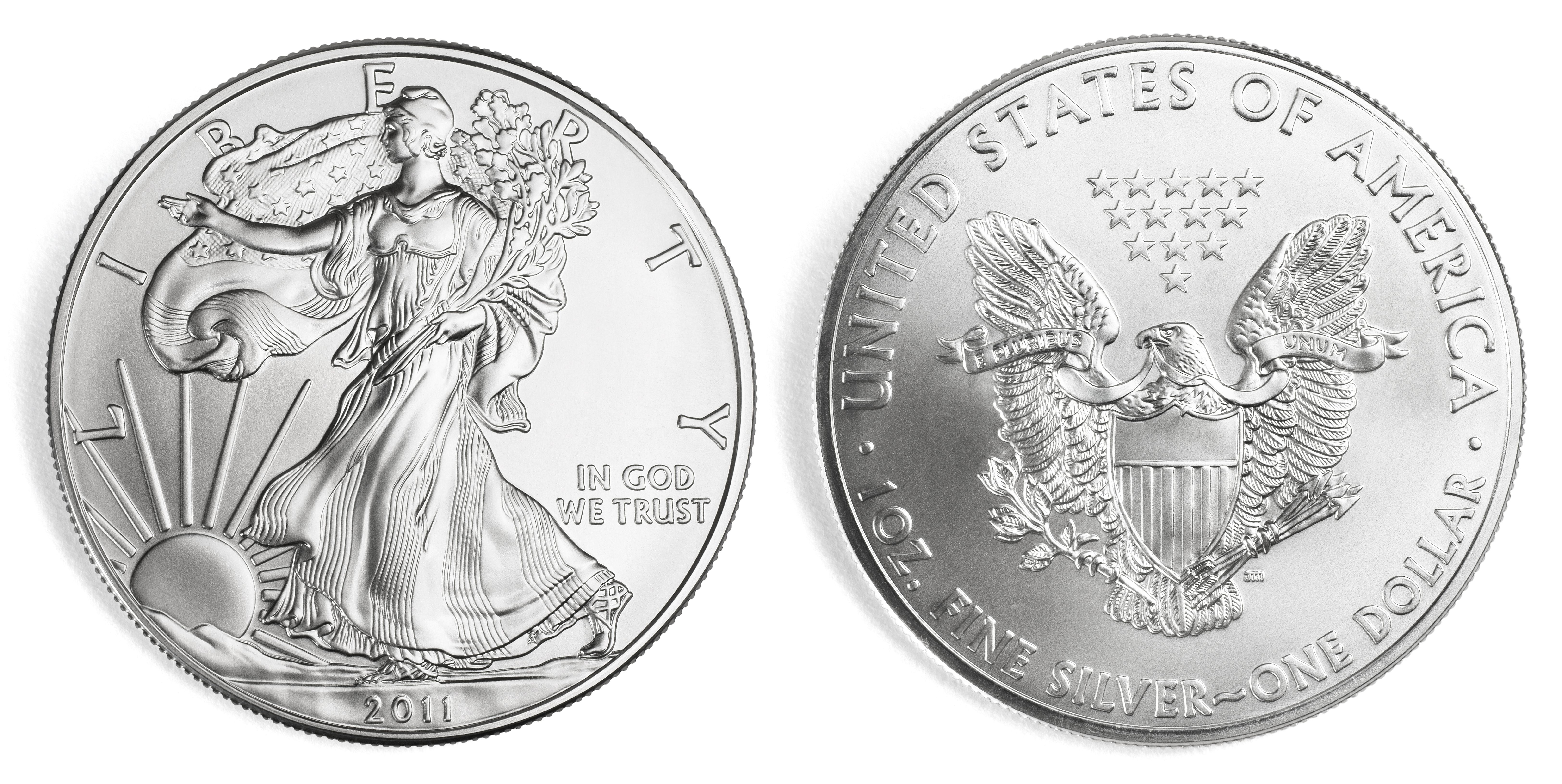
Unlike fiat currencies, which can be subject to excessive printing and devaluation, silver maintains intrinsic value. This has made it a preferred asset during periods of financial instability, where traditional investments may falter.
Silver Versus Gold: A Comparative Analysis
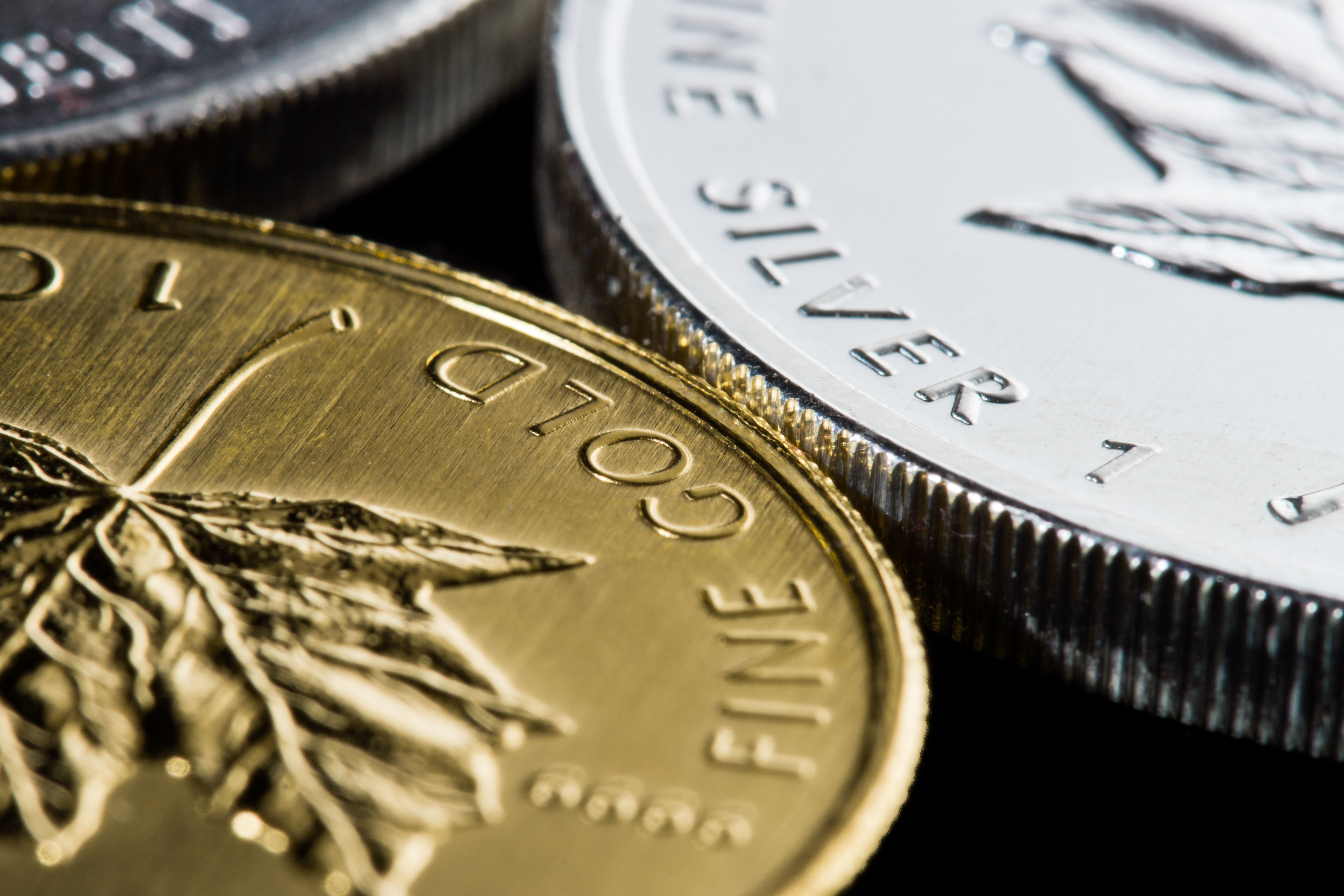
While gold often steals the spotlight, silver offers distinct advantages that make it an attractive option for diversifying portfolios. Silver is more affordable than gold, allowing a broader audience to invest in this precious metal. Its lower price point also means that it can experience greater percentage gains during bull markets.
Moreover, silver has a wide range of industrial applications, from electronics to solar panels, which supports its demand even when economic conditions are uncertain. This dual role as both an industrial and precious metal provides silver with a unique position in the market.
Industrial Demand and Economic Impact
The industrial demand for silver is significant, accounting for nearly half of its total demand. In times of economic uncertainty, sectors like technology and renewable energy continue to grow, driving the need for silver. This industrial demand helps stabilize silver's value, providing an additional layer of security for investors.
- Electronics
- Solar energy
- Medical applications
Silver as a Hedge Against Inflation
Inflation erodes the purchasing power of money, making tangible assets like silver more appealing. As governments implement monetary policies that increase currency supply, silver's value tends to rise, acting as a safeguard against inflationary pressures.
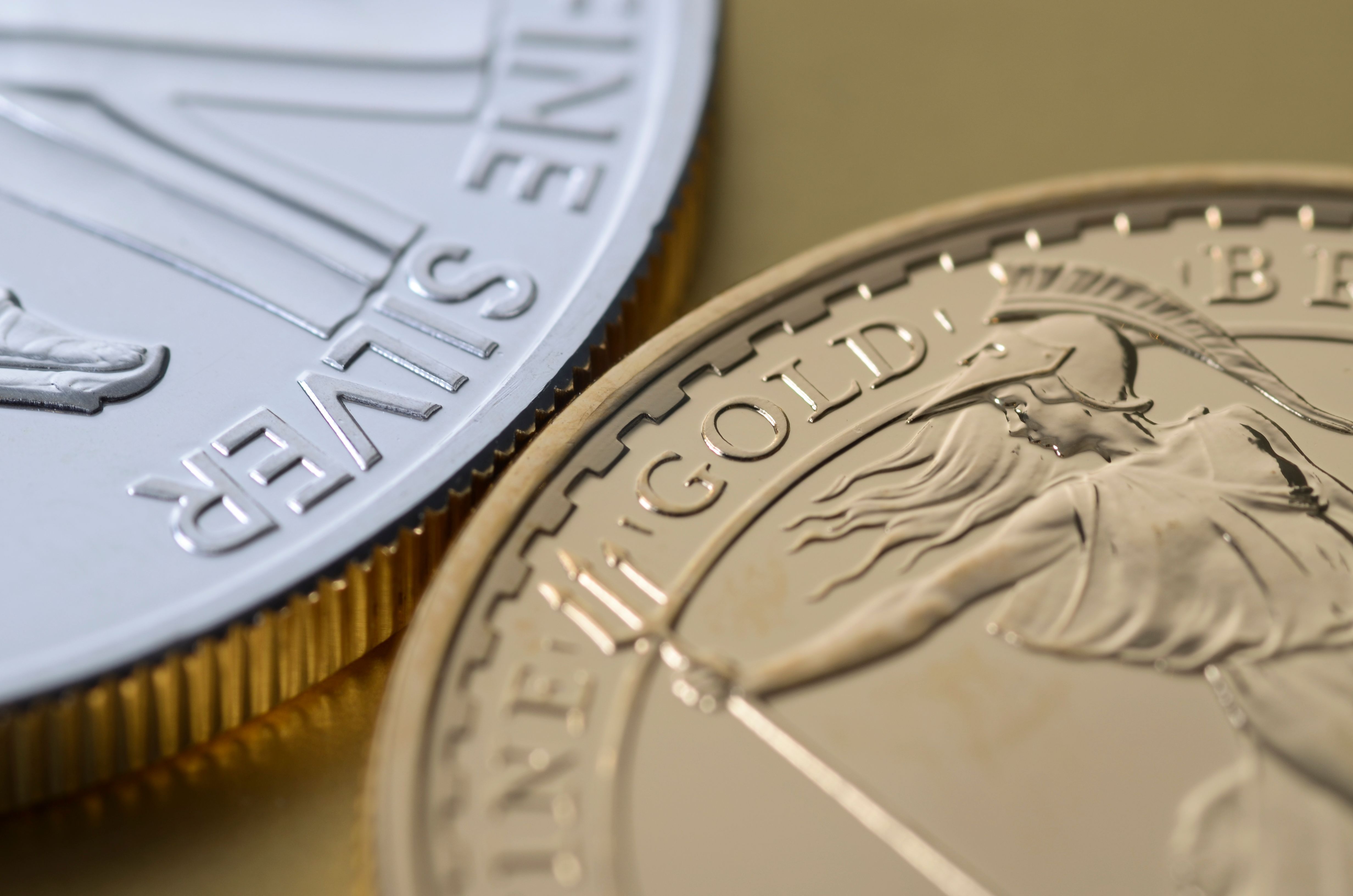
This characteristic makes silver a strategic addition to investment portfolios, especially for those looking to preserve wealth over time. By allocating a portion of assets to silver, investors can mitigate the adverse effects of inflation.
Portfolio Diversification with Silver
Diversifying investments is a fundamental strategy for managing risk, and silver plays a vital role in this process. By including silver in a portfolio, investors can reduce their exposure to volatile markets and protect against unforeseen economic events.
- Reduce market risk
- Preserve wealth
- Enhance portfolio stability
Conclusion: The Strategic Role of Silver
In times of economic uncertainty, silver stands out as a reliable and strategic asset. Its historical importance, affordability, industrial demand, and ability to hedge against inflation make it an attractive option for investors. By understanding silver's role in the global economy, individuals can make informed decisions to protect and grow their wealth.