Silver's Next Decade: Balancing Scarcity and Demand


The Rising Demand for Silver
Silver, often overshadowed by its more glamorous counterpart gold, has been gaining increasing attention in recent years. This precious metal is not only cherished for its historical use in jewelry and coins but also for its critical role in modern technology. As industries like electronics and solar energy continue to expand, the demand for silver is expected to rise significantly in the next decade.
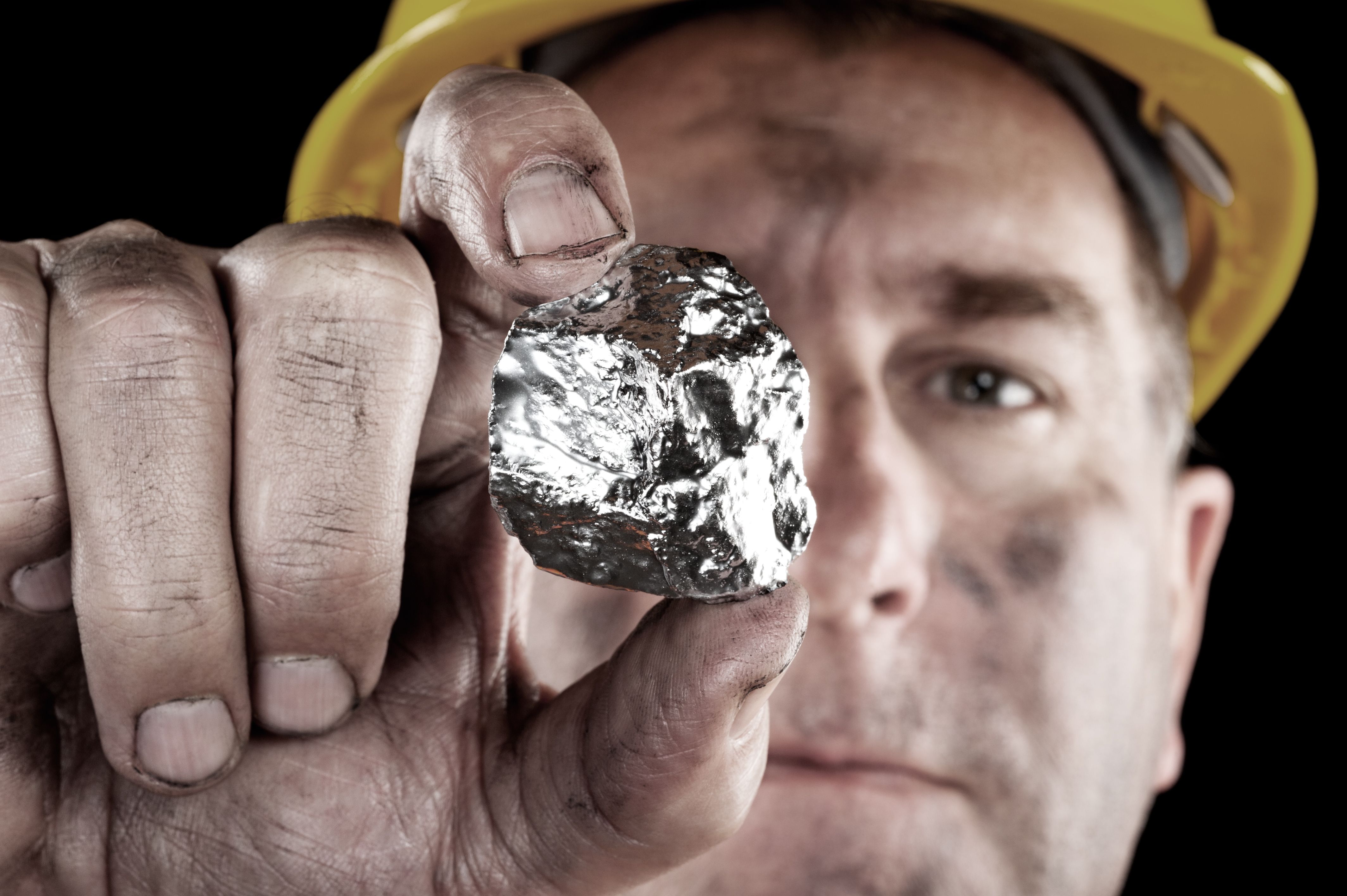
One of the key drivers of this increased demand is the growing adoption of solar panels. Silver plays a vital role in the photovoltaic cells used in solar energy production, making it indispensable for the transition to renewable energy sources. Additionally, the electronics industry relies heavily on silver for its excellent conductivity, further boosting its demand.
Scarcity Concerns
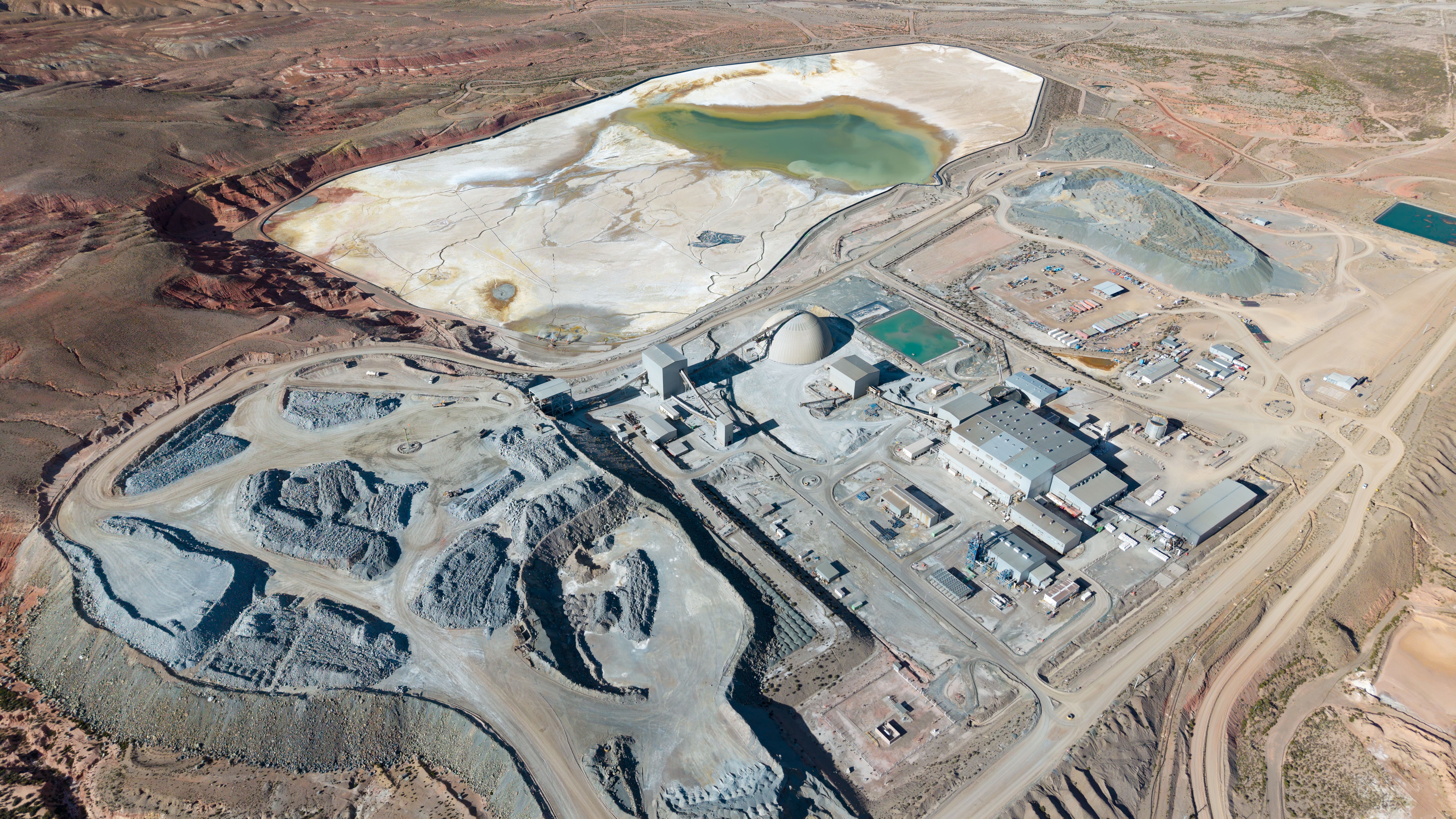
While demand is on the rise, silver faces potential scarcity issues. The metal is primarily extracted as a byproduct of mining other metals like lead, zinc, and copper. This means that its availability is often tied to the production levels of these primary metals. As a result, fluctuations in their markets can directly impact silver supply.
Moreover, existing silver mines are gradually depleting, and new discoveries are becoming rarer. This scarcity could lead to increased prices, affecting various industries reliant on the metal.
Investment Opportunities
With the balance of scarcity and demand, silver presents intriguing investment opportunities. Investors are increasingly viewing silver as a hedge against economic uncertainty, similar to gold. Its lower price point compared to gold also makes it more accessible to a broader range of investors.
- Potential for price appreciation due to scarcity
- Role as a hedge against inflation
- Increased industrial demand
These factors contribute to silver's appeal as a strategic addition to investment portfolios in the coming decade.
Technological Advancements
As technology continues to evolve, so does the application of silver. Innovations in battery technology, particularly in electric vehicles, may further drive the demand for silver. Researchers are exploring new uses for silver in advanced technologies, which could open additional markets for this versatile metal.
The ongoing development of nanotechnology also holds promise for silver, as its antimicrobial properties are being harnessed in medical and consumer products. This could lead to further diversification in its uses and demand.
Environmental and Ethical Considerations
With increased mining activities, environmental and ethical concerns are becoming more pronounced. Responsible sourcing and sustainable mining practices are critical to mitigating the environmental impact of silver extraction. Companies are increasingly under pressure to ensure that their supply chains are ethical and environmentally friendly.
Efforts to recycle silver from electronic waste and other sources are also gaining traction, which could help alleviate some of the scarcity concerns by providing a secondary supply stream.

Conclusion
The next decade will be crucial for the silver market as it navigates the challenges of balancing scarcity with rising demand. With its myriad of applications and potential for investment growth, silver stands as a metal of significant interest. However, addressing environmental and ethical concerns will be essential in ensuring its sustainable future.
As industries and investors alike keep a keen eye on silver's trajectory, it remains clear that this precious metal will play a pivotal role in shaping the technological and economic landscapes of the future.