Silver: Your Financial Safety Net in a Shifting Global Economy


The Importance of Silver in Today's Economy
In a world where economic stability can seem elusive, silver stands out as a reliable asset. As global markets face uncertainties, silver offers a tangible and historically proven safety net for investors. Unlike fiat currencies, which can be subject to inflation and devaluation, silver maintains intrinsic value.
Silver's role as a financial safeguard is not a new concept. For centuries, it has been a cornerstone of wealth preservation. Its dual nature as both a precious metal and an industrial commodity makes it uniquely positioned to perform well in various market conditions.
Silver vs. Gold: A Comparative Analysis
While gold often takes the spotlight as a safe-haven asset, silver offers several distinct advantages. Its lower price point makes it more accessible to a broader range of investors. Additionally, silver's industrial applications in electronics, solar energy, and medicine contribute to its demand, providing an extra layer of security for investors.
Investing in silver can be a strategic choice for diversifying a portfolio. Unlike gold, which is primarily viewed as a store of value, silver's dual role can potentially yield higher returns in a bullish market.
Why Silver Is a Smart Hedge Against Inflation
Inflation erodes the purchasing power of cash, making tangible assets like silver increasingly attractive. As central banks continue to print money to stimulate economies, the risk of inflation grows, underscoring the importance of having assets that can withstand such pressures.

Silver's historical performance during inflationary periods has been impressive. It not only retains value but often appreciates, providing a hedge against the diminishing value of paper currency. This makes it a crucial component of a resilient financial strategy.
How to Invest in Silver
Investors have several options when it comes to silver, including physical silver, silver ETFs, and mining stocks. Each option has its own advantages and potential risks, so it's essential to consider your investment goals and risk tolerance.
- Physical Silver: Coins and bars offer direct ownership and are seen as a safe haven.
- Silver ETFs: Provide exposure to silver prices without the need for physical storage.
- Mining Stocks: Offer leverage to the price of silver and potential for high returns.
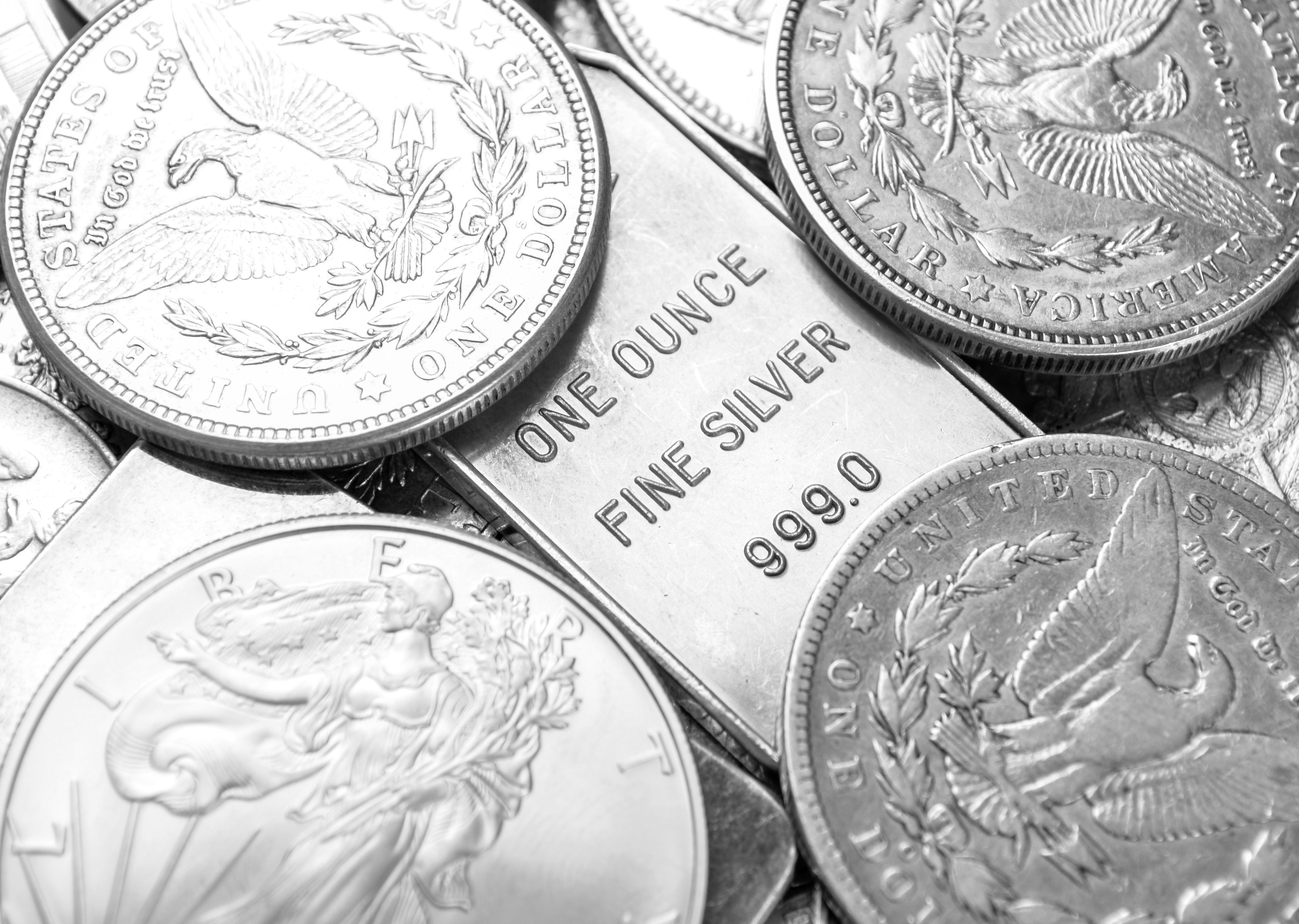
For those new to investing in silver, starting with physical silver can be a straightforward way to begin. As familiarity with the market grows, diversifying into ETFs and mining stocks can enhance the portfolio's potential returns.
The Future of Silver in a Global Economy
As green technologies continue to evolve, the industrial demand for silver is expected to rise. Solar panels, electric vehicles, and other innovations rely heavily on silver, positioning it as a key player in the shift towards sustainable energy.
Moreover, geopolitical tensions and economic shifts can further enhance silver's appeal as a safe-haven asset. By investing in silver, individuals can protect their wealth while also capitalizing on emerging global trends.
In conclusion, silver remains a versatile and valuable asset in a shifting global economy. Its unique properties make it an ideal choice for those seeking both security and growth potential. Whether you're a seasoned investor or just starting, silver offers a solid foundation for financial resilience.