Navigating Economic Slowdowns: Understanding Supply Shocks and Policy Uncertainty


Understanding Supply Shocks
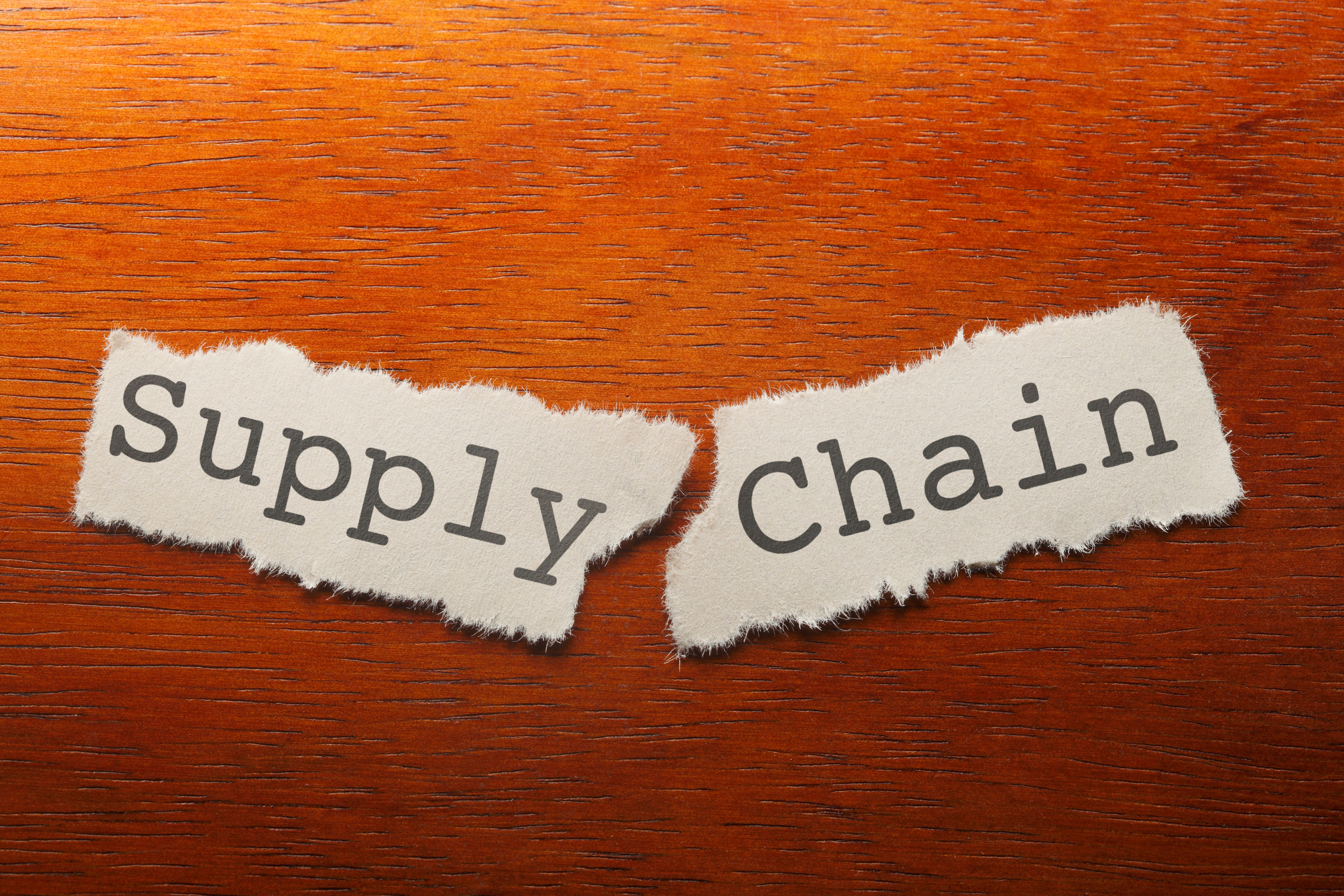
During economic slowdowns, one of the key factors that can exacerbate the situation is a supply shock. A supply shock occurs when there is a sudden decrease in the supply of goods and services, which often leads to increased prices and reduced economic output. These shocks can be caused by various factors, including natural disasters, geopolitical events, or disruptions in production processes.
Understanding the origins and impacts of supply shocks is crucial for businesses and policymakers. For businesses, it means assessing the vulnerabilities in their supply chains and finding ways to mitigate risks. For policymakers, it involves crafting strategies to stabilize the economy and support affected industries.
Impacts on Businesses and Consumers
Supply shocks can have a profound impact on both businesses and consumers. For businesses, the immediate effect is often a rise in production costs due to the scarcity of raw materials or components. This can lead to higher prices for consumers, which may reduce demand and further slow economic growth.
Consumers may face shortages of essential goods, leading to increased prices and a decrease in purchasing power. In such scenarios, understanding consumer behavior becomes crucial for businesses to adapt their strategies and maintain customer loyalty.
Policy Uncertainty in Economic Slowdowns
Another critical aspect of navigating economic slowdowns is dealing with policy uncertainty. Policy uncertainty occurs when businesses and consumers are unsure about future government actions that could affect the economy, such as changes in tax policy, trade regulations, or monetary policy.
Policy uncertainty can lead to decreased investment and hiring, as businesses may take a "wait and see" approach. This hesitation can further slow economic recovery and exacerbate the effects of supply shocks. Understanding and anticipating policy changes allows businesses to better plan and adapt to new economic conditions.
Strategies for Businesses
To navigate economic slowdowns effectively, businesses can adopt several strategies to mitigate the impacts of supply shocks and policy uncertainty:
- Diversify Supply Chains: By sourcing materials from multiple suppliers and regions, businesses can reduce their dependency on any single source and minimize risks associated with supply shocks.
- Enhance Flexibility: Implementing agile business practices allows companies to quickly adapt to changes in the market or regulatory environment.
- Engage in Scenario Planning: By anticipating various policy outcomes, businesses can develop contingency plans to navigate potential changes in the economic landscape.
Conclusion
Navigating economic slowdowns requires a deep understanding of both supply shocks and policy uncertainty. By recognizing the causes and effects of these phenomena, businesses and policymakers can craft strategies to mitigate their impacts and promote economic resilience. Through diversification, flexibility, and proactive planning, businesses can better position themselves to weather the challenges of an uncertain economic environment.