Maximizing Retirement: The Role of Precious Metals in Your Plan


Understanding the Basics of Precious Metals
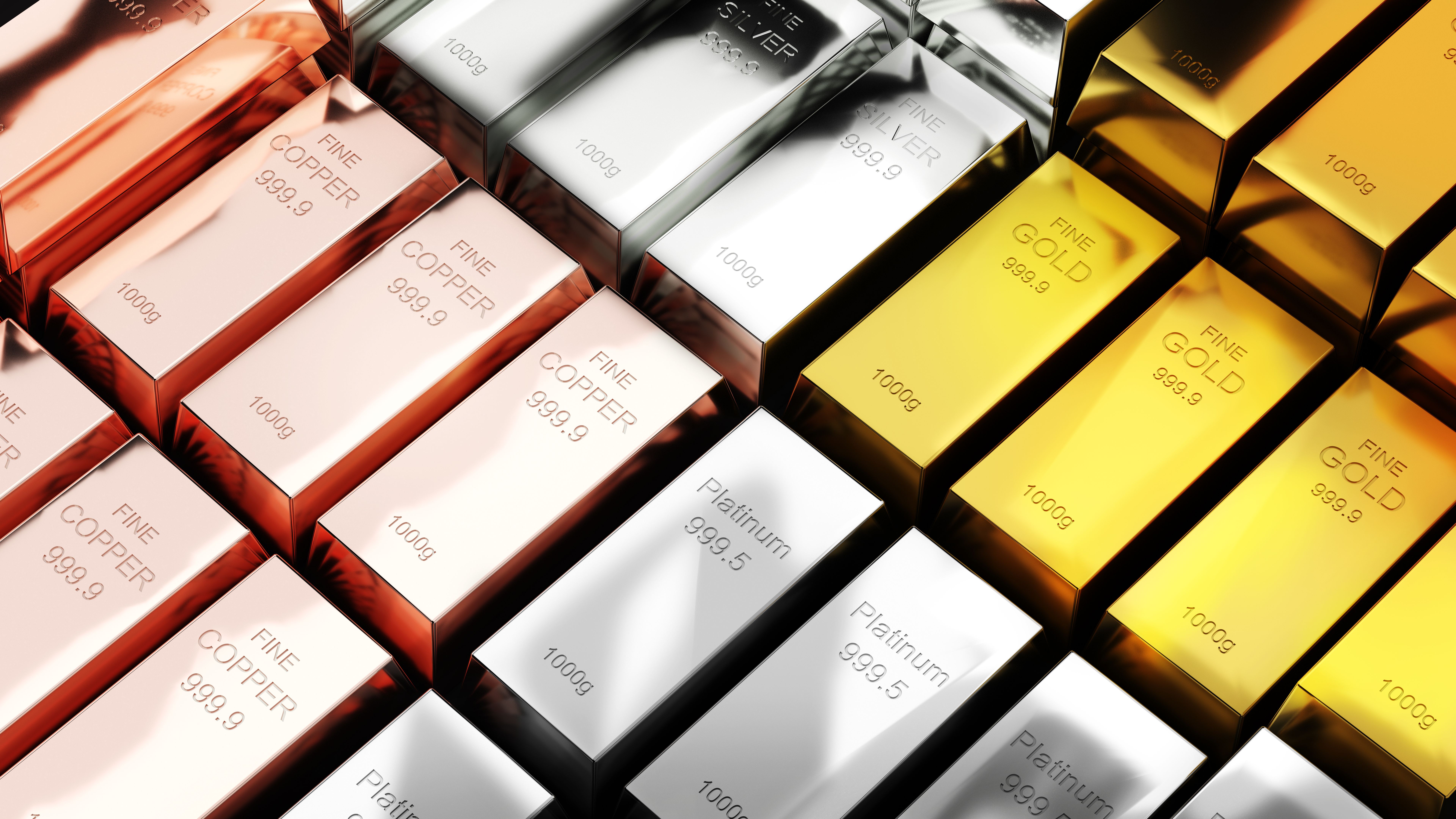
When planning for retirement, diversification is key. Precious metals, such as gold, silver, and platinum, can play a crucial role in a well-balanced portfolio. These tangible assets often serve as a hedge against inflation and economic uncertainty, offering stability when traditional investments like stocks and bonds falter.
Precious metals have been valued for centuries and are universally recognized, making them a reliable choice for investors seeking long-term security. Their intrinsic value and limited supply contribute to their appeal, particularly during times of financial instability.
Why Include Precious Metals in Your Retirement Plan?
Including precious metals in your retirement plan offers several benefits. First, they provide protection against inflation. As the cost of living rises, the value of paper currency can decline, but precious metals typically retain their value or even appreciate.
Second, these metals offer diversification. By adding them to your portfolio, you reduce your overall risk, as they often move inversely to traditional assets. This means that when stock markets are volatile, precious metals can provide a stabilizing effect.

How to Invest in Precious Metals
There are multiple ways to invest in precious metals. You can purchase physical metals such as coins and bars, invest in exchange-traded funds (ETFs) that track metal prices, or buy shares in mining companies. Each method has its pros and cons, so it’s essential to assess your risk tolerance and investment goals before making a decision.
For those who prefer tangible assets, buying physical metals offers a sense of security. However, it requires safe storage and insurance. On the other hand, ETFs and mining stocks provide liquidity and convenience, as they can be easily traded on major exchanges.
Evaluating the Risks
While investing in precious metals can be beneficial, it’s important to consider the associated risks. Prices can be volatile, influenced by geopolitical events, interest rates, and currency fluctuations. Therefore, it’s advisable to limit your exposure to a certain percentage of your overall portfolio.
Moreover, investing in physical metals involves additional costs such as storage and insurance. Ensure you have a clear understanding of these expenses before committing to a purchase.

Integrating Precious Metals into Your Portfolio
To effectively integrate precious metals into your retirement portfolio, consider consulting with a financial advisor. They can help you determine the appropriate allocation based on your financial goals, risk tolerance, and time horizon.
Typically, experts recommend allocating between 5% to 10% of your portfolio to precious metals. This level of investment often provides the benefits of diversification without exposing you to excessive risk.
The Long-Term Benefits
Over time, precious metals can offer substantial long-term benefits. They serve as a safeguard against economic downturns and can enhance the overall resilience of your retirement plan. Additionally, they offer liquidity, allowing you to convert them into cash quickly if needed.
Ultimately, the role of precious metals in your retirement plan depends on your individual circumstances. By carefully evaluating your options and considering both the benefits and risks, you can make informed decisions that support your financial future.