Is Now the Right Time to Invest in Metals? A Data-Driven Analysis


In today's volatile economic landscape, investors are constantly seeking reliable assets to safeguard their portfolios. One asset class that has historically been a safe haven is metals. But is now the right time to invest in metals? A data-driven analysis can provide some clarity on this topic.

Understanding Market Trends
The metals market has always been influenced by a variety of factors, including geopolitical tensions, currency fluctuations, and industrial demand. Recently, data suggests a renewed interest in metals due to global economic uncertainty. Investors are turning to metals as a hedge against inflation and currency devaluation.
Historical data shows that during times of economic downturn, metals like gold and silver tend to perform well. For instance, during the 2008 financial crisis, gold prices surged by over 25%. This trend underscores the potential of metals to preserve value during turbulent times.
Comparing Metals: Gold, Silver, and More
When considering an investment in metals, it’s crucial to understand the differences among them. Gold is often seen as a safe haven due to its stability and historical significance. Silver, on the other hand, is more volatile but offers higher potential gains due to its industrial applications.
Palladium and platinum are also noteworthy, driven by demand in the automotive industry for catalytic converters. Investors should weigh the industrial demand against market volatility when choosing which metal to invest in.
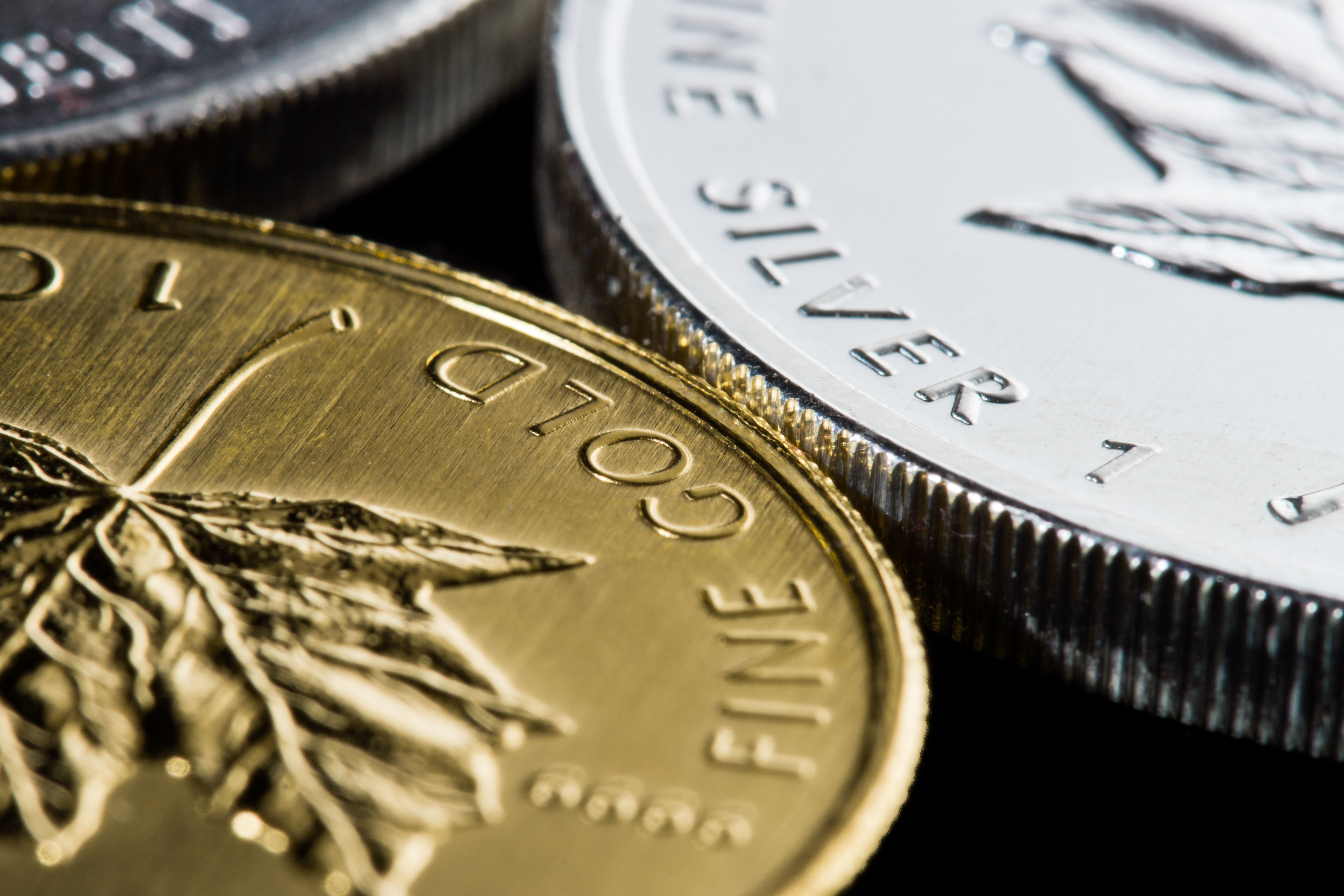
Analyzing Supply and Demand
Supply and demand dynamics play a critical role in metal prices. For example, silver's demand is partly driven by its use in electronics and solar panels. As technology advances, the demand for silver is likely to increase, potentially driving up prices.
Conversely, supply constraints can also impact prices. Mining disruptions or geopolitical tensions in major producing countries can lead to supply shortages, further influencing market prices. Monitoring these factors can provide insights into potential price movements.
Investment Strategies
Investors have various strategies at their disposal when it comes to metals. Some prefer physical ownership, purchasing coins or bullion, while others might invest through exchange-traded funds (ETFs) that track metal prices.
- Physical Ownership: Offers tangible assets but requires storage and insurance.
- ETFs: Provide exposure without the need for physical storage.
- Futures and Options: Allow for speculation on price movements but come with higher risk.
Evaluating Economic Indicators
Economic indicators such as interest rates, currency strength, and inflation rates are crucial in determining the right time to invest in metals. A low-interest-rate environment often boosts the appeal of non-yielding assets like gold.
Additionally, a weak currency can enhance the attractiveness of metals as a store of value. Keeping an eye on central bank policies and economic forecasts can provide valuable insights for potential investors.
Conclusion: Is Now the Right Time?
Ultimately, the decision to invest in metals should be based on a comprehensive analysis of market data and economic indicators. While metals offer a hedge against uncertainty, they also come with their own set of risks and considerations.
For those looking for stability amidst market volatility, metals can be a prudent addition to a diversified investment portfolio. As always, consulting with a financial advisor is recommended to tailor an investment strategy to individual goals and risk tolerance.