Incorporating Precious Metals into Your Early Retirement Plan


Understanding Precious Metals as an Investment
Incorporating precious metals into your early retirement plan can be a strategic move to diversify your portfolio. Precious metals, such as gold, silver, and platinum, are tangible assets that can provide stability in times of economic uncertainty. Unlike stocks and bonds, they have intrinsic value and are not directly tied to the performance of the stock market.
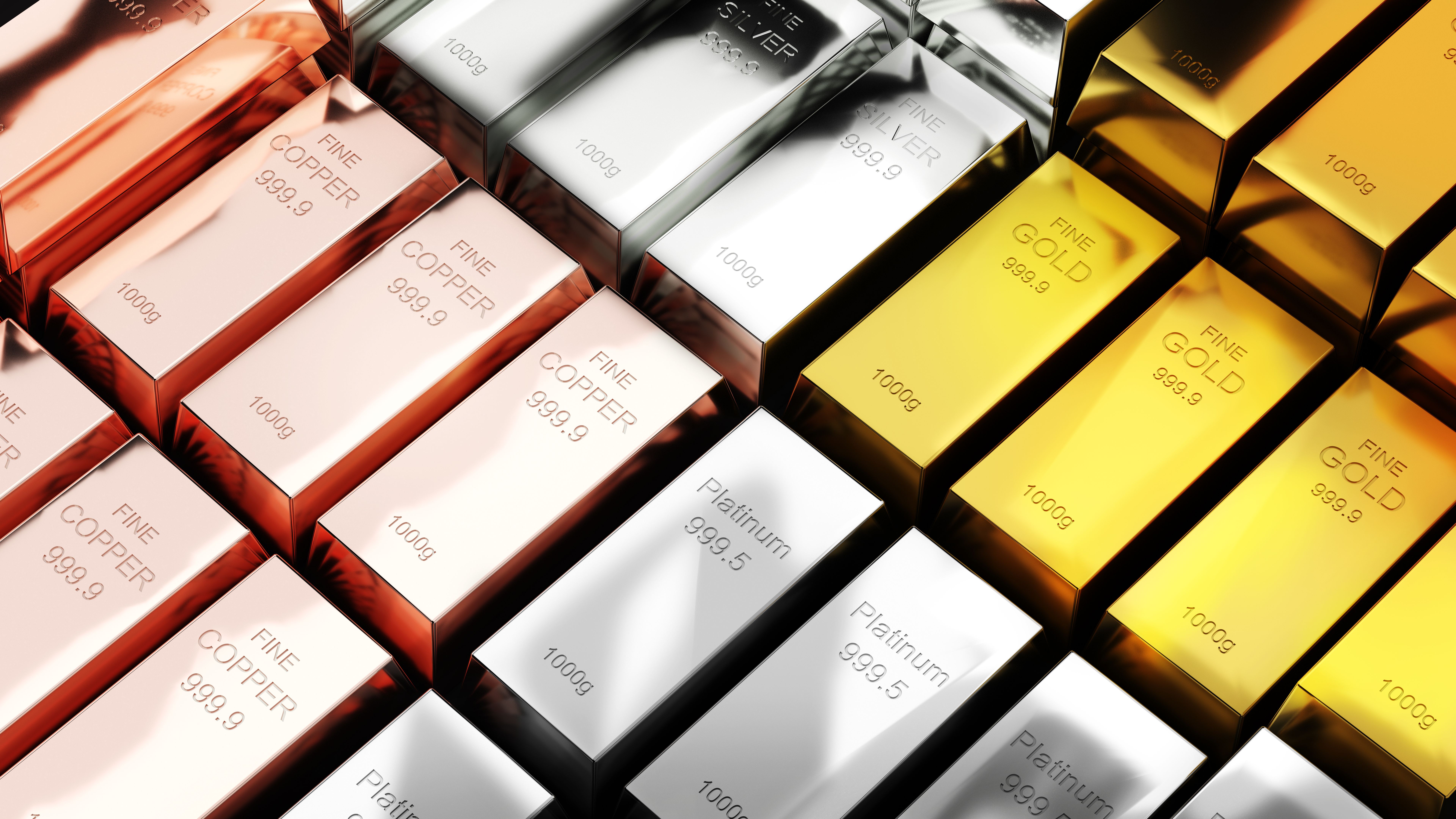
One of the key benefits of investing in precious metals is their ability to act as a hedge against inflation. As the cost of living rises, the value of currency can decrease, but precious metals often maintain or increase their value. This makes them an attractive option for those looking to preserve their wealth over the long term.
Types of Precious Metals to Consider
When planning your investment, it's important to understand the different types of precious metals available. Each has its own advantages and market dynamics:
- Gold: Often seen as a safe haven, gold is known for its stability and long-term value retention.
- Silver: More volatile than gold, silver has industrial applications which can influence its price.
- Platinum: Rarer than gold and silver, platinum is often driven by industrial demand.
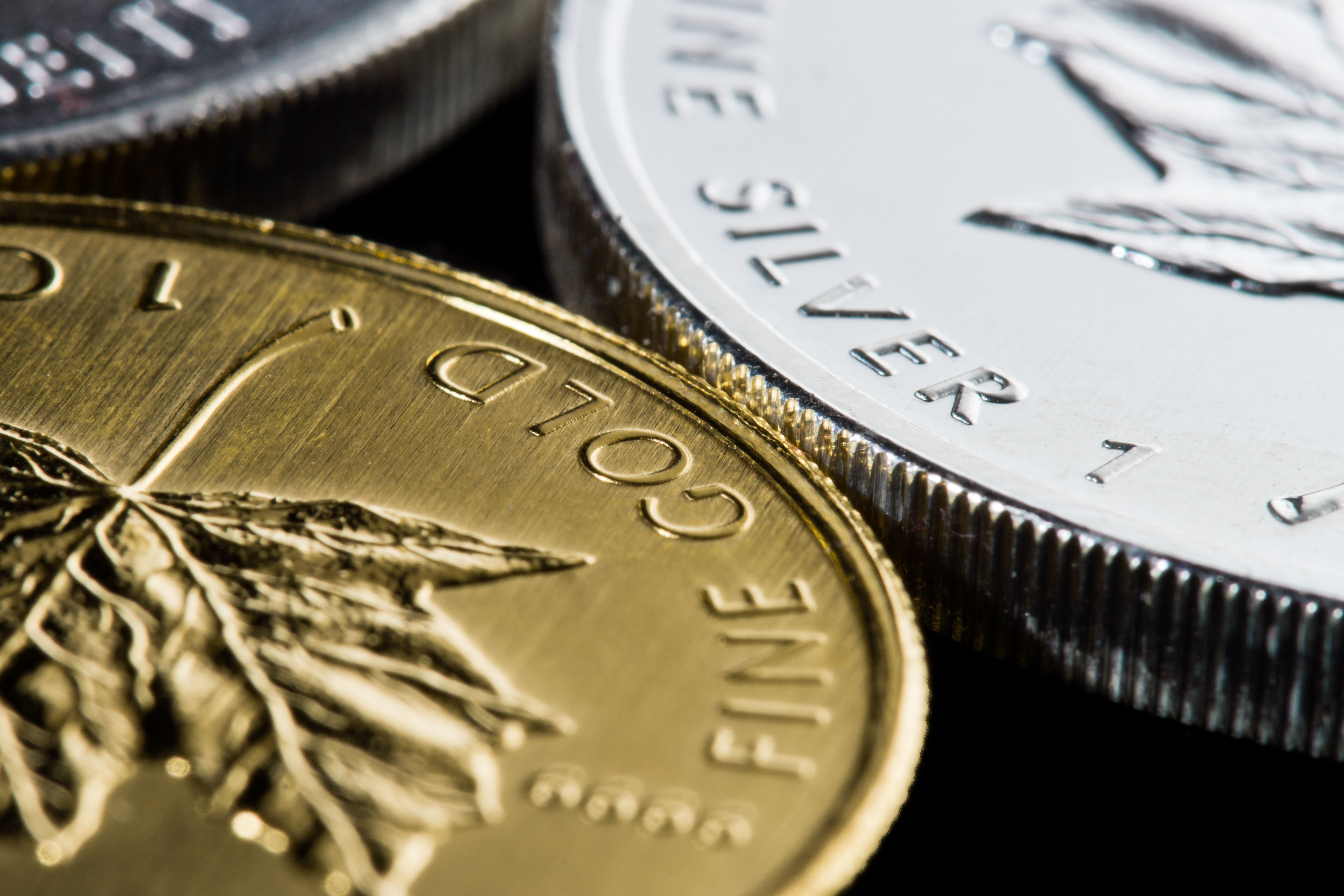
Deciding which metals to invest in will depend on your individual goals and risk tolerance. A well-balanced approach might involve a combination of these metals to capitalize on their unique strengths.
Methods of Investing in Precious Metals
There are several ways to incorporate precious metals into your retirement plan. Each method offers different levels of risk and involvement:
- Physical Bullion: Buying coins or bars gives you direct ownership of the metal, offering a tangible sense of security.
- Exchange-Traded Funds (ETFs): These funds allow you to invest in metals without the need for physical storage.
- Mining Stocks: Investing in companies that extract metals can offer higher returns, but also more risk.
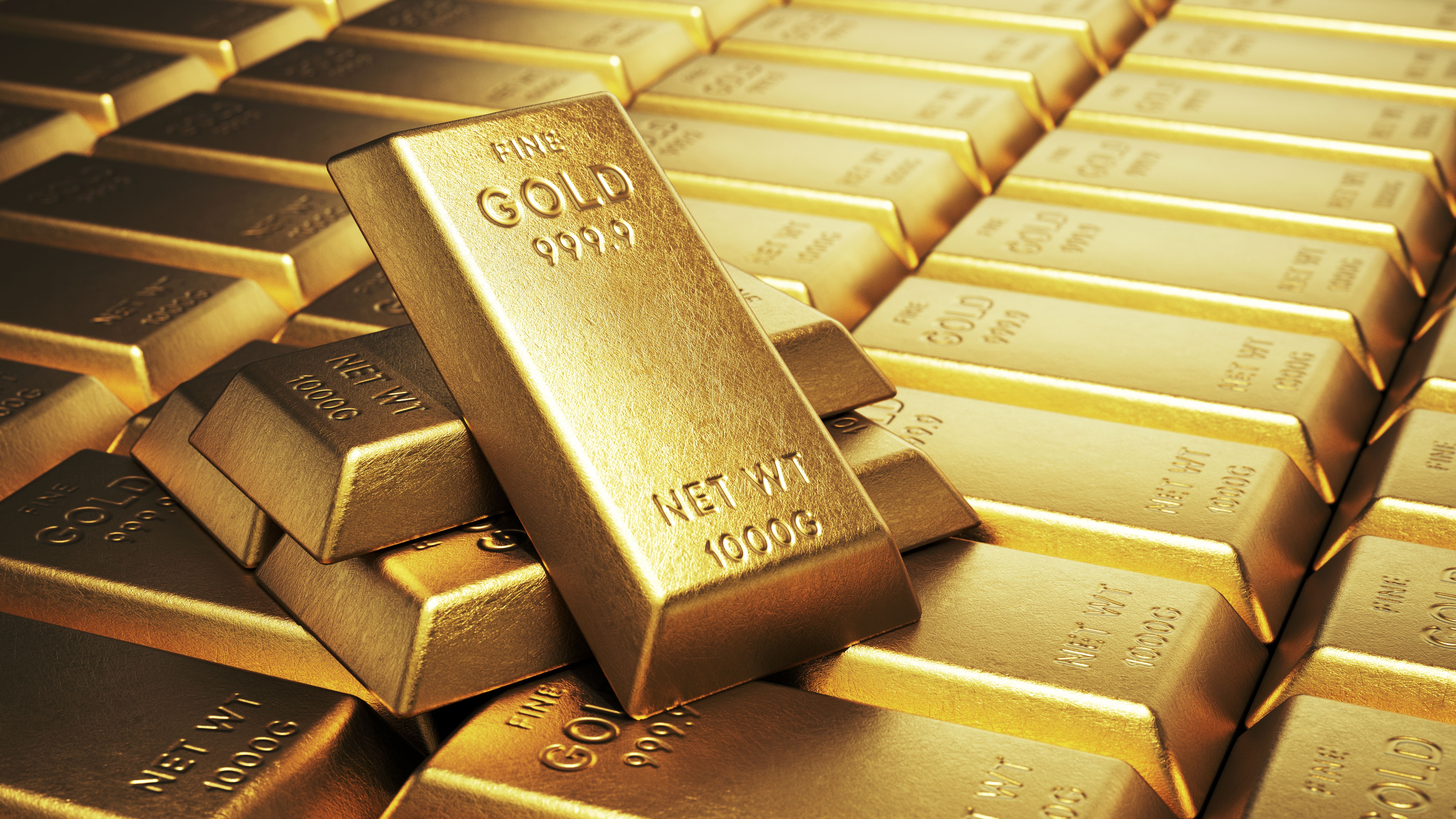
Choosing the right method will depend on your investment style and the level of involvement you're comfortable with. Physical bullion might appeal to those who prefer direct ownership, while ETFs can be ideal for those who want a more hands-off approach.
Risks and Considerations
While precious metals offer many benefits, it's crucial to consider potential risks. Market fluctuations can impact the value of metals, and geopolitical events can lead to price volatility. Additionally, physical storage of metals involves security concerns and potential costs.
Before making any investment, it's advisable to consult with a financial advisor. They can help you assess how precious metals fit into your overall retirement strategy and ensure that your investments align with your financial goals.
Creating a Balanced Retirement Portfolio
Incorporating precious metals into your early retirement plan should be part of a balanced approach. Diversification is key to managing risk and ensuring long-term success. By combining metals with other asset classes, such as equities and bonds, you can create a resilient portfolio that withstands market fluctuations.
Ultimately, the goal is to achieve financial independence and security. By including precious metals in your retirement plan, you can add an extra layer of protection and stability, helping you enjoy your retirement years with peace of mind.