How to Spot Fake Gold: 7 Simple Tests Anyone Can Do


Gold has been treasured for centuries, but with its value comes the risk of counterfeit pieces. Whether you're buying jewelry or investing in gold bars, knowing how to spot fake gold is essential. Here are seven simple tests that anyone can perform at home.
Visual Inspection
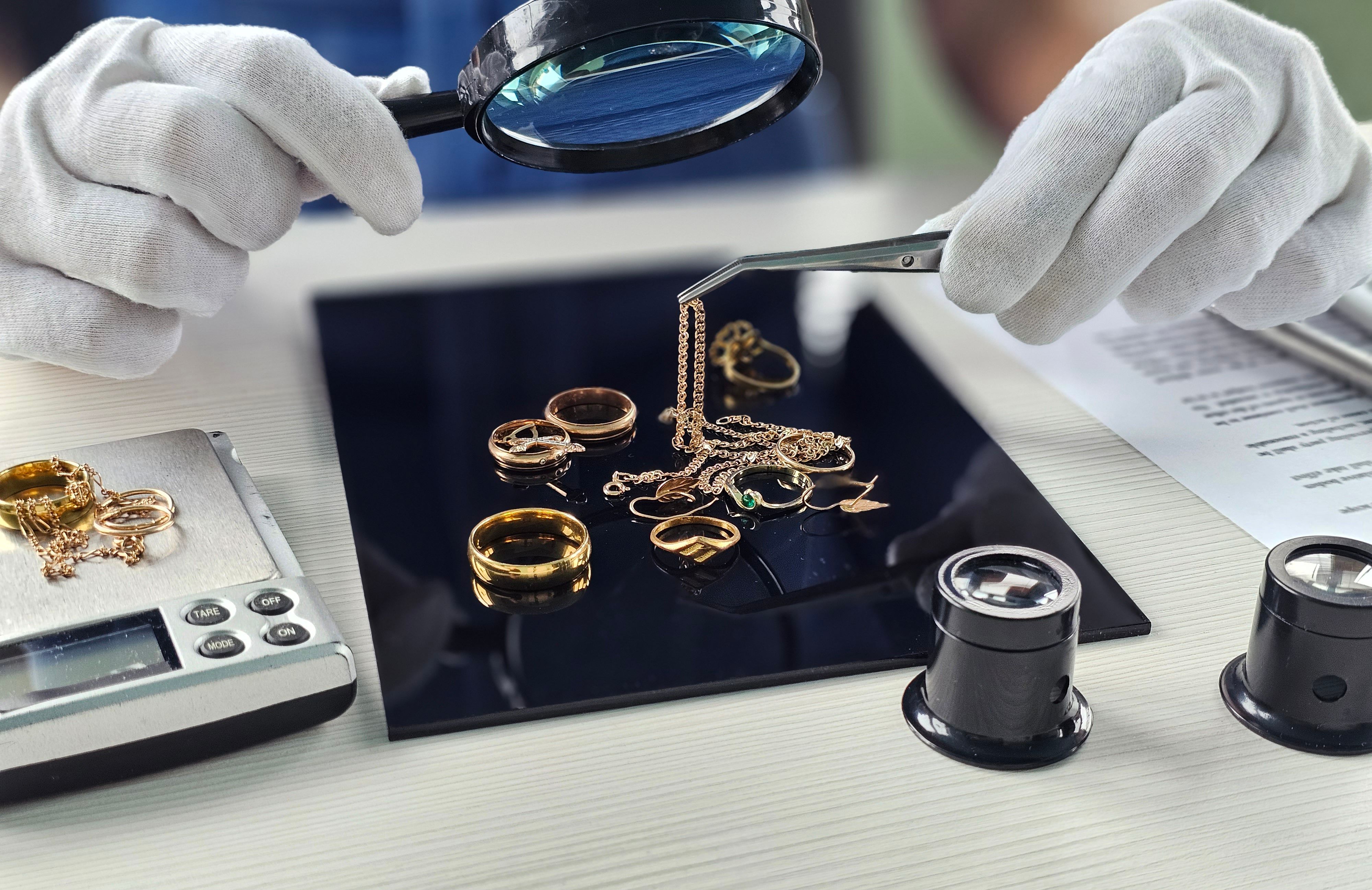
The first step is a thorough visual inspection. Look for official markings or stamps that indicate the purity of the gold, such as "24K" or "18K." Counterfeit items often lack these marks or have poorly imprinted ones.
Check for Discoloration
Inspect the piece for discoloration, especially in areas prone to wear and tear. Fake gold often shows signs of wear that reveal a different metal underneath.
Magnet Test
Gold is not magnetic, so using a simple magnet test can help you identify fakes. Hold a strong magnet near the gold item. If it sticks or moves towards the magnet, it's likely not real gold.

Density Test
Real gold has a high density. You can conduct a density test by measuring the piece's volume through water displacement and calculating its density. Compare it to the standard density for gold to see if it matches.
Calculate Density
To perform this, fill a graduated cylinder with water and note the level. Submerge the gold and record the new level. The difference gives you the gold's volume. Weigh the gold and divide its mass by its volume to find the density.

Scratch Test
The scratch test involves gently scratching the gold against a piece of unglazed ceramic. If it leaves a gold streak, it's genuine. A black streak may indicate another metal.
Consider Professional Testing
While these tests can be done at home, consulting a professional jeweler for a more accurate assessment is always a wise choice. They have tools and expertise to provide a definitive answer.
Conclusion
Spotting fake gold is a valuable skill, especially for buyers and collectors. By performing these simple tests, you can protect yourself from counterfeit items and ensure your investments are genuine.