How Gold Performs in High Interest Rate Environments


Understanding Gold's Historical Role
Gold has long been considered a safe haven asset, often sought after during times of economic uncertainty. Its allure lies in its intrinsic value, which is not directly tied to any country's economic policies or currency. Investors frequently turn to gold as a hedge against inflation and currency devaluation, making it a popular choice during high interest rate environments.
The Relationship Between Interest Rates and Gold
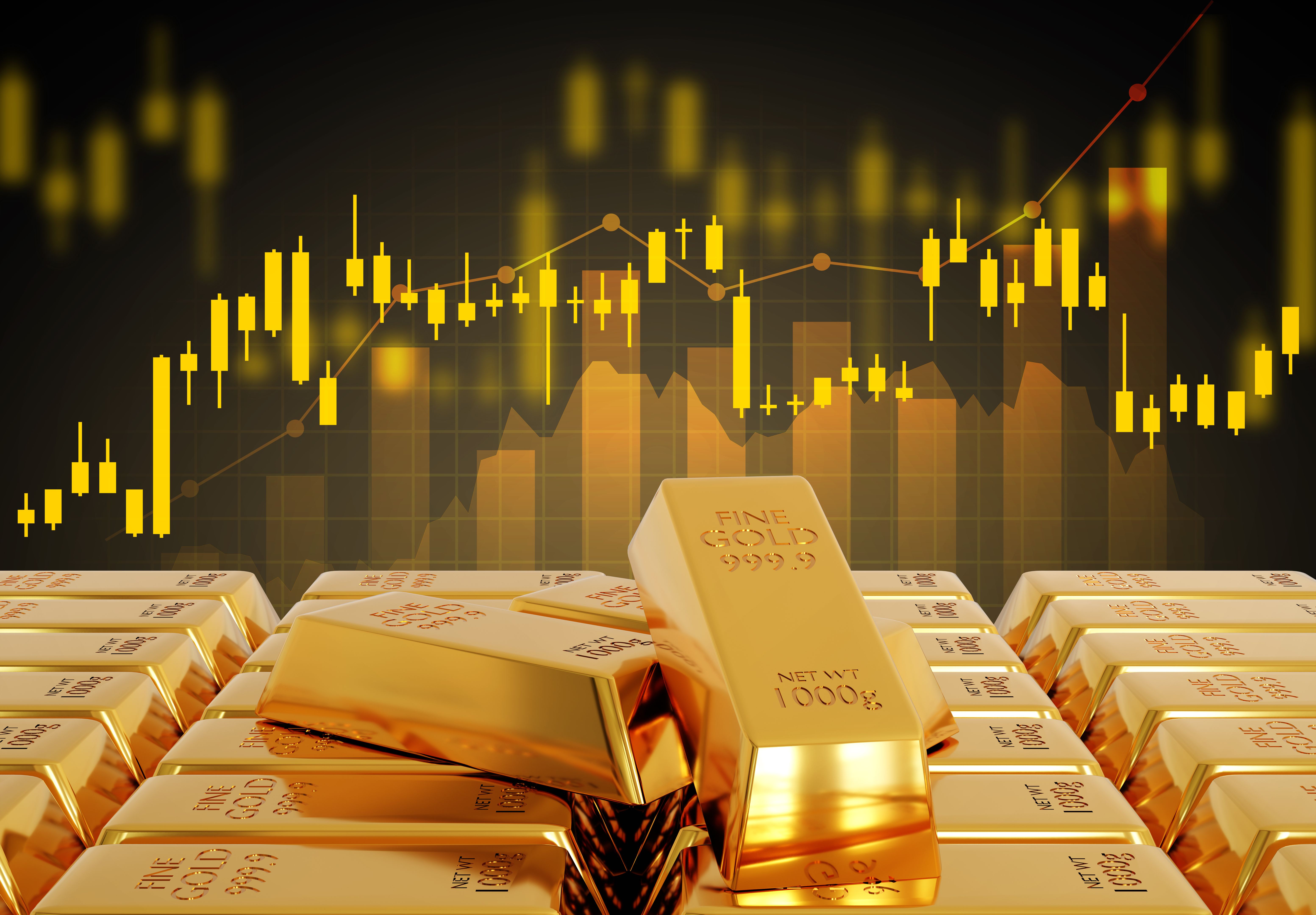
Interest rates and gold prices traditionally have an inverse relationship. When interest rates rise, the opportunity cost of holding non-yielding assets like gold increases. This often leads to a dip in gold prices as investors shift towards interest-bearing assets. However, the dynamics are more complex, and other factors can also influence this relationship.
In some scenarios, high interest rates can coincide with high inflation, which may drive investors back to gold as a hedge. The overall economic context and market sentiment play significant roles in determining gold's performance during these times.
Gold's Behavior in Recent High Interest Rate Periods
Examining gold's performance during recent periods of high interest rates provides valuable insights. In the late 1970s and early 1980s, for example, both inflation and interest rates were high. During this time, gold prices surged due to geopolitical tensions and economic uncertainty.

More recently, the global financial crisis saw central banks cutting interest rates to near zero, but as rates began to rise gradually post-crisis, gold experienced periods of volatility. While short-term fluctuations occurred, the long-term trend remained resilient, showcasing gold’s enduring appeal.
Factors Influencing Gold's Performance
Several factors influence how gold performs in high interest rate environments. Key among these are:
- Inflation: High inflation can counteract the negative impact of rising interest rates on gold.
- Currency Strength: A strong US dollar can make gold more expensive for foreign buyers, potentially depressing demand.
- Geopolitical Tensions: Crises can drive investors towards gold, offsetting the effects of higher interest rates.
Gold as Part of a Diversified Portfolio
Despite the challenges posed by high interest rates, gold remains a valuable component of a diversified investment portfolio. It acts as a hedge against both inflation and currency risk, providing a level of stability in uncertain times.

Investors often allocate a portion of their portfolio to gold to mitigate risk and enhance returns over the long term. This strategy can be particularly effective when navigating volatile economic conditions.
Conclusion: The Timeless Appeal of Gold
Gold's performance in high interest rate environments is influenced by a complex interplay of factors, including inflation, currency strength, and geopolitical events. While rising rates may present challenges, gold's status as a safe haven asset ensures its continued relevance.
By understanding these dynamics and incorporating gold into a well-rounded investment strategy, investors can better navigate the uncertainties of high interest rate periods and capitalize on gold's enduring value.