How Global Events and Policy Shifts Impact Gold and Silver Prices


Understanding the Impact of Global Events on Precious Metals
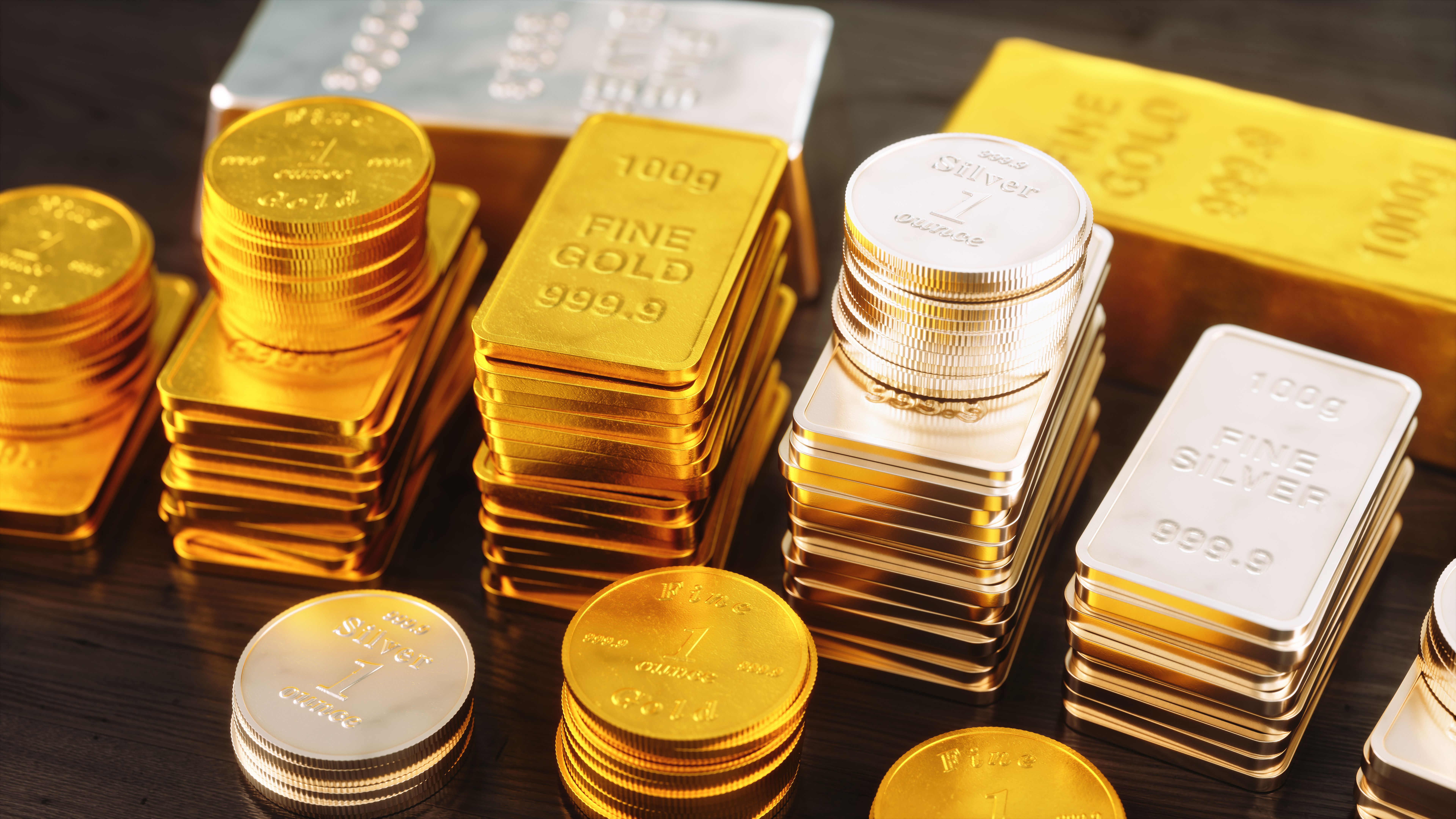
The prices of gold and silver are intricately linked to global events and policy shifts. These precious metals have long been considered safe havens during times of uncertainty. Understanding how these factors impact their prices can offer valuable insights for investors and enthusiasts alike.
Global events such as geopolitical tensions, economic crises, and natural disasters can cause significant fluctuations in the prices of gold and silver. During periods of uncertainty, investors tend to move their assets to these metals as a way to preserve wealth. This flight to safety often drives up demand and, consequently, prices.
The Influence of Economic Policies
Economic policies, particularly those related to monetary policy, play a crucial role in determining the value of gold and silver. For instance, interest rate changes by central banks can directly impact these metals. When interest rates are low, the opportunity cost of holding non-yielding assets like gold and silver decreases, making them more attractive.
Moreover, policies that affect currency strength can also sway precious metal prices. A weak currency often leads to higher gold and silver prices as these metals become cheaper for foreign investors, increasing demand.

Geopolitical Tensions and Their Effects
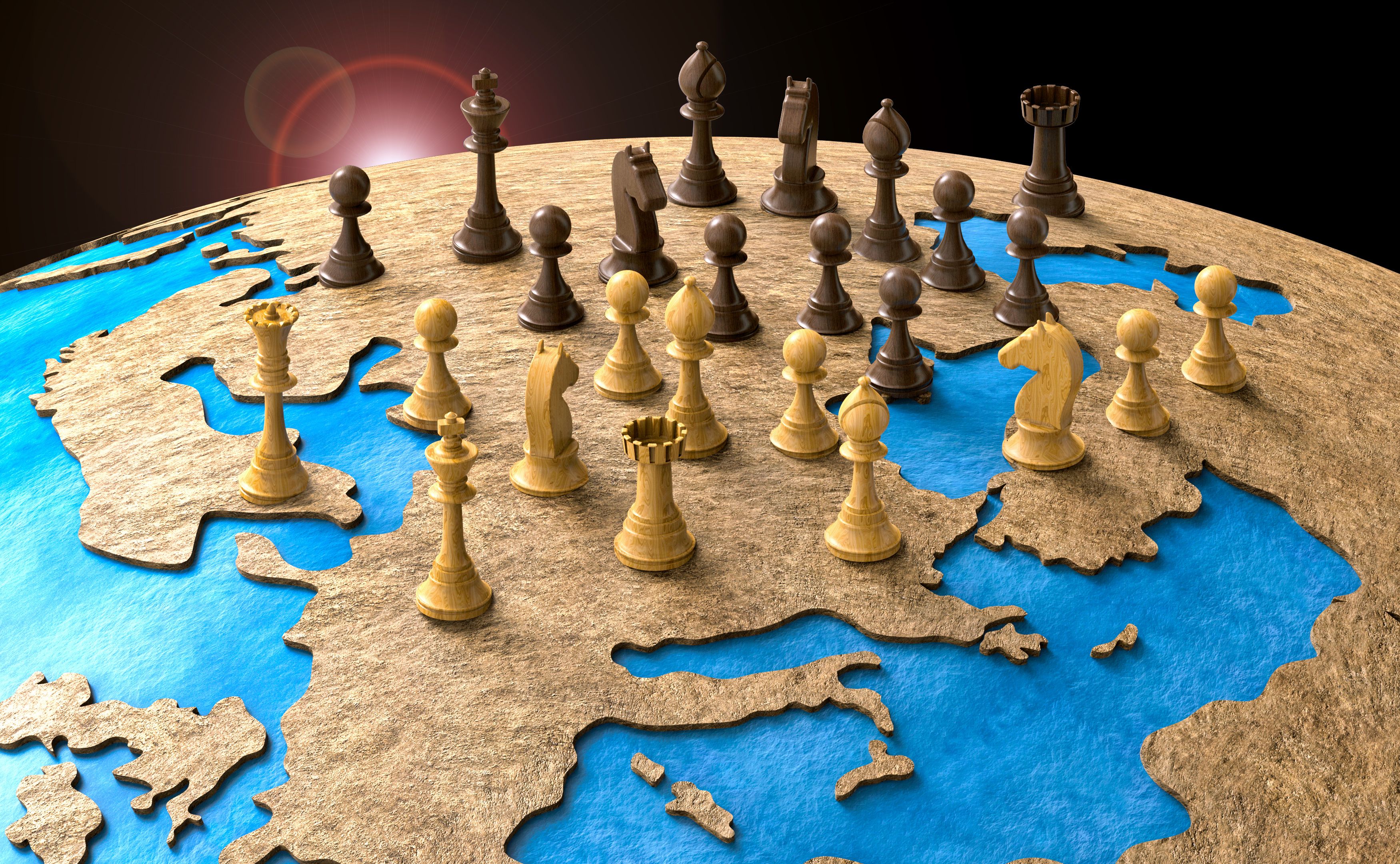
Geopolitical tensions are another significant factor influencing gold and silver prices. Conflicts, trade wars, and political instability can lead to economic uncertainty, prompting investors to seek refuge in these metals. Historically, during times of war or diplomatic strife, gold and silver have appreciated in value.
For example, tensions in the Middle East or between major world powers can trigger market volatility, leading to a surge in precious metal prices as investors look for stability.
The Role of Supply and Demand
While global events and policies are critical, the basic principles of supply and demand also govern gold and silver prices. Mining production, technological advancements in extraction, and recycling rates all affect supply. On the demand side, factors like jewelry production, industrial use, and investment drive the market.
Seasonal trends and cultural factors, such as weddings in India and festivals in China, can also lead to temporary spikes in demand, influencing prices.
Conclusion: Monitoring Trends for Better Investment Decisions
Understanding how global events and policy shifts impact gold and silver prices is essential for making informed investment decisions. By keeping an eye on geopolitical developments, economic policies, and supply-demand dynamics, investors can better anticipate market movements.
In a world of uncertainty, gold and silver remain steadfast assets, offering both security and opportunity. As global events continue to evolve, staying informed will be key to navigating the ever-changing landscape of precious metals.