Gold’s Performance During Major Recessions Since 1900


Gold's Historical Role as a Safe Haven
Throughout history, gold has been considered a reliable store of value, especially during times of economic uncertainty. Its role as a safe haven asset makes it a popular choice for investors looking to protect their wealth during major recessions. This blog post explores how gold has performed during significant recessions since 1900.
The Great Depression (1929-1939)
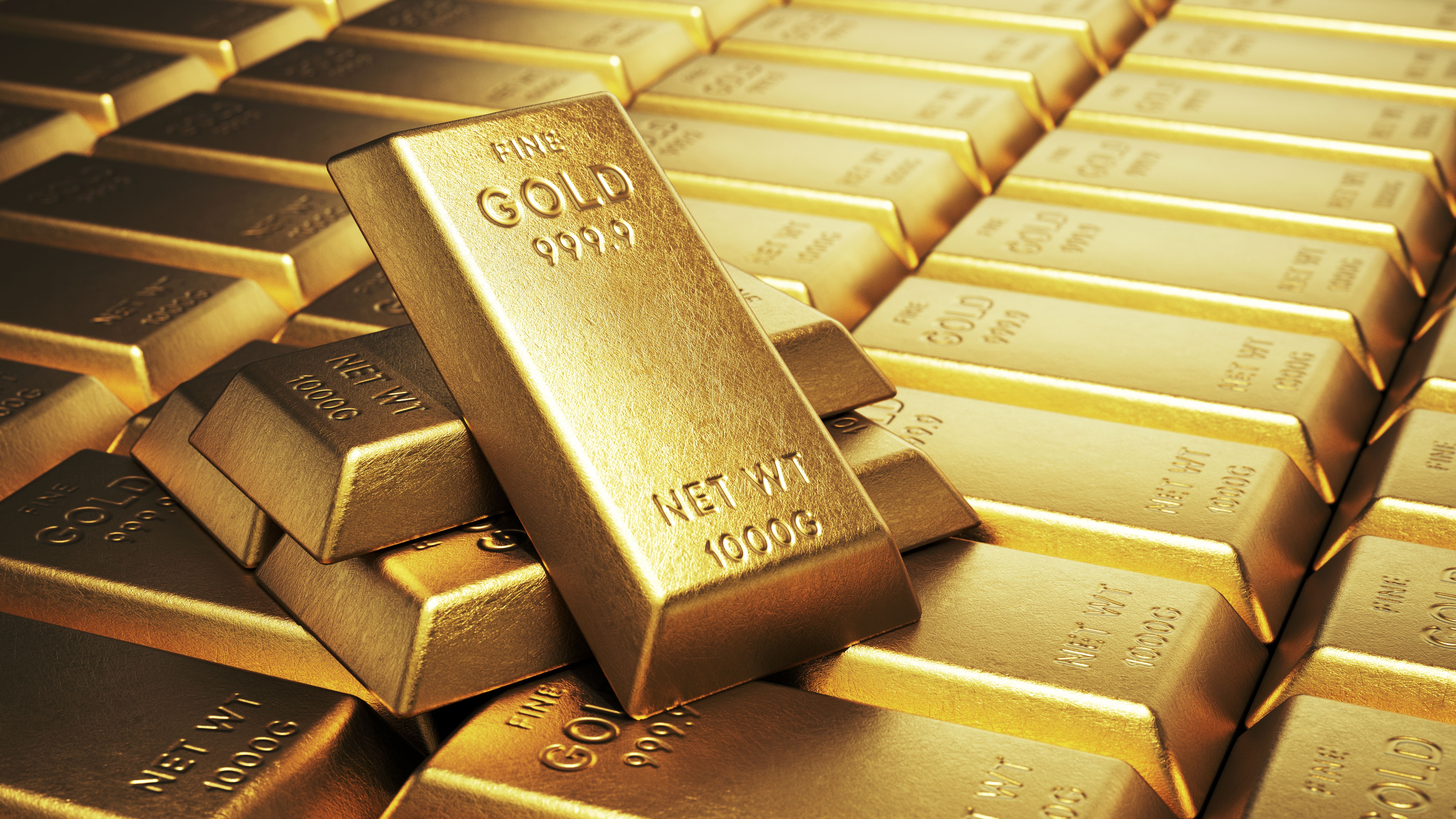
The Great Depression was one of the most severe economic downturns in modern history. During this period, gold's performance was influenced by the gold standard, which most countries adhered to at the time. As banks collapsed and economies shrank, governments were forced to abandon the gold standard, leading to a dramatic increase in gold prices. Investors flocked to gold, viewing it as a secure asset amidst widespread financial instability.
Post-World War II Recession (1945-1949)
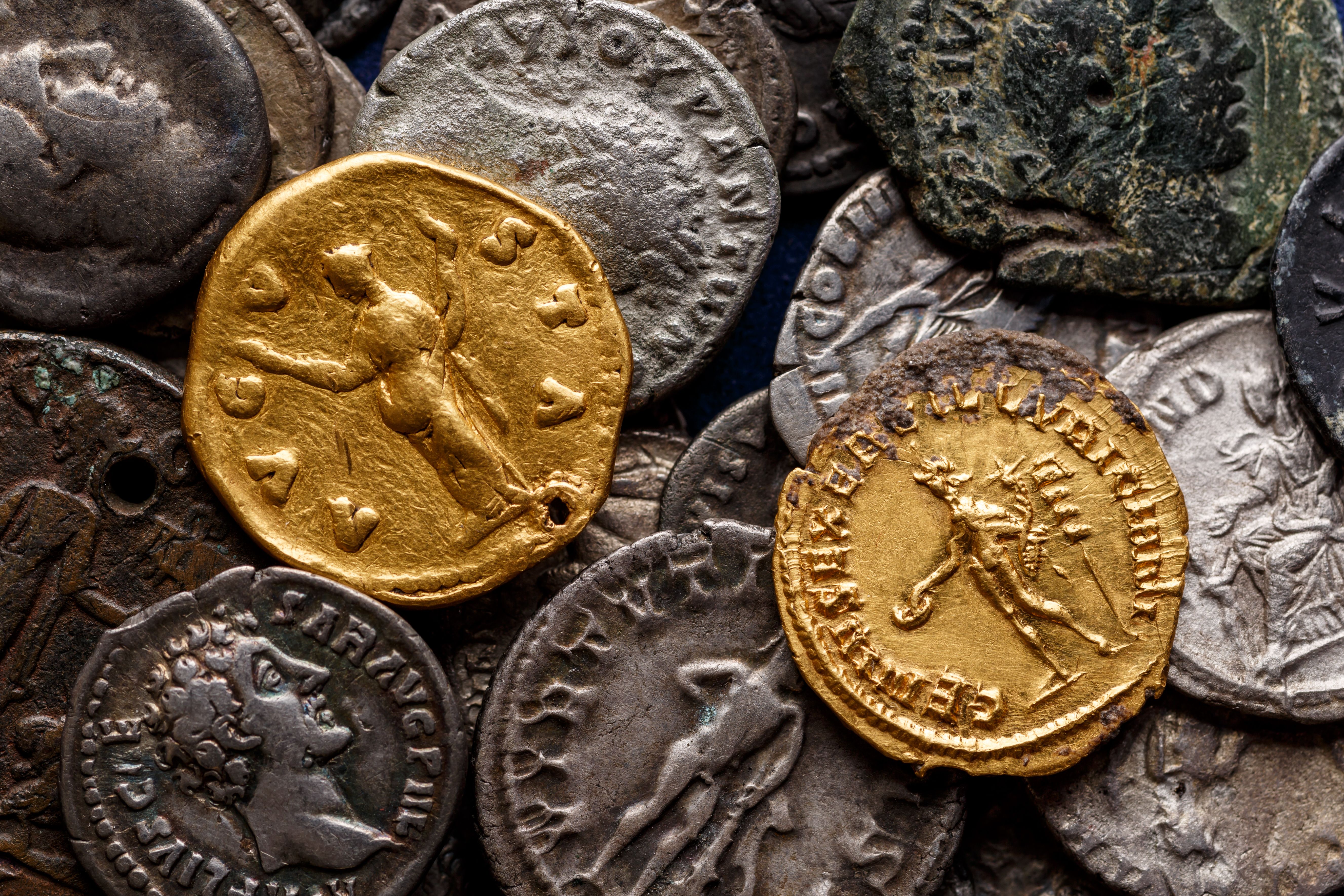
Following World War II, the global economy faced a period of adjustment. During this recession, gold continued to hold its value. The Bretton Woods Agreement, established in 1944, pegged major currencies to the U.S. dollar, which was convertible to gold. This system ensured that gold remained a cornerstone of economic stability, reinforcing its reputation as a reliable asset.
The Oil Crisis Recession (1973-1975)
The oil crisis of the early 1970s led to a significant economic downturn. As inflation soared and stock markets faltered, gold prices surged. This period marked the end of the Bretton Woods system, allowing gold prices to float freely. Investors turned to gold as a hedge against inflation, driving its value upward.
Early 1980s Recession (1980-1982)
The early 1980s recession was characterized by high inflation and interest rates. Gold's performance during this time was robust, as it reached record highs. Investors sought refuge in gold to protect against the eroding purchasing power of currencies. This further cemented its status as a trusted investment during economic turmoil.
The Global Financial Crisis (2007-2009)
The global financial crisis of 2007-2009 was marked by the collapse of major financial institutions and a severe economic downturn. Gold once again proved its worth as a safe haven, with prices reaching new heights. The increased demand for gold was driven by uncertainty in the financial markets and fears of further economic decline.
Conclusion: Lessons from History
Throughout the 20th and 21st centuries, gold has consistently demonstrated its value as a safe haven during major recessions. Its ability to retain and even increase in value during economic downturns highlights its importance in a diversified investment portfolio. Investors looking for stability during uncertain times often turn to gold, relying on its historical performance as a buffer against financial instability. Understanding the past performance of gold can provide valuable insights for future investment strategies.