Exploring the Growing Interest in Precious Metals for Diversification


Understanding the Appeal of Precious Metals
In recent years, there has been a noticeable increase in the interest in precious metals as a means of diversification. Investors are continually seeking ways to safeguard their portfolios against volatility, and precious metals offer a unique proposition. Gold, silver, platinum, and palladium have long been valued for their intrinsic worth and scarcity.
One of the primary reasons people turn to precious metals is their ability to act as a hedge against inflation. Unlike paper currencies, metals such as gold and silver maintain their value over time, making them a reliable store of wealth. This characteristic is particularly appealing during periods of economic uncertainty and currency devaluation.

Historical Context and Modern Trends
Historically, precious metals have been a cornerstone of wealth preservation. Civilizations throughout history have relied on these metals for trade and as a symbol of wealth. Today, this historical significance continues to influence their modern-day appeal. Many see investing in these metals as a way to connect with a storied tradition of financial security.
In the contemporary market, there is a growing trend of investors diversifying their portfolios with these tangible assets. This is not only limited to individual investors but also includes institutional investors recognizing the benefits of having a portion of their assets in precious metals. The recent market fluctuations have further fueled this interest.
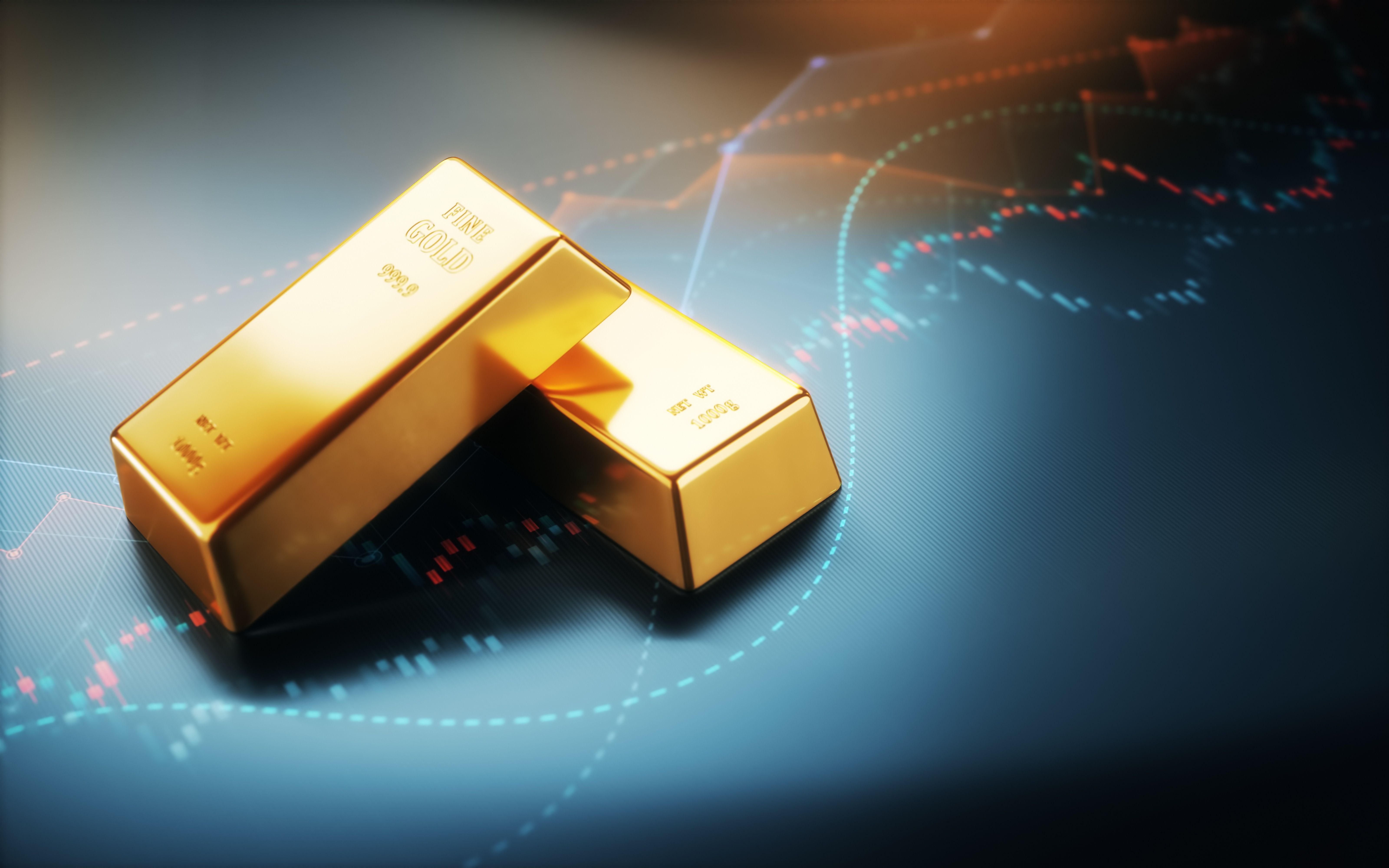
Benefits of Diversifying with Precious Metals
When it comes to diversification, precious metals offer several advantages. They have a low correlation with other asset classes, such as stocks and bonds, which means they often perform well when traditional markets are underperforming. This characteristic makes them an excellent tool for risk management.
Additionally, precious metals are highly liquid assets. This liquidity allows investors to easily buy and sell them as needed, providing flexibility within an investment strategy. Furthermore, their global demand ensures that they remain a viable option in any economic climate.

Challenges and Considerations
While investing in precious metals offers numerous benefits, there are also challenges to consider. The market for these metals can be volatile and influenced by a variety of factors, including geopolitical tensions and changes in industrial demand. It's essential for investors to stay informed and consider their risk tolerance when investing.
Another consideration is storage and security. Physical metals require safe storage solutions, which can incur additional costs. However, options such as ETFs and mutual funds offer exposure to precious metals without the need for physical storage, providing a convenient alternative.
Conclusion: A Strategic Approach to Diversification
As the interest in precious metals continues to grow, they remain a compelling option for those looking to diversify their portfolios. With their historical significance and modern-day benefits, they offer a unique blend of security and potential growth.
For investors seeking a balanced approach to diversification, incorporating precious metals can provide stability and peace of mind. As always, it's crucial to conduct thorough research and consider personal financial goals before making investment decisions.